

In the world of natural wellness, few ingredients ignite as much passion as mānuka. The question is everywhere in 2026: which is truly the best—mānuka extract, mānuka oil, or mānuka honey?
This article dives into the heart of the mānuka extract vs mānuka oil vs mānuka honey debate, sorting fact from fiction. We’ll explore the science, traditional uses, and latest research, so you can choose with confidence.
Ready to discover which mānuka solution is right for your health journey? Let’s break it down and find your perfect match.
Understanding the Mānuka Family: Extract, Oil, and Honey Explained
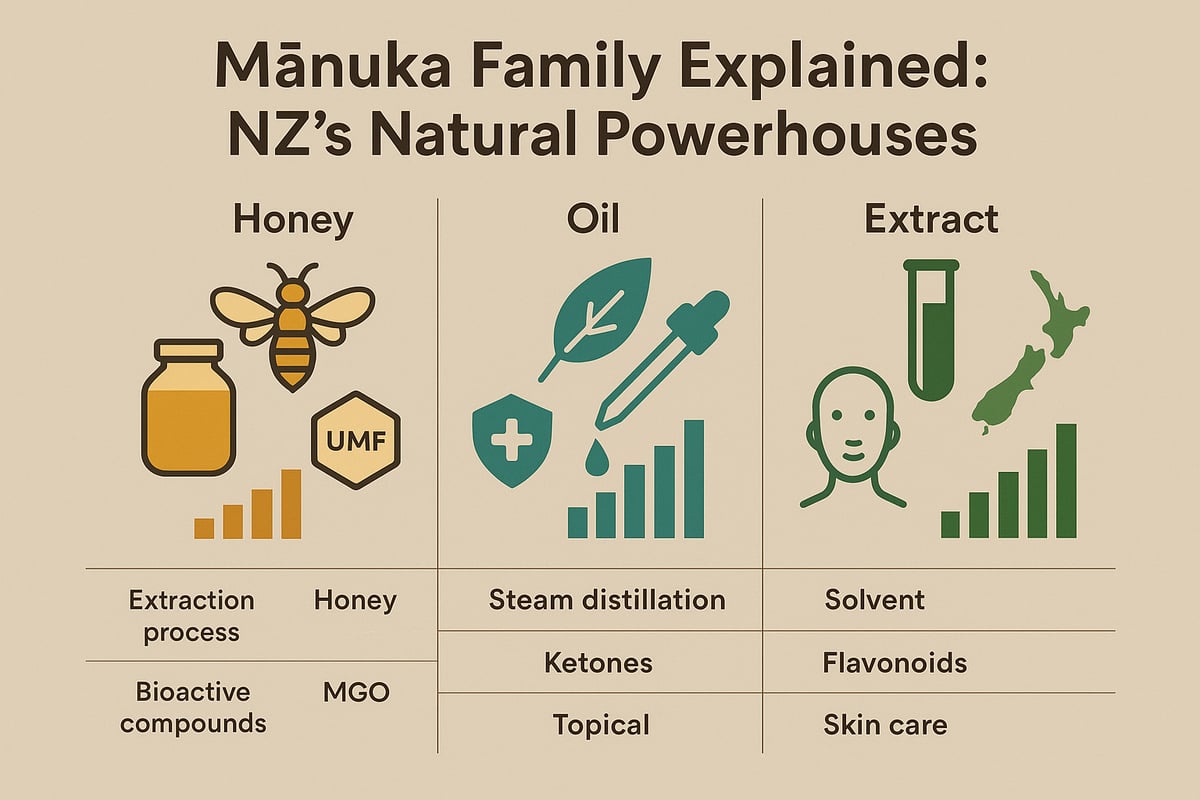
Curious about the mānuka family and what sets each product apart? Let’s break down the essentials of mānuka honey, oil, and extract, so you can make sense of the mānuka extract vs mānuka oil vs mānuka honey debate.
What is Mānuka Honey?
Mānuka honey is produced by bees that gather nectar from the mānuka bush (Leptospermum scoparium), a plant native to New Zealand. This honey stands out for its naturally high content of methylglyoxal (MGO), a compound linked to its potent antibacterial action.
For generations, mānuka honey has been valued for supporting immunity and aiding wound healing. Its quality is measured by the UMF™ (Unique Mānuka Factor) rating, which tells you how powerful its bioactive compounds are.
If you want to dive deeper into the origins and properties of mānuka, check out this What is Mānuka? article for more.
What is Mānuka Oil?
Mānuka oil is an essential oil extracted through steam distillation from the leaves and branches of the mānuka bush. This oil is rich in β triketones, making it a natural powerhouse for antimicrobial and anti-inflammatory support.
It’s commonly used in aromatherapy, skincare routines, and as a gentle antiseptic for cuts and blemishes. A 2019 study even showed mānuka oil’s effectiveness against Staphylococcus aureus, highlighting its edge in the mānuka extract vs mānuka oil vs mānuka honey conversation.
What is Mānuka Extract?
Mānuka extract is a full spectrum concentrate derived directly from the mānuka plant using advanced extraction methods, such as Waipu Extracts’ proprietary process. Unlike honey or oil, this extract preserves a broader range of the plant’s natural bioactive compounds.
People often choose mānuka extract for targeted skin concerns, including eczema, acne, and barrier repair. Customer stories from New Zealand highlight visible skin restoration, making it a standout in the mānuka extract vs mānuka oil vs mānuka honey comparison.
Key Differences and Overlaps
Let’s compare these three forms side by side to clarify the mānuka extract vs mānuka oil vs mānuka honey debate:
| Product | Extraction Method | Key Compounds | Main Uses |
|---|---|---|---|
| Honey | Bees/nectar | MGO, UMF | Edible, wound care |
| Oil | Steam distillation | β Triketones | Topical, aromatherapy |
| Extract | Solvent/CO2 process | Full spectrum actives | Targeted skin health |
Extraction varies from natural bee activity for honey, to steam for oil, to sophisticated technology for extract. Each brings a unique profile, but all share roots in the same remarkable plant.
Geographic and Cultural Roots
All three mānuka products come from the resilient mānuka bush, thriving in New Zealand’s wild landscapes. Māori have long used mānuka for wellness and healing, weaving it into traditional remedies. Today, global demand for mānuka products is rising, but New Zealand remains at the heart of this natural legacy, setting the gold standard for quality and authenticity.
The Science Behind Mānuka: Bioactive Compounds and Health Benefits
Curious about why mānuka products stand out in natural wellness? The answer lies in their unique chemistry. In this section, we unpack the science behind mānuka honey, oil, and extract, making it easy to understand what sets each apart.
Mānuka Honey: MGO, UMF, and Antibacterial Power
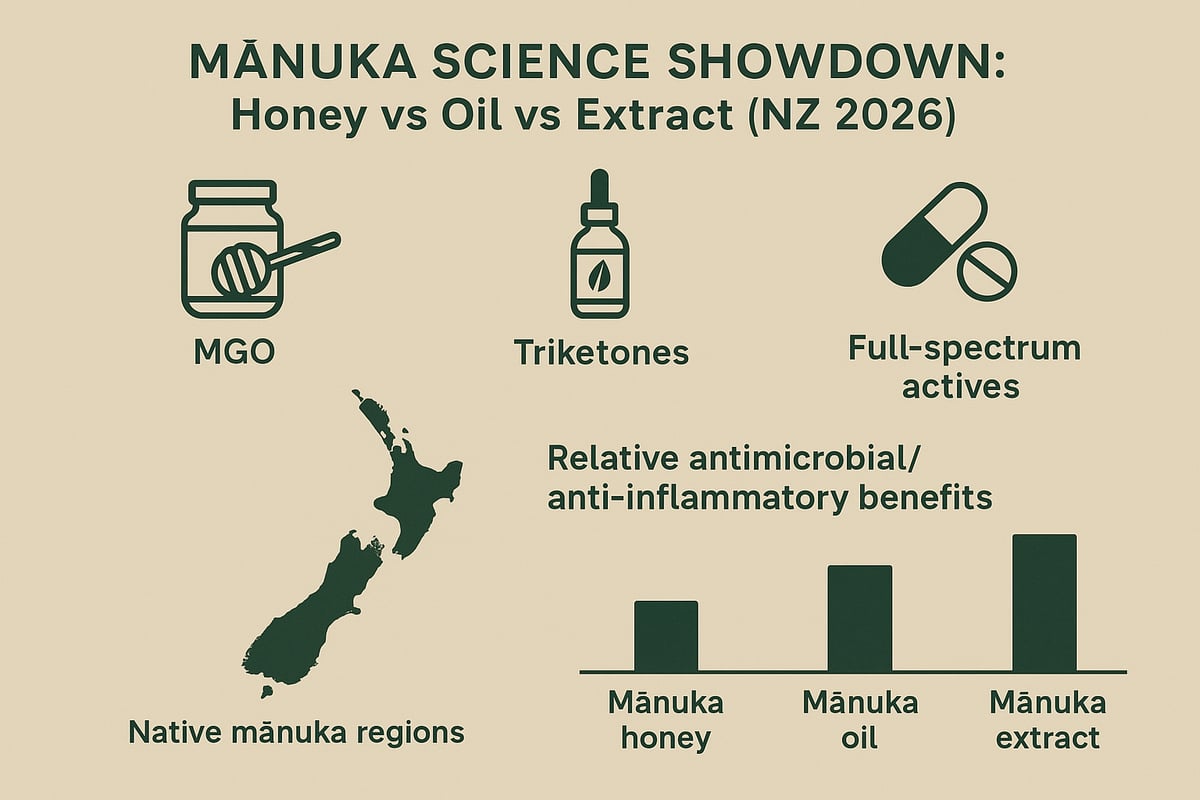
Mānuka honey is famous for its high levels of methylglyoxal (MGO), the compound responsible for its strong antibacterial punch. The Unique Mānuka Factor (UMF) rating system helps you spot the real deal, ensuring you get honey with powerful activity.
Clinical research shows mānuka honey can speed up wound healing and provide relief for sore throats. A 2022 meta-analysis found it effective at controlling infections, making it a go-to for immune support and topical care. When comparing mānuka extract vs mānuka oil vs mānuka honey for ingestible benefits, honey is the clear winner for internal wellness.
Mānuka Oil: Triketones, Antimicrobial & Anti-inflammatory Effects
Mānuka oil is packed with rare β-triketones like leptospermone, flavesone, and isoleptospermone. These compounds have been proven to fight bacteria, fungi, and inflammation, giving the oil a reputation as a potent natural antiseptic.
Recent research shows mānuka oil can outperform tea tree oil against certain skin infections. For a deep dive into the science, check out Mānuka Oil's Antimicrobial Properties. This oil is a favourite for spot-treating blemishes, fungal issues, and boosting skin recovery.
Mānuka Extract: Full-Spectrum Synergy for Skin Health
Mānuka extract, like that produced by Waipu Extracts in New Zealand, uses advanced extraction to retain the full spectrum of mānuka’s natural actives. This means you get both triketones and other beneficial compounds working together for maximum effect.
When it comes to mānuka extract vs mānuka oil vs mānuka honey for chronic skin issues, extract stands out. It’s especially helpful for eczema, acne, and restoring the skin’s barrier. Customers often report visible improvements in just 2 to 4 weeks, with gentleness even for sensitive skin.
Comparative Analysis: Which Delivers More Potency?
Let’s break it down:
| Product | Best Use | Key Compounds |
|---|---|---|
| Honey | Ingestible immune support | MGO |
| Oil | Topical antimicrobial | β-triketones |
| Extract | Comprehensive skin solution | Full-spectrum actives |
In the mānuka extract vs mānuka oil vs mānuka honey debate, each product shines in its own way. Lab studies show honey is great for immune health, oil is best for targeted antimicrobial action, and extract offers broad-spectrum benefits for persistent skin conditions.
Safety and Allergen Considerations
Safety is essential. With honey, avoid use in infants under 12 months. Mānuka oil is powerful, so always patch test before applying to larger areas, especially if you have sensitive skin. Mānuka extract, especially formulations from Waipu Extracts, is designed to be gentle and suitable for all ages, including children and those with sensitive skin.
Waipu Extracts: Pioneering Full-Spectrum Mānuka Extract
Waipu Extracts uses a unique process to capture all of mānuka’s therapeutic compounds, producing skincare solutions that are crafted in New Zealand. Their products are trusted for eczema, sensitive skin, and visible skin restoration. Customers share impressive before-and-after results, and every order comes with free NZ shipping and a satisfaction guarantee.
Traditional and Modern Uses: From Māori Remedies to Global Wellness
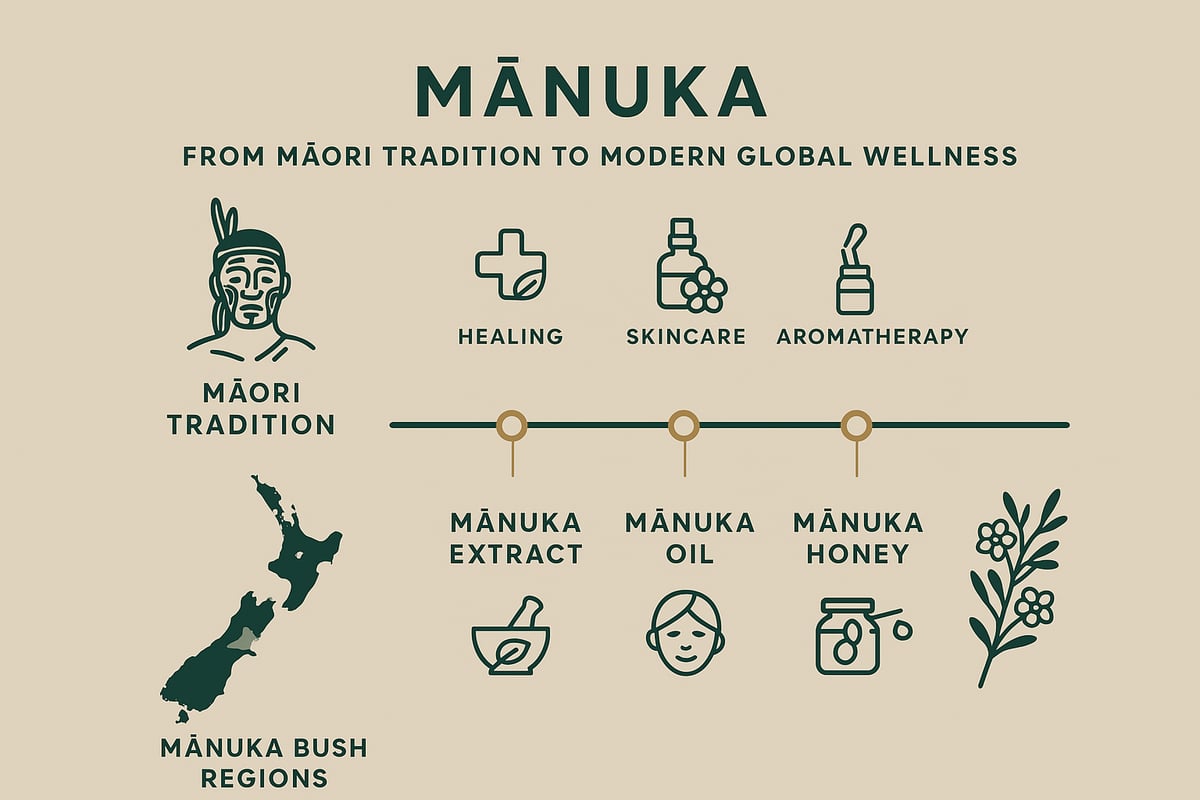
The story of mānuka in New Zealand is rich, stretching from ancient Māori traditions to today’s global wellness movement. Whether you’re interested in natural healing or cutting-edge skincare, understanding mānuka extract vs mānuka oil vs mānuka honey gives you a deeper appreciation for this remarkable botanical.
Māori Healing Traditions and Early Uses
For centuries, Māori communities have harnessed the healing potential of mānuka. Leaves and bark were used to soothe wounds, ease digestive discomfort, and calm skin irritations. Honey from the mānuka flower was prized for its soothing and protective qualities.
Infusions, steam baths, and poultices made with mānuka played a central role in rongoā Māori (traditional medicine). The cultural significance of mānuka endures, with modern science now validating many of these ancient practices. If you’d like to explore more about these unique botanical traditions, the New Zealand Botanicals Guide offers a detailed look at their origins and uses, providing further context on mānuka extract vs mānuka oil vs mānuka honey.
Mānuka Honey in Modern Medicine
Today, mānuka honey is a staple in hospitals and clinics worldwide. Medical-grade honey is used in wound dressings and burns, valued for its powerful antibacterial properties.
Clinicians trust mānuka honey for infection control, especially in hard-to-heal wounds. Some honey-based products have even received FDA approval, reflecting the leap from traditional remedy to clinical standard.
Mānuka Oil: Aromatherapy and Topical Care
Mānuka oil has become a favourite in natural wellness routines. Its distinctive aroma and potent antimicrobial activity make it popular in massage, diffusers, and topical applications.
You’ll find mānuka oil in shampoos, creams, and first aid kits, where it helps manage dandruff, acne, fungal infections, and minor cuts. The demand for natural oils like mānuka continues to rise, as more people seek gentle, plant-based alternatives.
Mānuka Extract: Advanced Skincare Solutions
A new chapter in mānuka’s story is unfolding with advanced extracts. Using state-of-the-art extraction methods, our New Zealand mānuka extract preserves the plant’s full spectrum of bioactive compounds for maximum benefit.
Unlike single-compound products, our extracts are crafted for sensitive and problem skin, providing relief for eczema, dermatitis, and persistent redness. When comparing mānuka extract vs mānuka oil vs mānuka honey, extracts offer a gentle yet comprehensive option, designed for both children and adults seeking visible, lasting results.
Evolving Consumer Preferences (2026 Trends)
By 2026, consumers are shifting towards full-spectrum, minimally processed mānuka products. There is growing demand for sustainability, traceability, and products that respect New Zealand’s environment.
Recent data shows mānuka product sales up 18 percent year-on-year, with more shoppers choosing options that combine tradition, science, and ethical sourcing. As the mānuka extract vs mānuka oil vs mānuka honey conversation grows, expect even greater innovation, transparency, and respect for both people and planet.
Comparing Effectiveness: Which Mānuka Product Works Best for You?
Choosing between mānuka extract vs mānuka oil vs mānuka honey can feel overwhelming, especially when your health and skin are at stake. Each option shines in different ways, so let’s break down how they stack up for everyday needs.
Skin Health: Eczema, Acne, and Sensitive Skin
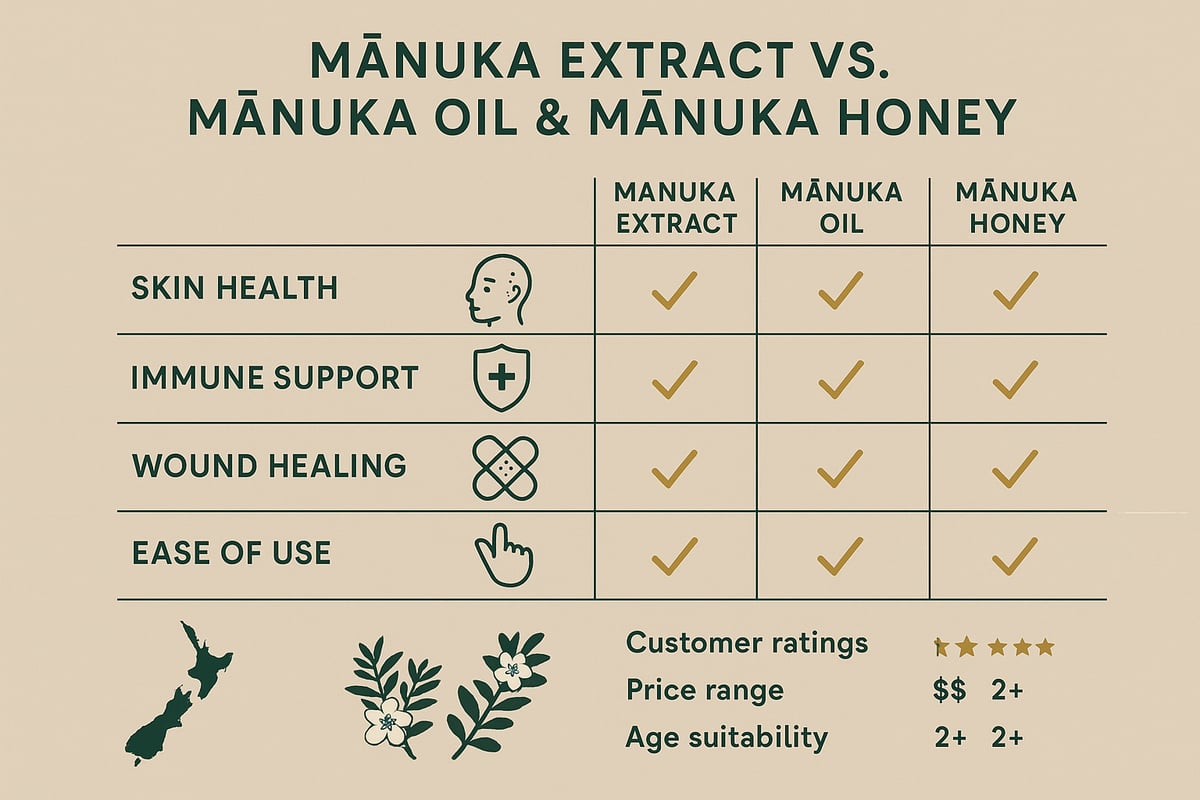
When it comes to soothing troubled skin, mānuka extract vs mānuka oil vs mānuka honey have very different strengths. Mānuka honey is naturally soothing and hydrating, but its sticky texture and broad action mean it’s not as targeted for chronic skin issues. Mānuka oil is a powerful antimicrobial, ideal for spot-treating breakouts, but it can irritate sensitive or eczema-prone skin.
Mānuka extract, like those from Waipu Extracts, is a game-changer for delicate skin. It combines the soothing, barrier-repairing, and antimicrobial benefits of the whole plant, creating gentle yet effective relief for conditions like eczema and acne. Many users report visible improvement within weeks, and Clearing Eczema with Mānuka offers real-life success stories.
| Product | Hydration | Antimicrobial | Targeted Relief | Suitable for Sensitive Skin |
|---|---|---|---|---|
| Mānuka Honey | High | Moderate | Low | Yes |
| Mānuka Oil | Low | High | Moderate | Sometimes |
| Mānuka Extract | High | High | High | Yes |
Immune Support and Internal Wellness
If you’re seeking a daily boost for your immune system, mānuka honey is the clear winner in the mānuka extract vs mānuka oil vs mānuka honey debate. Rich in MGO and antioxidants, honey supports gut health and soothes sore throats. Mānuka oil is not safe for ingestion, so it’s best kept for external use only. Mānuka extract is designed for topical application, though its anti-inflammatory benefits may support overall skin wellness.
Wound Healing and Antimicrobial Action
For wound care, all three products have impressive credentials. Mānuka honey accelerates healing and reduces infection risk, making it a staple in many first aid kits. Mānuka oil excels at tackling minor cuts, fungal infections, and insect bites due to its potent antimicrobial action. Mānuka extract is especially valuable for stubborn or chronic skin wounds, offering both barrier repair and targeted antimicrobial support. When comparing mānuka extract vs mānuka oil vs mānuka honey, each has a place, but extracts often offer broader, longer-term benefits for persistent skin issues.
Ease of Use, Versatility, and Consumer Experience
Let’s face it, practicality matters. Mānuka honey is versatile and edible, but can be messy when used on skin. Mānuka oil is concentrated and easy to apply, yet usually requires dilution and caution for sensitive users. Mānuka extract, such as Waipu Extracts’ balms, is ready-to-use, gentle enough for all ages, and praised for its smooth application and fast results. When considering mānuka extract vs mānuka oil vs mānuka honey, extracts consistently receive high marks for convenience and user satisfaction.
Cost, Availability, and Value
Prices vary widely in the mānuka extract vs mānuka oil vs mānuka honey market. Honey ranges from affordable to premium, depending on UMF or MGO ratings. Mānuka oil sits in the moderate price range and is widely available online and in health shops. Mānuka extract is typically a premium investment, reflecting its advanced extraction and potency. Waipu Extracts’ products, starting from $29 NZD, are valued by users with chronic skin conditions seeking lasting results over quick fixes.
Which mānuka solution fits your needs best? Consider your goals, sensitivities, and what matters most for your wellbeing.
Sustainability, Sourcing, and Ethical Considerations
Sustainability is at the heart of the mānuka extract vs mānuka oil vs mānuka honey conversation. Each product’s journey, from bush to bottle, shapes its environmental footprint, community impact, and your confidence as a consumer. Let’s explore how these factors stack up in New Zealand’s thriving mānuka industry.
Environmental Impact of Mānuka Harvesting
The environmental impact varies across mānuka extract vs mānuka oil vs mānuka honey. Honey production supports sustainable beekeeping but can encourage monoculture if not managed carefully. Oil and extract rely on wild or plantation-grown mānuka. Responsible harvesting ensures plant regrowth and biodiversity. For a closer look at how mānuka is cultivated for both honey and oil, see the Mānuka for Honey or Oil Production fact sheet.
- Honey: Relies on healthy bee populations and careful land management.
- Oil: Wild harvests need oversight to protect native bush.
- Extract: Modern methods minimise waste and maximise yield.
Supporting Local Communities in New Zealand
The mānuka industry brings tangible benefits to New Zealand’s rural communities. Local businesses, such as Waipu Extracts, create jobs and support regional economies. Māori partnerships foster stewardship, honouring traditional knowledge and ensuring ethical land use.
- Jobs for local families and youth.
- Māori landowners and knowledge holders involved in operations.
- Revenue reinvested in community wellness and conservation.
This collaborative approach preserves both the environment and cultural heritage.
Purity, Traceability, and Quality Assurance
Trust is everything when it comes to mānuka extract vs mānuka oil vs mānuka honey. UMF and MGO ratings for honey guarantee potency and authenticity. Oil and extract producers rely on batch testing and transparent sourcing. Waipu Extracts, for example, uses a supercritical extraction process for maximum purity—learn more about this method in Supercritical Extraction Explained.
- Small-batch production for quality control.
- Full traceability from bush to bottle.
- Independent lab testing to confirm bioactive content.
Certifications and Consumer Trust
Certifications help you make informed choices. Look for organic, non-GMO, and cruelty-free labels. New Zealand’s strict regulatory standards protect both consumers and the mānuka ecosystem. Third-party testing and transparent labelling build trust, ensuring you get exactly what’s promised.
- Organic and sustainable certifications.
- Regular audits and compliance checks.
- Transparent labelling and customer satisfaction guarantees.
When comparing mānuka extract vs mānuka oil vs mānuka honey, these assurances offer peace of mind with every purchase.
Choosing the Right Mānuka Solution: Personalised Recommendations
Navigating the mānuka extract vs mānuka oil vs mānuka honey landscape can feel overwhelming, but a personalised approach makes all the difference. Your skin type, wellness goals, and even your lifestyle will guide the best choice. Let’s break down how each mānuka solution excels in different scenarios, with a focus on real results and gentle care for all ages.
For Skin Conditions: Eczema, Dermatitis, and Acne
When it comes to sensitive or chronic skin issues, mānuka extract vs mānuka oil vs mānuka honey presents distinct options. Our New Zealand mānuka extracts are crafted to deliver full-spectrum bioactives, making them ideal for eczema, dermatitis, and acne-prone skin. Unlike honey, which soothes but can be sticky, or oil, which may irritate, mānuka extracts (like Waipu Extracts’ Hyper Blend) offer targeted relief, barrier repair, and visible restoration for all ages.
- Extract: Best for sensitive, chronic skin conditions
- Oil: Powerful for spot treatments, but patch test first
- Honey: Gentle hydration, less targeted for flare-ups
Before and after results from our customers speak volumes, with many reporting calmer, clearer skin in just weeks.
For Immune Support and Wellness
If your focus is daily wellness or immune support, mānuka extract vs mānuka oil vs mānuka honey offers a clear winner. Honey is traditionally enjoyed for its immune-boosting and antimicrobial effects. A daily spoonful or a drizzle in tea can help support your body’s natural defences. Scientific reviews, such as Mānuka Honey's Unique Therapeutic Properties, highlight its unique compounds for overall health.
- Honey: Supports immunity, gut health, and throat comfort
- Extract: Topical anti-inflammatory potential
- Oil: Not recommended for ingestion
Recent consumer surveys show honey remains the top choice for immune wellness in New Zealand households.
For First Aid and Household Use
When comparing mānuka extract vs mānuka oil vs mānuka honey for first aid, think about the type of use. Honey is excellent for minor burns and wound healing, while oil is a natural antiseptic for cuts, insect bites, and fungal issues. Mānuka extract stands out for chronic wounds and skin barrier repair, giving lasting protection and recovery.
- Oil: Quick, concentrated antiseptic
- Honey: Soothes and accelerates healing
- Extract: Targets stubborn, slow-healing skin problems
Studies on the anti-inflammatory effects of New Zealand honeys further support their role in wound care and recovery.
For Children, Seniors, and Sensitive Users
For families with infants, seniors, or anyone with delicate skin, safety and gentleness are top priorities. Our mānuka extracts are specially formulated for sensitive use, free from common irritants. They are non-stinging and suitable for all ages, making them a trusted choice for children and those with fragile skin.
- Extract: Gentle, non-irritating, safe for everyone
- Honey: Not suitable for infants under 12 months
- Oil: Always patch test, especially for sensitive users
Parents and caregivers often choose mānuka extracts for peace of mind and visible comfort.
Making an Informed Choice: What to Look For
With so many options in the mānuka extract vs mānuka oil vs mānuka honey debate, consider these tips:
- Check for quality certifications and reviews
- Match the product to your specific need (skin, wellness, first aid)
- Weigh cost against potency and proven results
- Look for transparent sourcing and support, like Waipu Extracts’ satisfaction guarantee
A quick comparison table can help you decide:
| Product | Best For | Suitability | Ease of Use |
|---|---|---|---|
| Mānuka Extract | Eczema, chronic skin | All ages, sensitive | Ready to use |
| Mānuka Oil | Cuts, fungal spots | Adults, patch test | Concentrated, dilute |
| Mānuka Honey | Immunity, minor wounds | Most, not infants | Edible, topical |
Choosing the right solution is about more than ingredients, it’s about trust, care, and finding what works for your unique needs.
If you’re still weighing up which mānuka solution truly fits your needs, you’re not alone—I’ve seen how confusing all the options can be. We’ve explored how mānuka extract stands apart, especially for sensitive skin and chronic conditions, thanks to its full-spectrum actives and gentle formula. Waipu Extracts’ dedication to quality and their world-first extraction process means you get the most out of every drop, backed by real results and heartfelt testimonials. If you’re ready to experience the difference for yourself, take the next step and Get Your Mānuka Extract Today.