

Struggling with sudden, stubborn flare ups on skin? You’re not alone. Every year, millions experience unpredictable skin reactions that can disrupt daily life and confidence.
This guide brings you the latest, expert-backed solutions for managing flare ups on skin in 2025. We’ll cover innovative natural approaches, including cutting-edge New Zealand Mānuka extract, and proven medical strategies for lasting relief.
Explore what causes flare ups, discover the newest triggers, learn step-by-step relief, and dive into advanced treatments. Real success stories and practical advice will help you take control and restore your skin’s health.
Understanding Skin Flare Ups: Causes and Common Triggers
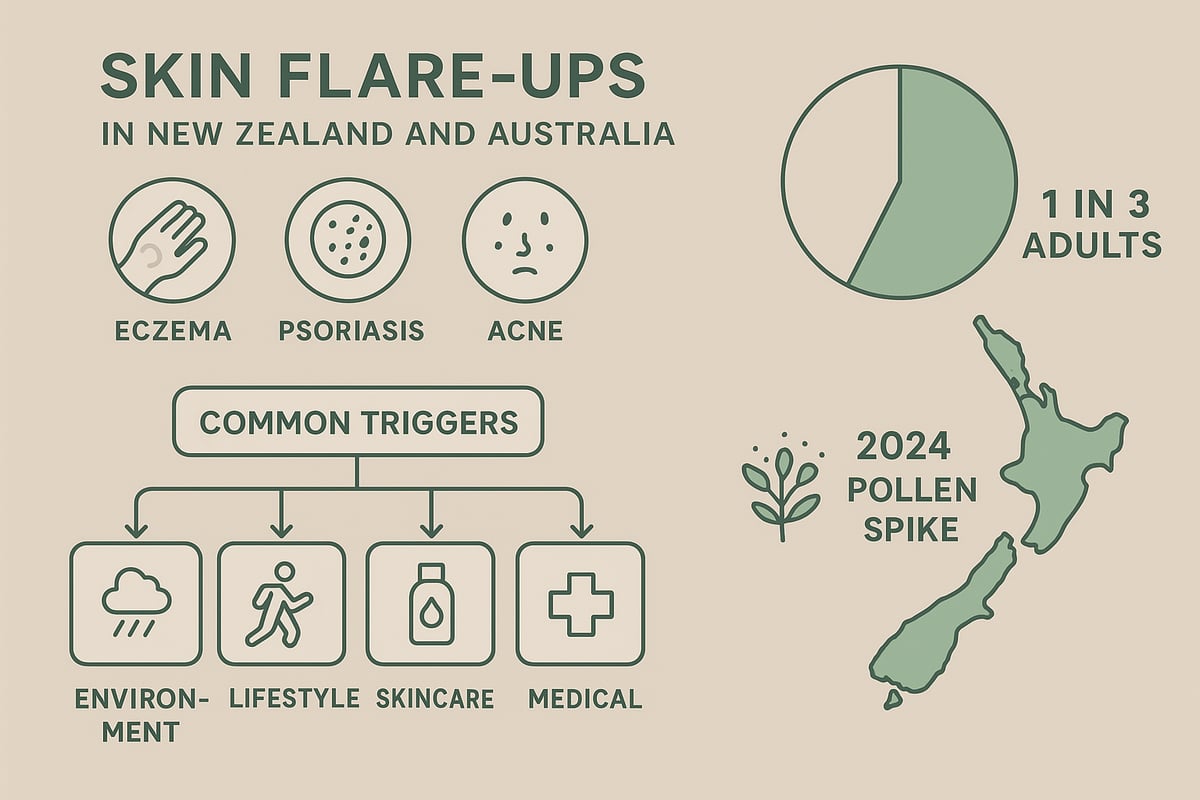
Struggling with flare ups on skin? You’re definitely not alone. These sudden, often stubborn reactions can show up as eczema, psoriasis, dermatitis, acne, or other skin issues. Flare ups on skin affect about 1 in 3 adults every year, making them a widespread concern across Australia and New Zealand. The physical discomfort—redness, itching, burning or pain—can be relentless, but it’s not just skin deep. Many people experience a knock-on effect on their mood, confidence, and daily life.
What Are Skin Flare Ups?
Flare ups on skin are sudden episodes where the skin becomes irritated, inflamed, or breaks out in rashes or lesions. This umbrella term covers a range of conditions such as eczema, psoriasis, dermatitis, and acne. Each can look and feel a bit different, but all involve the skin’s natural barrier becoming compromised.
Statistically, flare ups on skin are incredibly common. Recent research from the Australasian Journal of Dermatology shows that about a third of adults will experience at least one episode every year. These episodes can cause more than just physical symptoms. People living with regular flare ups on skin often report anxiety, sleep disruption, and lowered self-esteem.
Common Triggers in 2025
What’s driving the increase in flare ups on skin? In 2025, several triggers are front and centre:
- Environmental factors: Climate change is bringing more extreme weather and longer pollen seasons, while urban pollution is on the rise. For example, the summer of 2024 saw a record pollen spike in New Zealand, with a sharp uptick in flare ups on skin.
- Lifestyle influences: Stress, diet high in processed foods, and lack of sleep are all linked to increased skin reactions.
- Skincare routines: Overuse of harsh chemicals, excessive exfoliation, and fragrances can all aggravate sensitive skin.
- Medical triggers: Autoimmune conditions, hormonal shifts, and certain medications can spark flare ups on skin.
You can explore more about understanding skin flare ups and their causes in detail on our blog.
Identifying Your Personal Triggers
Pinpointing what causes your flare ups on skin is key to long-term relief. Start by keeping a simple skin diary. Note what you eat, the products you use, your stress levels, and any environmental changes. Over time, patterns may emerge.
Patch testing can also help you uncover allergies or sensitivities to skincare ingredients. If you’re struggling to identify your triggers or if flare ups on skin become severe or persistent, it’s wise to consult a dermatologist. They can offer expert guidance, run allergy tests, and help you build a tailored management plan.
By understanding what sets off your flare ups on skin, you empower yourself to make positive, lasting changes.
The Science of Inflammation: Why Skin Reacts
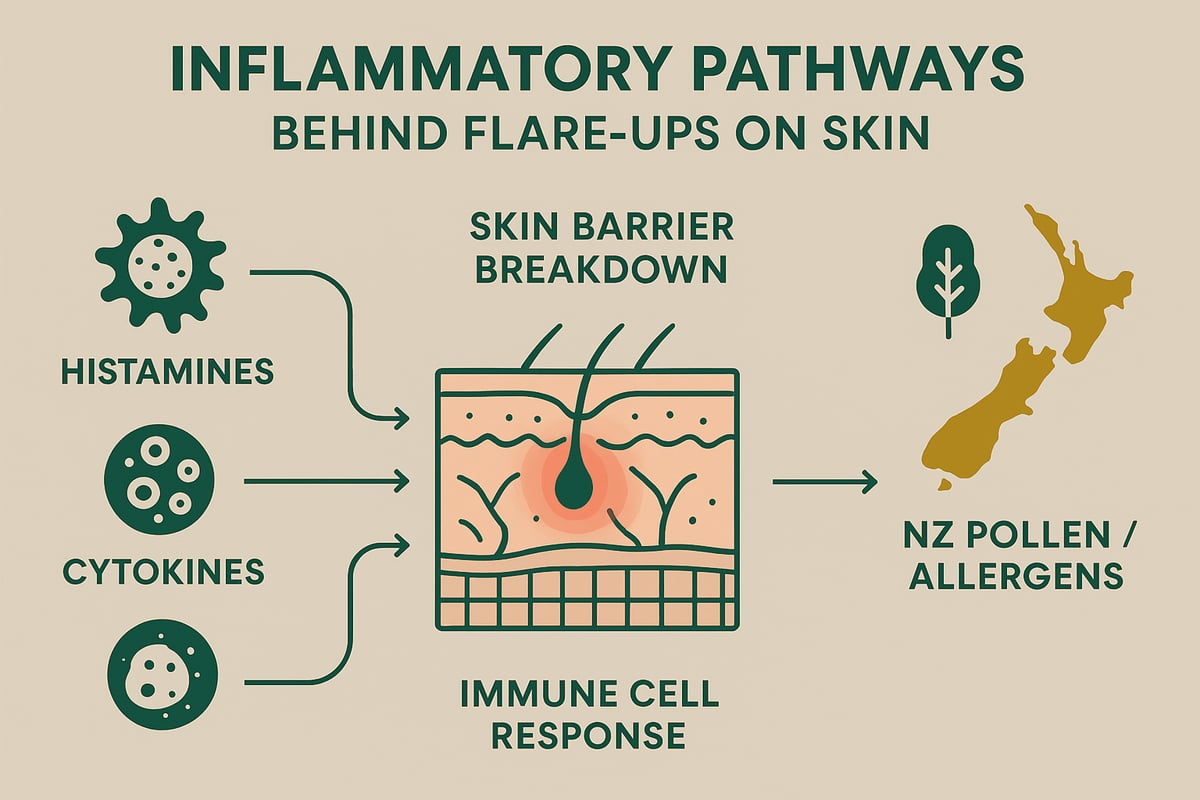
Understanding why flare ups on skin happen starts with the body’s natural defence system. When your skin faces a threat, like an allergen or bacteria, your immune system leaps into action. It releases histamines and cytokines, which are chemical messengers that trigger redness, swelling, and itching.
In New Zealand, these reactions are often heightened by unique environmental factors, such as seasonal pollen spikes and climate variability. As inflammation escalates, the skin barrier can break down, leaving you vulnerable to further irritation. Genetics also play a part—some people inherit a more sensitive immune response, making flare ups on skin more likely. Even everyday stress can tip the balance, causing your skin to react unpredictably.
How Inflammation Drives Flare Ups
The science behind flare ups on skin is all about the immune system’s attempt to protect you. When skin cells sense danger, they signal immune cells to flood the area. This causes the classic symptoms: redness, heat, swelling, and discomfort.
Environmental triggers, like increased pollen in NZ summers or exposure to pollution, can set off this response. Over time, repeated inflammation can weaken the skin’s natural barrier, making it harder to recover. Genetics can stack the odds, but your environment and lifestyle are just as powerful. Keeping an eye on your personal triggers is key, as no two people’s skin will react exactly the same way.
Latest Research in 2025
In 2025, researchers in New Zealand have made exciting advances around flare ups on skin. One big breakthrough involves the skin microbiome—the community of bacteria and fungi that live on your skin. Studies show when the microbiome is imbalanced, inflammation rises, and flare ups become more frequent.
Gut health is now recognised as a crucial factor too. A 2024 NZ study found that people with eczema often have less diversity in both gut and skin microbes, suggesting a strong link between inner health and skin reactions. This is why many experts recommend a holistic approach, targeting both the skin’s surface and the gut for lasting relief. For more on the immune science behind these conditions, check out Eczema and flare up management.
Modern Diagnostic Tools
Technology is revolutionising the way we diagnose and manage flare ups on skin. Patch testing lets you pinpoint allergens and sensitivities with precision. Digital skin analysis, now available in many NZ clinics, uses high-resolution imaging to track inflammation, hydration, and barrier strength over time.
Teledermatology is another game changer, especially across New Zealand’s regions. You can now consult a dermatologist remotely, speeding up diagnosis and personalising your care plan. Early detection is vital—it means you can adjust your routine and manage flare ups on skin before they spiral out of control. These tools empower you to take control, track your progress, and find the best solutions for your unique skin.
Step-by-Step Guide to Managing Flare Ups
Facing flare ups on skin can feel overwhelming, but you’re not alone. With a clear, step-by-step plan, it’s possible to calm irritation quickly and build long-term resilience. Let’s break down each action you can take—starting now.
Step 1: Immediate Relief Strategies
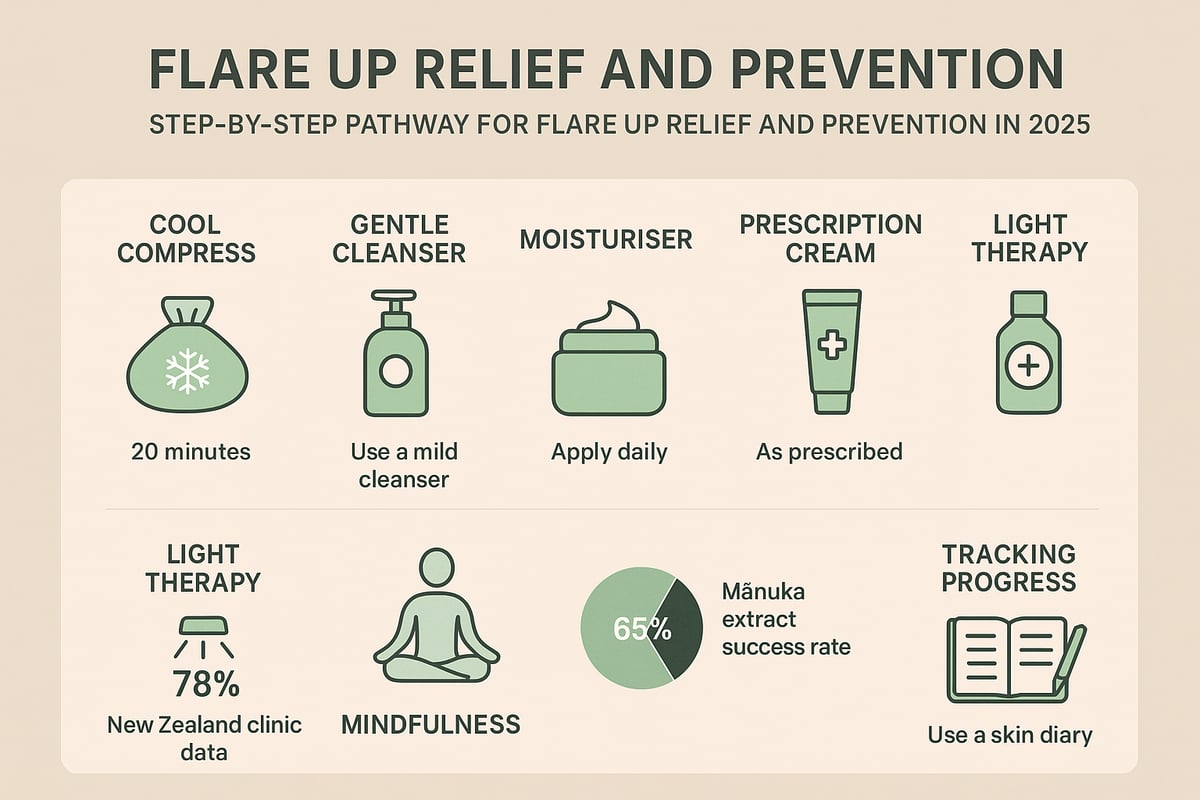
When flare ups on skin strike, quick action is key. Start by applying a cool compress to soothe itching and redness. Use a gentle, fragrance-free cleanser and avoid scrubbing or hot water, which can worsen symptoms.
For fast relief, over-the-counter hydrocortisone cream or oral antihistamines can help reduce inflammation and itching. Always check the label and consult your pharmacist if you’re unsure.
- Cool compresses calm irritation
- Gentle cleansing preserves the skin barrier
- OTC treatments ease discomfort
Avoid known triggers, such as harsh soaps or environmental irritants, during this acute phase.
Step 2: Restoring the Skin Barrier
Restoring your skin’s natural defences is essential after a flare up. Moisturisers rich in ceramides, colloidal oatmeal, or natural oils (like Mānuka or sweet almond) help lock in hydration and repair damage.
A recent review of NZ clinics found that using barrier creams led to up to 70 percent improvement in flare ups on skin. For many, switching to a natural, fragrance-free moisturiser is a game-changer. You can read eczema treatment success stories from real Kiwis who found relief with botanical-based products.
| Product Type | Success Rate in NZ Clinics |
|---|---|
| Barrier Creams | Up to 70% |
| Natural Moisturisers | 65% |
Apply moisturiser within minutes of washing your skin to maximise absorption.
Step 3: Targeted Treatments
For persistent or severe flare ups on skin, prescription options may be needed. Dermatologists often recommend topical corticosteroids or calcineurin inhibitors for stubborn patches. In some cases, light therapy (phototherapy) or oral immunomodulators are effective, especially when over-the-counter options are not enough.
Always follow your doctor’s advice, and ask about new treatments available in New Zealand for 2025.
Step 4: Holistic and Lifestyle Adjustments
Managing flare ups on skin isn’t just about creams—it’s about your whole lifestyle. Stress, poor sleep, and a diet high in processed foods can all make symptoms worse.
Try these holistic steps:
- Prioritise 7–8 hours of sleep nightly
- Practice mindfulness or yoga, shown in a 2024 NZ pilot study to reduce flare frequency
- Eat an anti-inflammatory diet rich in omega-3s, leafy greens, and berries
Small changes add up, helping your skin become more resilient against future flare ups.
Step 5: Long-Term Flare Up Prevention
Lasting relief comes from building healthy habits. Identify personal triggers with a skin diary or allergy testing. Choose simple, fragrance-free routines and check in regularly with your dermatologist.
Track your progress—adjust your plan as needed. Prevention is a journey, but with each step, you get closer to healthy, comfortable skin.
Natural Solutions: The Power of Mānuka Extract in Skin Health
If you’re searching for a natural remedy that truly delivers relief for flare ups on skin, New Zealand’s Mānuka extract is a standout. This botanical powerhouse is capturing attention worldwide for its potent effects on irritated, reactive skin. But what makes Mānuka so effective, and how can you harness its full benefits at home?
Why Mānuka? Unique Benefits for Flare Ups
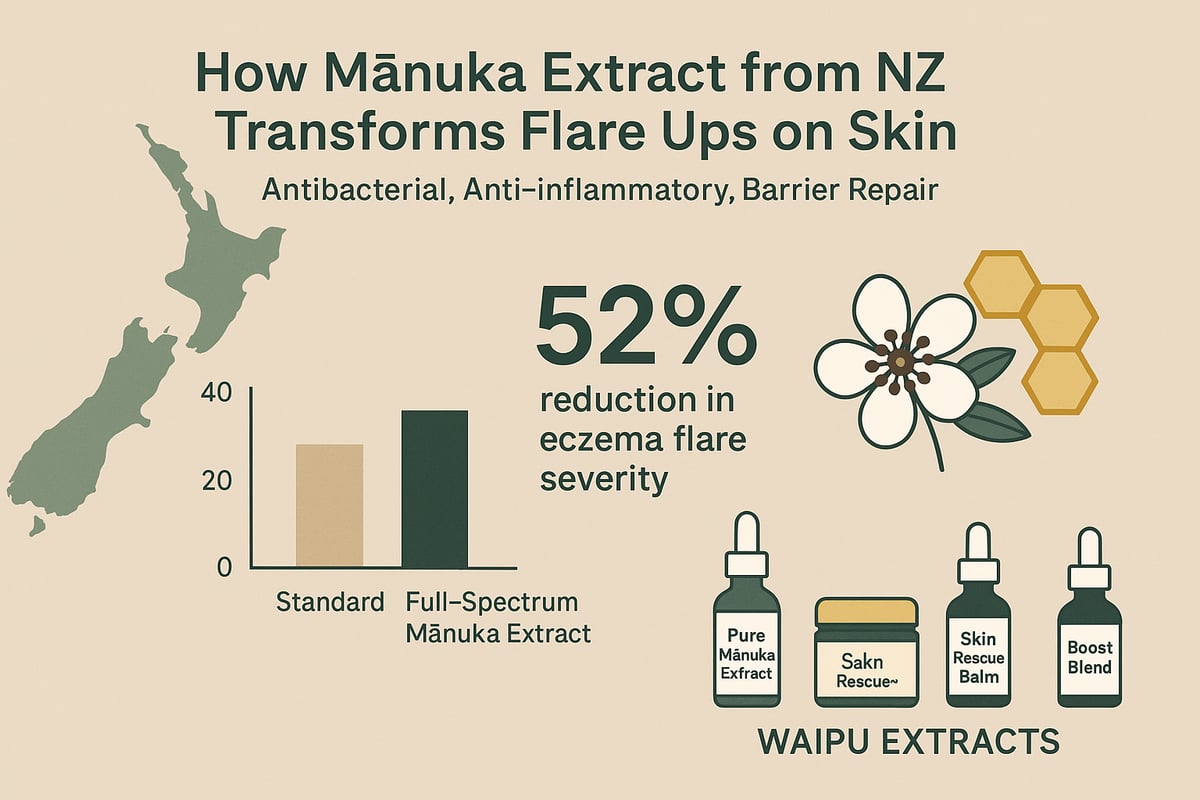
Mānuka extract is not your average skin remedy. Its unique blend of antibacterial and anti-inflammatory compounds makes it especially effective for flare ups on skin. Scientific studies have shown that Mānuka can help soothe redness, calm itching, and promote the repair of a weakened skin barrier.
A landmark 2023 clinical trial in New Zealand reported that Mānuka extract reduced eczema flare severity by an impressive 52%. This breakthrough is changing how both dermatologists and natural health advocates approach stubborn skin issues.
What sets Mānuka apart? It contains high levels of methylglyoxal (MGO) and other rare antioxidants, which fight bacteria and reduce swelling. For a deeper dive into these scientifically proven properties, check out the Natural Mānuka extract benefits. If you’re facing sudden or persistent flare ups on skin, these benefits can offer a new level of hope.
Waipu Extracts: Pioneering Full-Spectrum Mānuka Solutions
Waipu Extracts, based in New Zealand, leads the way in harnessing Mānuka’s full skin-soothing potential. Unlike conventional extracts, Waipu’s full-spectrum process preserves all the natural compounds found in the Mānuka plant, maximising both efficacy and gentleness.
Waipu Extracts’ product range includes:
- Pure Mānuka Extract for sensitive and reactive skin
- Hyper Blend for intensive hydration and repair
- Skin Rescue Balm for targeted relief of flare ups on skin
- Boost Blend to support everyday skin resilience
Customers report real improvements, with fewer flare ups on skin and faster recovery times. All products are 100% natural, free from harsh chemicals, and safe for children and sensitive skin types. Waipu also offers educational resources and a satisfaction guarantee, so you can feel confident in your choice.
How to Incorporate Mānuka Extract Into Your Routine
Ready to add Mānuka extract to your daily care? Start by applying a small amount of Pure Mānuka Extract or Skin Rescue Balm to clean, dry areas affected by flare ups on skin. Use morning and night for best results, and adjust frequency based on your skin’s response.
Combine Mānuka with gentle moisturisers and avoid harsh cleansers or exfoliants. For ongoing prevention, the Boost Blend can be used as part of your regular routine. Always patch test new products and consult your dermatologist if your symptoms persist or worsen.
By making these simple changes, you can tap into the natural power of Mānuka and finally find relief from flare ups on skin.
Advanced Medical Treatments and When to Seek Help
Managing flare ups on skin can sometimes require advanced medical intervention, especially when over-the-counter solutions no longer provide relief. Understanding what options are available, recognising when to seek professional help, and navigating the latest technologies and costs can make a big difference in your skin health journey.
Prescription and Clinic-Based Options
For persistent flare ups on skin, dermatologists in New Zealand are increasingly turning to a mix of advanced treatments. These include the latest prescription creams, oral medications, and biologics that target the immune system at its source. Phototherapy, or light therapy, is also gaining popularity in NZ clinics for hard-to-treat cases.
A dermatologist will tailor your treatment to the type and severity of your flare ups on skin. Topical corticosteroids and calcineurin inhibitors remain first-line options, while biologics are reserved for severe or unresponsive cases. For a detailed overview of recent management strategies, see the Prevalence and management of atopic dermatitis in Australia.
When to See a Dermatologist
Knowing when to seek expert help is crucial. If your flare ups on skin become infected, start spreading, or cause severe pain, it is time to book a dermatology appointment. Other red flags include persistent itching, oozing, or a sudden change in appearance.
During your appointment, expect a thorough examination, which may include digital skin analysis or patch testing. Your dermatologist will help identify underlying causes and recommend a personalised care plan, combining medical and natural approaches as needed.
Emerging Technologies
The landscape for managing flare ups on skin is evolving rapidly with the introduction of teledermatology and AI-driven skin analysis. These tools allow for faster, more accurate diagnoses and enable personalised treatment plans from the comfort of your home.
In 2025, more New Zealanders are expected to access digital consultations, reducing wait times and improving outcomes for flare ups on skin. These innovations are especially helpful for those in rural areas or with mobility challenges, offering greater convenience and early intervention.
Insurance and Cost Considerations
Navigating the costs of advanced care for flare ups on skin can be daunting. In New Zealand, some treatments and appointments are covered by the public health system, but wait times can be long. Private dermatology offers faster access, though out-of-pocket costs may apply.
Understanding the disease burden can help advocate for better coverage and support. For insights into healthcare use and the impact of skin conditions, see Disease burden and healthcare use in Australian adults with atopic dermatitis. Always check with your provider about coverage and ask your dermatologist for cost-effective options.
Preventing Future Flare Ups: Building a Resilient Skin Routine
Building a resilient routine is your best defence against flare ups on skin. Prevention starts with simple, daily steps that nurture and protect. Whether you have sensitive skin or are prone to sudden reactions, small changes can make a world of difference.
Daily Habits for Flare Up Prevention
Consistency is key when it comes to keeping flare ups on skin at bay. Start with a gentle cleanser and avoid hot water, which can strip natural oils. Moisturise immediately after bathing using barrier-supporting ingredients like ceramides or Mānuka extract, known for its soothing and restorative properties.
- Use fragrance-free, hypoallergenic products
- Apply sunscreen daily, even on cloudy days
- Patch test new products to avoid surprises
Check ingredient lists for harsh chemicals or potential irritants. Studies show that proactive routines reduce flare up risk and severity; predictors of flares and disease severity in atopic dermatitis highlight the value of consistent care and early intervention.
Seasonal and Environmental Adjustments
New Zealand’s weather can swing from brisk winters to humid summers, each bringing new challenges for flare ups on skin. Adjust your routine as the seasons change. In winter, use richer creams to shield against dry air. In summer, switch to lighter lotions and step up sun protection.
Keep indoor spaces allergen free—ventilate rooms, use air purifiers, and wash linens often to cut down on pollen and dust. If you notice more flare ups during high pollen seasons, try keeping windows closed and showering after outdoor activities.
| Season | Key Adjustments |
|---|---|
| Winter | Rich moisturisers, humidifier use |
| Summer | Lightweight lotion, extra SPF |
| Spring/Autumn | Allergen avoidance, regular cleaning |
Nutrition and Lifestyle for Skin Health
What you eat and how you live can influence flare ups on skin. Focus on an anti-inflammatory diet rich in omega-3s, antioxidants, and plenty of water. Salmon, walnuts, and leafy greens are excellent choices.
Physical activity, like walking or gentle yoga, helps reduce stress, a known trigger. Prioritise good sleep hygiene—rested skin is more resilient and less prone to flare ups.
- Include colourful fruits and vegetables
- Limit processed foods and added sugars
- Stay hydrated with water or herbal teas
Tracking Progress and Adjusting Your Plan
Monitoring your skin is vital. Use a diary or an app to log flare ups on skin, noting potential triggers, foods, weather, and new products. This data helps you and your dermatologist spot patterns and fine tune your routine.
If you notice persistent or worsening symptoms, seek professional advice. Early intervention is proven to reduce long term severity and improve quality of life. Digital tools make it easier than ever to track and share information, leading to more personalised care.
Community Support and Resources
You are not alone in the fight against flare ups on skin. Connecting with others can offer encouragement, practical tips, and a sense of belonging. Look for NZ-based support groups, online forums, and educational websites focused on skin health.
Many local organisations share stories and resources tailored to New Zealand’s unique climate and challenges. Reaching out can help you stay motivated and informed as you build a more resilient routine.
After everything we've covered about understanding your skin, managing flare ups, and exploring the remarkable benefits of natural solutions, you deserve to try something that truly supports your skin's health. If you're ready to make a positive change and see what a world-first full spectrum Mānuka extract can do, why not take the next step? With Waipu Extracts' dedication to quality, science, and your well-being, you’re in great hands. You can start your journey towards calmer, healthier skin today—discover the difference and Get Your Mānuka Extract Today.