

Facial eczema is on the rise in 2025, with more Australians and New Zealanders facing the daily challenges of flare-ups, discomfort, and visible irritation. If you’re tired of searching for real answers to eczema treatment face issues, you’re not alone. This expert guide is designed to empower you with the latest, science-backed solutions—covering everything from understanding eczema triggers and advanced medical options to natural breakthroughs like New Zealand’s Mānuka extract. Discover dermatologist-approved routines and prevention strategies for clearer, calmer skin. Ready to take control? Explore our expert tips and find relief that lasts.
Understanding Facial Eczema: Types, Symptoms, and Causes
Facial eczema is increasingly common across New Zealand, affecting both adults and children. The visibility of symptoms can make it especially challenging, impacting self-esteem and daily comfort. Understanding what drives eczema treatment face decisions is the first step to managing symptoms and reclaiming healthy skin.
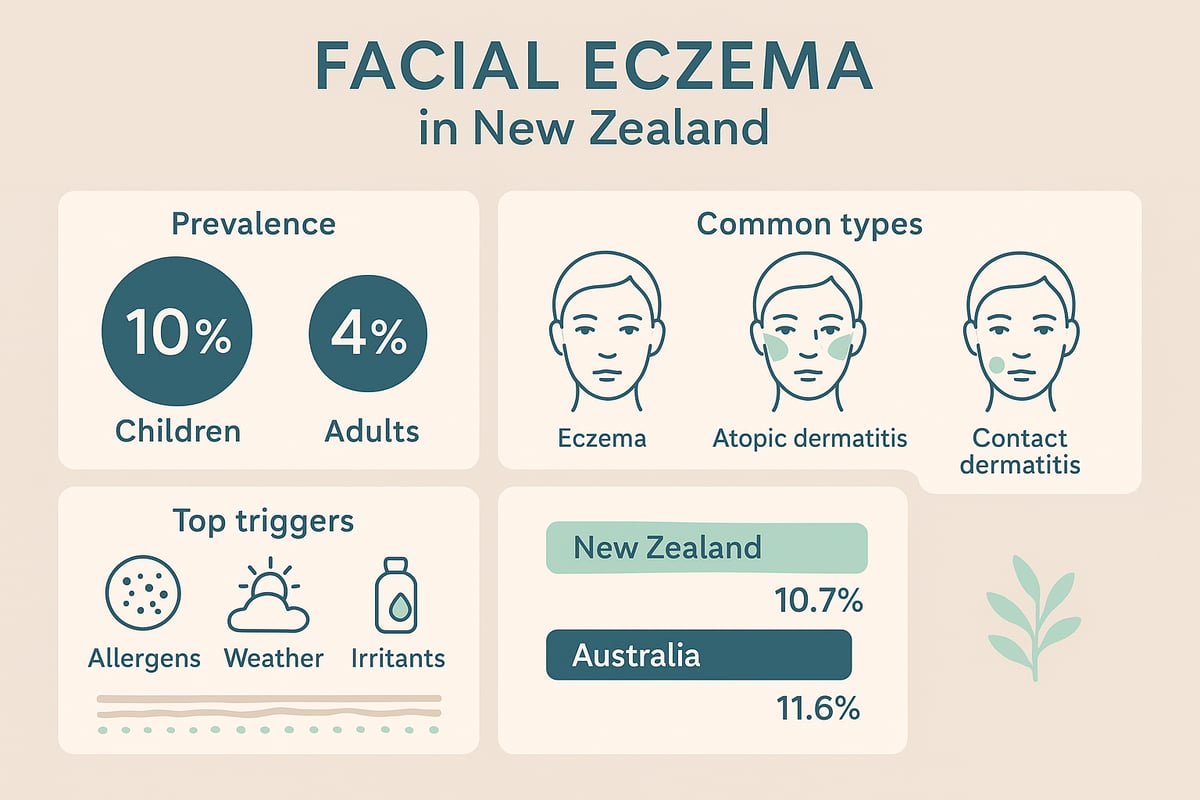
What Is Facial Eczema?
Facial eczema is a chronic inflammatory skin condition that targets the delicate skin of the face. In New Zealand and Australia, up to 10% of adults and 20% of children experience some form of eczema during their lives. The face is particularly vulnerable because the skin barrier here is thinner and more exposed to the environment.
Living with facial eczema means dealing with more than just discomfort. Visible symptoms can affect confidence and social interactions, making effective eczema treatment face solutions even more important. The root issue often lies in impaired skin barrier function, which allows moisture to escape and irritants to penetrate.
If you want a deeper dive into the daily realities and solutions for facial eczema, you might find the Eczema on My Face Guide helpful for practical advice and support.
Common Types of Facial Eczema
Several types of eczema can appear on the face, each with its own triggers and patterns. The most common is atopic dermatitis, often linked to family history and allergies. This type tends to flare up repeatedly, especially in childhood, but can persist into adulthood.
Seborrheic dermatitis causes greasy, yellowish scales, usually around the nose, eyebrows, and hairline. It often appears in adults and can be triggered by yeast on the skin. Contact dermatitis develops after skin comes into contact with allergens or irritants, such as certain cosmetics, metals, or even skincare products not suited for sensitive faces.
Less commonly, periorificial eczema affects the skin around the mouth, eyes, or nose, while nummular eczema appears as coin-shaped patches. No matter the type, having a tailored eczema treatment face plan is crucial for relief.
Recognising Symptoms and Flare-Ups
Symptoms of facial eczema can vary but usually include redness, intense itching, and dry or scaly patches. Swelling can make the skin feel tight, while chronic cases may develop blisters, oozing, or thickened areas.
Discolouration is also common. Depending on your skin tone, patches may look red, brown, or purple. Eczema can strike anywhere on the face, including the cheeks, eyelids, forehead, lips, and around the nose. Recognising these signs early supports prompt eczema treatment face strategies and minimises long-term effects.
Key Causes and Triggers
Facial eczema is influenced by a mix of genetic and environmental factors. If you have a family history of eczema, asthma, or allergies, your risk is higher. Everyday triggers include environmental allergens, harsh weather, and emotional stress.
Common irritants are found in many skincare routines—think fragrances, soaps, detergents, nickel jewellery, and even wool scarves. In fact, about 80% of facial contact dermatitis cases are linked to irritant exposure. Identifying and avoiding your personal triggers is a key part of any eczema treatment face plan.
2025’s Expert-Recommended Medical Treatments for Facial Eczema
Navigating the world of eczema treatment face options can feel overwhelming, especially with new therapies emerging every year. In 2025, Australians and New Zealanders have access to a range of evidence-based solutions, tailored for sensitive facial skin. Let’s break down what’s new, what works, and how you can choose the right path to clearer, calmer skin.
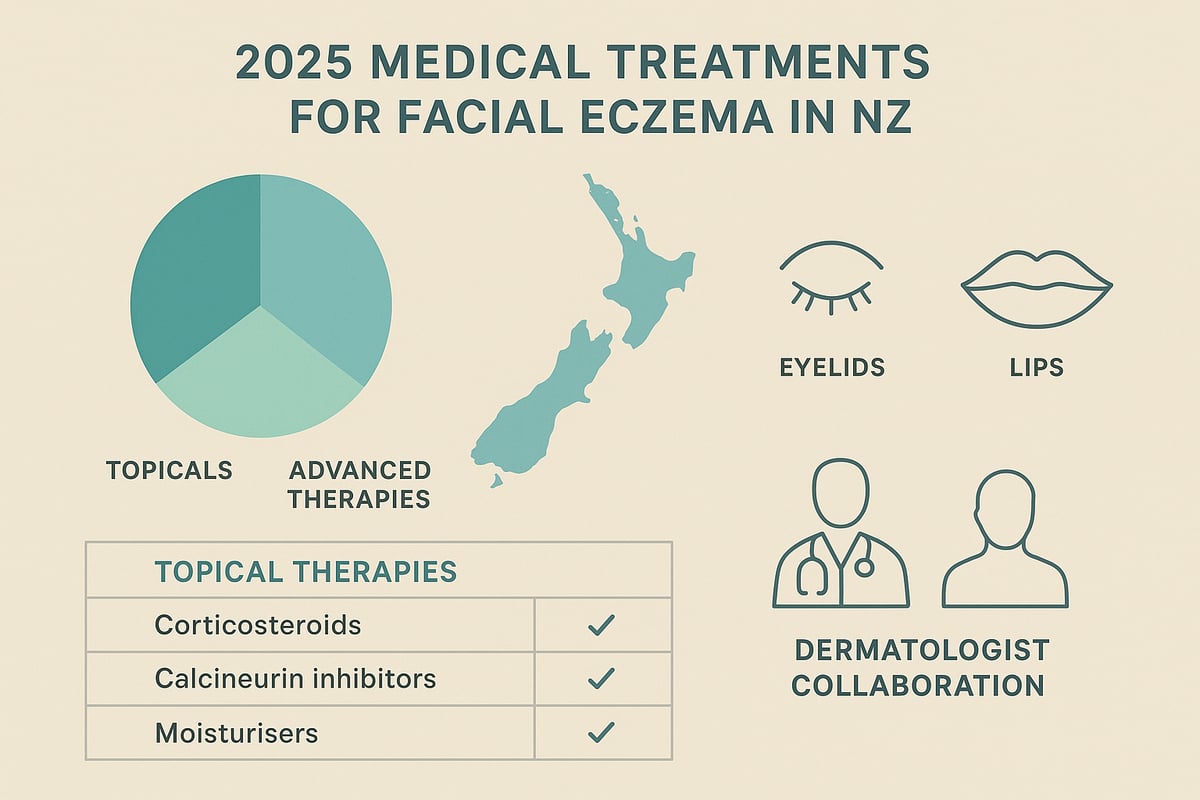
Topical Therapies: Steroids and Beyond
For many dealing with eczema treatment face concerns, topical therapies remain the frontline defence. Low-potency corticosteroids are often used for short bursts, especially on delicate areas. These help calm inflammation but require careful monitoring to avoid side effects like skin thinning or pigment changes.
Calcineurin inhibitors, such as pimecrolimus and tacrolimus, are ideal for sensitive spots like eyelids or lips. In 2025, non-steroidal creams, including PDE4 inhibitors, are gaining traction for their ability to soothe eczema without the drawbacks of steroids. Always follow your dermatologist’s advice for safe, effective use.
Systemic and Advanced Therapies
When topical options aren’t enough, advanced solutions for eczema treatment face come into play. Biologics, including dupilumab, lebrikizumab, and nemolizumab, target the underlying immune response in moderate to severe cases. These injectable medications offer hope for those with persistent symptoms.
Oral JAK inhibitors, such as abrocitinib and upadacitinib, are prescribed for stubborn eczema that resists standard care. Phototherapy, particularly narrowband UVB light, is a non-drug option for widespread facial involvement. All systemic treatments require regular monitoring to ensure safety and optimal results.
Antihistamines, Antifungals, and Adjunct Medications
Adjunct therapies round out the eczema treatment face toolkit. Antihistamines can help manage relentless itching, especially at night. For seborrheic dermatitis or fungal-related eczema, antifungal creams are often recommended.
In severe or unresponsive cases, immunosuppressants may be necessary, but these come with close medical supervision. Dermatologists sometimes combine oral and topical treatments to tackle stubborn flare-ups. Always discuss new symptoms or side effects with your provider to adjust your regimen as needed.
Choosing the Right Treatment Plan
No two cases of eczema treatment face are the same, so individualised plans are essential. Your dermatologist will consider your eczema type, severity, age, and lifestyle before recommending a mix of therapies. Following the latest Australian and New Zealand guidelines ensures you’re getting the best evidence-based care.
For more insights into selecting the most suitable options, check out this Best Product for Eczema guide, which reviews leading products for facial eczema. Remember, ongoing collaboration with your healthcare team empowers you to adjust treatments as your skin’s needs evolve.
Natural Solutions and Breakthroughs: The Science of Mānuka Extract
Nature has always offered hope for those searching for gentle, effective solutions to eczema treatment face challenges. In 2025, the spotlight shines brightly on New Zealand's Mānuka plant as research and innovation reveal its unique power for calming irritated skin. Let’s explore how this botanical breakthrough, especially through Waipu Extracts, offers new hope and clarity for even the most sensitive faces.
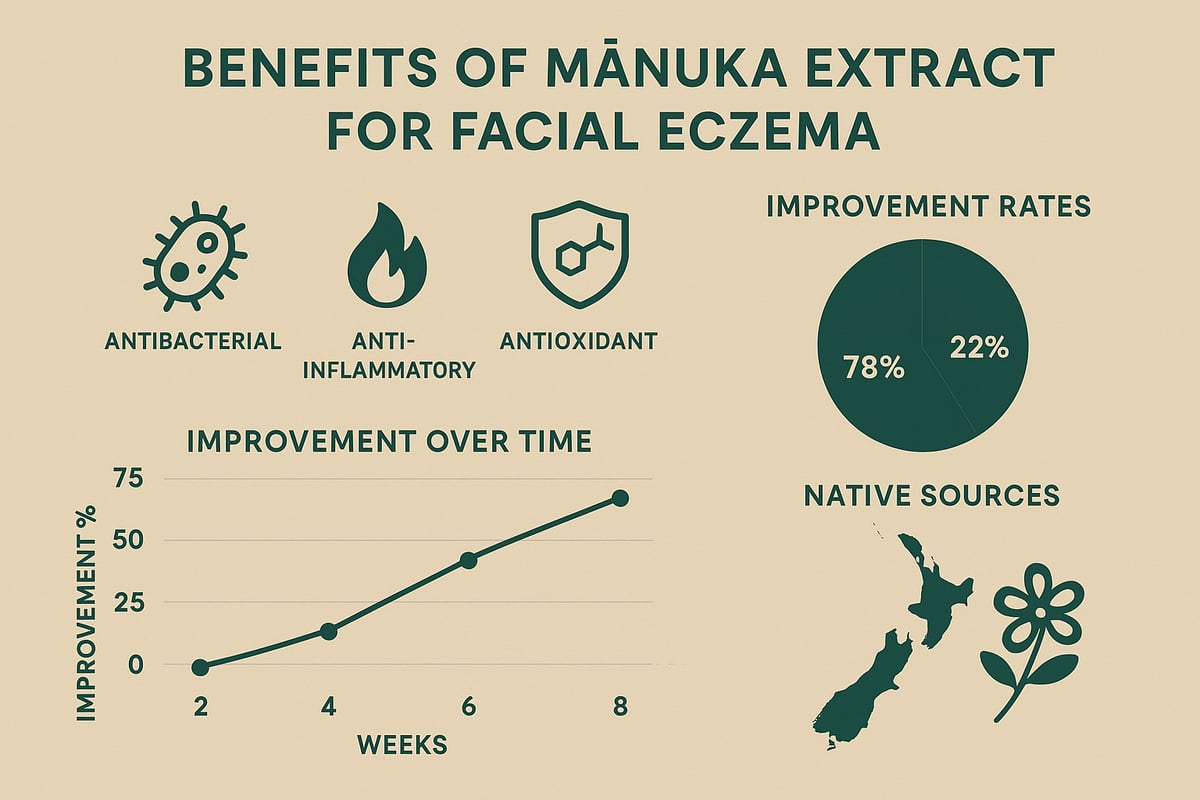
Harnessing the Power of Mānuka for Eczema Relief
Mānuka (Leptospermum scoparium), a native New Zealand shrub, is fast becoming a hero ingredient in eczema treatment face routines. Scientific studies confirm that Mānuka extract features powerful antibacterial, anti-inflammatory, and antioxidant properties, making it especially beneficial for skin prone to redness, itch, and infection.
Recent evidence shows that Mānuka extract helps reduce visible irritation and strengthens the skin barrier. Unlike traditional natural remedies like colloidal oatmeal or aloe vera, Mānuka’s bioactive compounds target multiple causes of eczema discomfort. For a deeper dive into the science behind Mānuka’s effectiveness, see The Science of Mānuka. This botanical solution is now a cornerstone for anyone seeking natural, effective eczema treatment face options.
Waipu Extracts: Full Spectrum Mānuka Innovation
Waipu Extracts, based in New Zealand, leads the way with a world-first full spectrum Mānuka extraction process. By retaining all natural active compounds, these extracts deliver maximum potency for eczema treatment face needs.
Customers consistently report reduced flare-ups, improved skin hydration, and a visible return to comfort. The extracts are designed for sensitive skin, making them safe for all ages, including children. This innovation means you get the full benefit of Mānuka’s healing properties, not just a single isolated component, for a holistic approach to eczema treatment face.
How to Use Mānuka Extract Safely and Effectively
Incorporating Mānuka extract into your eczema treatment face routine is simple. Start by gently cleansing your face with a fragrance-free product. Next, apply a thin layer of Mānuka extract to affected areas. Follow up with a rich, barrier-restoring moisturiser to lock in hydration.
Use the extract morning and night, or as directed by your healthcare provider. For those with very sensitive skin, patch testing is recommended before full use. If you are on prescription treatments, Mānuka extract can be safely layered to support and enhance your results in eczema treatment face care.
Natural Remedies in 2025: What Works, What Doesn’t
With so many natural options, it’s important to know which ones are truly effective for eczema-prone faces. Below is a quick comparison:
| Remedy | Pros | Cons |
|---|---|---|
| Mānuka Extract | Strong evidence, multi-action, gentle | Limited availability |
| Coconut Oil | Moisturises, easy access | May clog pores, irritate |
| Shea Butter | Soothes, rich emollient | Not always allergy-friendly |
| Herbal Balms | Herbal mix, some soothing | Variable quality, allergens |
While some DIY remedies may offer relief, untested or harsh products can worsen symptoms. Always consult healthcare professionals before adding new products to your routine.
Daily Skincare Routine for Managing Facial Eczema
Caring for facial eczema can feel overwhelming, but a consistent daily routine makes a real difference. With the right approach, you can restore comfort and confidence to your skin. Let’s walk through practical steps for an effective eczema treatment face routine, tailored for 2025.
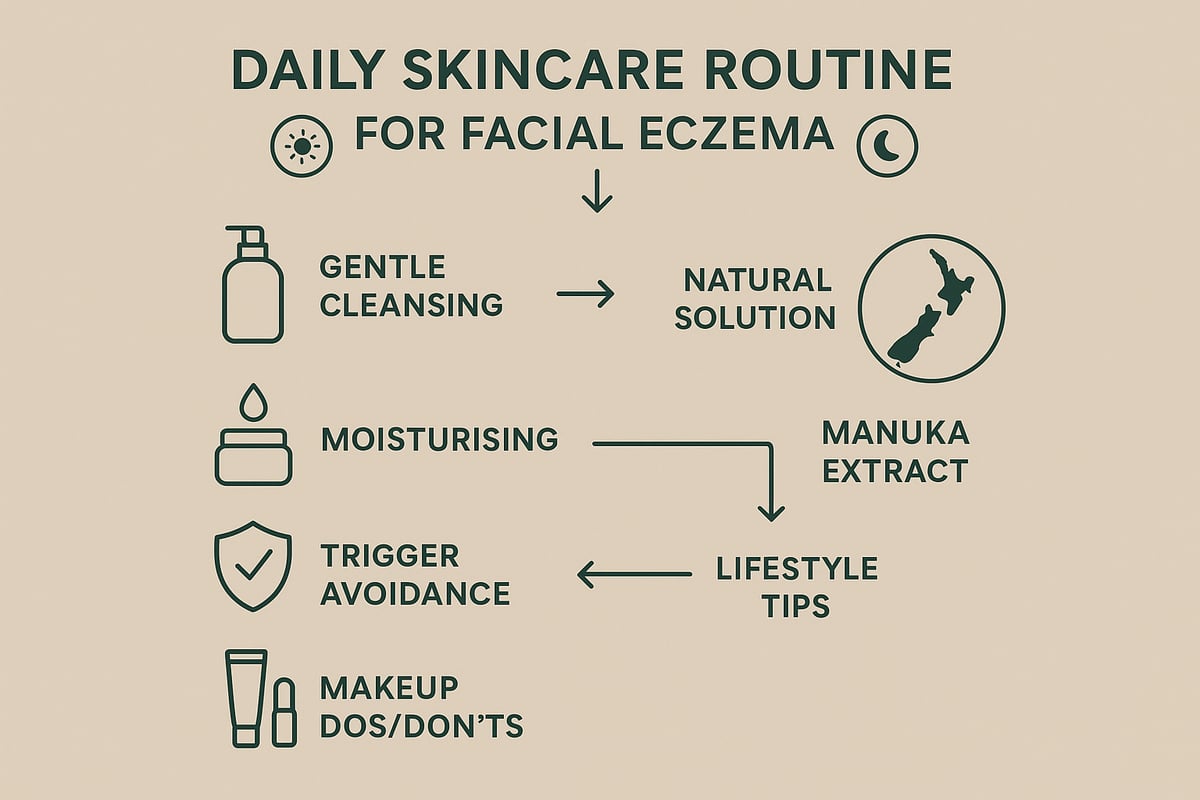
Gentle Cleansing and Moisturising
Start your eczema treatment face routine with a gentle cleanse. Choose fragrance-free, soap-free cleansers that won’t strip your skin’s natural oils. Lukewarm water is best, as hot water can aggravate sensitive skin. After washing, pat your face dry with a soft towel instead of rubbing.
Apply a thick, barrier-restoring cream or ointment immediately. Look for products with ceramides and avoid thin lotions. Brands like Cetaphil, Eucerin, and Mānuka-based creams from New Zealand offer excellent options for sensitive faces. The natural antibacterial and soothing properties of Mānuka extract can help repair your skin barrier and calm irritation.
If you want more step-by-step guidance, check out these Clearing Up Eczema Tips for evidence-based strategies you can use every day.
Protective Strategies Against Triggers
Creating a protective shield is vital in any eczema treatment face plan. Avoid known irritants like fragrances, alcohol-based products, lanolin, and urea. Choose hypoallergenic, non-comedogenic cosmetics if you use makeup.
Weather can be a trigger, too. Use a physical barrier like a scarf in cold wind or a gentle sunscreen in the sun. Swap out scratchy fabrics for soft, breathable cotton and steer clear of wool, which often worsens eczema.
By staying alert to what touches your skin, you reduce the risk of flare-ups and support long-term healing.
Lifestyle Adjustments for Flare-Up Prevention
Lifestyle tweaks can make a noticeable impact on your eczema treatment face results. Stress is a common trigger, so try mindfulness, yoga, or regular exercise to keep calm. Use a humidifier in dry months to maintain skin moisture.
Watch for food triggers by keeping a diary, and aim for a balanced diet rich in omega-3s. Don’t forget the basics: stay hydrated and get enough sleep, as tiredness can make your skin more reactive.
Makeup and Facial Eczema: Dos and Don’ts
During active flare-ups, it’s best to skip makeup to let your skin heal. When you do use cosmetics, choose mineral-based, fragrance-free options designed for sensitive skin. Always remove makeup gently with a non-irritating cleanser before bed.
One patient found their flare-ups became less frequent after switching to hypoallergenic makeup and following a consistent eczema treatment face routine. Small changes add up, helping you feel comfortable and confident every day.
Dermatologist-Approved Prevention Strategies for 2025
Facial eczema prevention in 2025 is all about proactive, evidence-based care. With the right strategies, you can reduce flare-ups, protect your skin barrier, and improve your quality of life. Let’s explore how you can take control of your eczema treatment face journey, step by step.
Identifying and Avoiding Personal Triggers
Pinpointing your unique triggers is crucial for effective eczema treatment face management. Start by keeping an eczema diary to track flare-ups, noting changes in weather, stress levels, and contact with new products. Many people discover that fragrances, preservatives, or even certain metals like nickel can set off symptoms.
Patch testing with your dermatologist helps identify hidden allergens in cosmetics, jewellery, or household cleaners. Environmental strategies also matter. Try reducing exposure to dust mites, smoke, and pollution at home. Regularly review your skincare and laundry products for potential irritants. According to recent epidemiology data, up to 10% of adults in New Zealand experience eczema, making vigilance with triggers especially important.
Advances in Allergen Management and Patch Testing
Allergy management is rapidly evolving in 2025. Newer patch testing methods are faster and more accurate, helping you and your dermatologist pinpoint causes of eczema treatment face flare-ups with confidence. Digital health tools now allow you to log symptoms and receive personalised advice, integrating test results directly into your skincare routine.
This proactive approach leads to tailored prevention plans. For example, once a nickel allergy is identified, you can switch to hypoallergenic jewellery and see a noticeable reduction in flares. By combining traditional testing with innovative tech, you build a strong foundation for long-term skin health.
Building a Long-Term Eczema Action Plan
A solid eczema action plan keeps you one step ahead. Schedule regular check-ins with your dermatologist to review your progress and update treatments as needed. Work together to create a protocol for flare-ups, including which medications to use and soothing routines to follow.
Educate family or caregivers about your eczema treatment face needs. Early intervention can prevent complications and speed up recovery. Keep emergency supplies on hand, such as prescribed creams or Mānuka extract, for immediate relief. Staying organised and prepared empowers you to manage your skin confidently every day.
Supporting Mental and Emotional Health
The emotional impact of facial eczema is real, and support matters. Many people with eczema treatment face challenges experience anxiety, self-esteem issues, or frustration during flare-ups. Connecting with support groups or online communities can offer comfort and practical tips from others who truly understand.
Mindfulness, counselling, or relaxation techniques help manage stress, a common trigger for eczema. Studies show up to 30% of sufferers report significant emotional distress, highlighting the need for holistic care. Prioritise your well-being, knowing that emotional health is just as vital as physical skin care.
Frequently Asked Questions About Facial Eczema Treatment
What products should I avoid if I have eczema on my face?
For eczema treatment face, steer clear of fragranced skincare, harsh exfoliants, and products with alcohol or lanolin. Choose mild, hypoallergenic options.
Are there any foods that can trigger facial eczema?
Some people notice flare-ups from dairy, eggs, or nuts. Keep a food diary to identify personal triggers and discuss changes with your doctor.
Can facial eczema be permanently cured?
Facial eczema is a chronic condition, but with the right care and treatment, most people achieve long-term control and fewer flare-ups.
How long does it take to see results from new treatments?
Mild improvement may appear within a week, but it can take several weeks to see significant changes. Consistency with your regimen is key.
Is Mānuka extract safe for children and sensitive skin?
Yes, Mānuka extract is generally safe for all ages. Learn more about its benefits from Mānuka oil for eczema treatment.
When should I see a dermatologist for facial eczema?
See a dermatologist if symptoms persist, worsen, or affect your quality of life. Early professional advice prevents complications.
What’s the difference between eczema and other facial rashes?
Eczema often presents with intense itching and dry patches, while other rashes may look similar but have different causes and treatments.
If you’re ready to take the next step towards calmer, clearer skin, you’re not alone—so many of us know how frustrating and disheartening facial eczema can be. We’ve explored the latest medical insights, the power of daily routines, and the unique benefits of natural remedies like Mānuka extract. If you’re curious to experience the soothing, science-backed properties of this remarkable plant for yourself, why not give it a try? You deserve relief that’s gentle, effective, and rooted in nature’s wisdom.
Get Your Mānuka Extract Today
Let’s support your skin’s journey together.