

Clear Up Eczema Guide: Expert Solutions for 2025
Are you losing sleep from relentless itching, redness, and discomfort? If you have tried everything to clear up eczema without lasting relief, you are not alone.
This expert-backed guide is your roadmap to clear up eczema in 2025, blending proven medical treatments with New Zealand’s latest natural innovations. We will explain what eczema is, why it is becoming more common, and how new approaches can finally make a difference.
Discover the most up-to-date protocols, including breakthrough natural solutions like Mānuka extract, and learn daily habits that support healthy, resilient skin. Ready to clear up eczema for good? Let’s start your journey to lasting comfort and confidence.
Understanding Eczema in 2025: Causes, Triggers & Trends
Eczema can feel like an unsolvable puzzle, especially as more Kiwis struggle with persistent symptoms. To truly clear up eczema, it helps to understand what it is, why it’s becoming more common, and which factors are shaping the eczema landscape in 2025.
What is Eczema? Latest Definitions and Types
Eczema is an umbrella term for chronic skin conditions that cause dryness, redness, and relentless itching. The most common type is atopic dermatitis, but contact dermatitis and nummular eczema are also widespread.
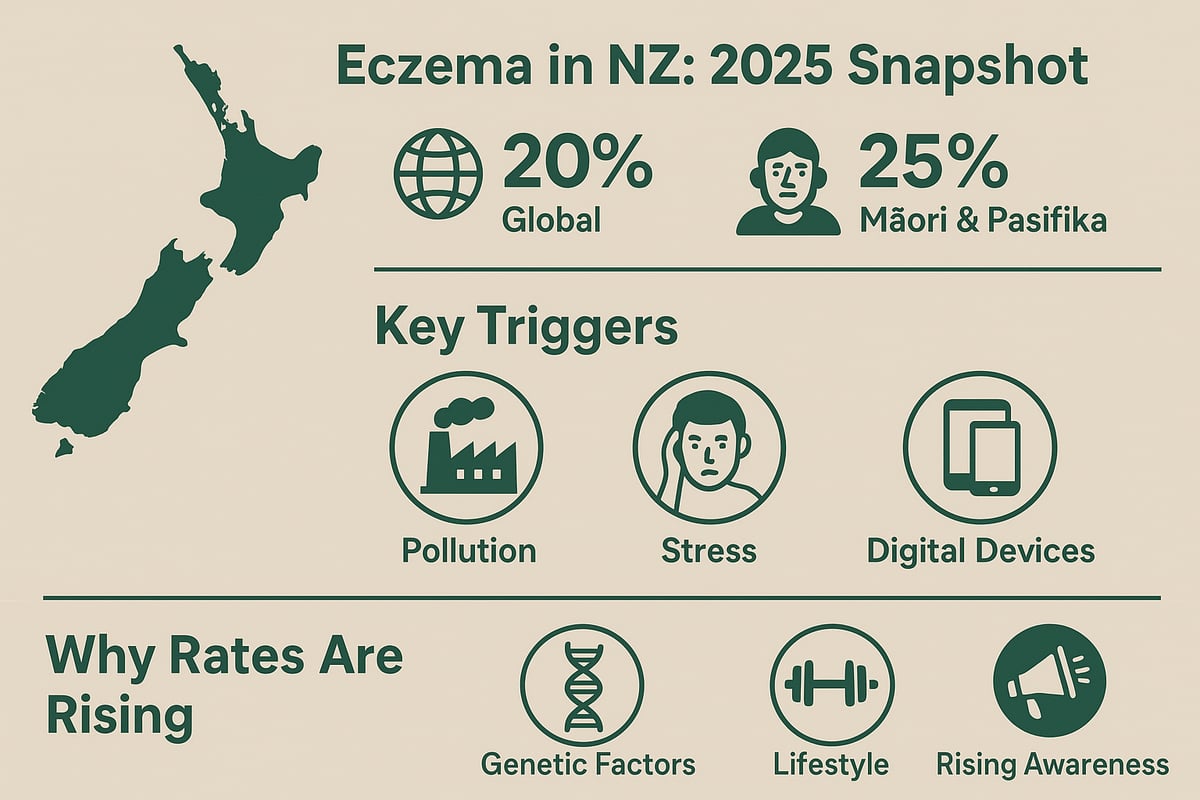
Globally, eczema affects millions, with the New Zealand Dermatological Society reporting one in three Kiwi children will face eczema at some stage. Key symptoms include inflamed, cracked skin, and sometimes weeping or infection.
Eczema Triggers in 2025: What’s Changed?
In 2025, triggers for eczema have shifted. Environmental pollution and climate change are making skin more reactive. Digital device use is on the rise, and blue light exposure may weaken the skin barrier.
Ordinary products—like soaps, laundry powders, and even some moisturisers—often contain hidden irritants. Allergens such as pollen and dust mites remain common culprits, but new chemical exposures are emerging due to modern lifestyles.
Genetics and Immunity: Why Some People are More Prone
Some people are simply more likely to develop eczema, thanks to their genes. Mutations in the filaggrin gene can weaken the skin’s barrier, making it easier for irritants to get in and moisture to escape.
Immune system imbalances also play a key role. If your immune system is overreactive, your skin can become inflamed more easily, making it harder to clear up eczema even with diligent care.
The Impact of Lifestyle and Diet
Lifestyle choices have become crucial in the fight to clear up eczema. Diets high in processed foods may increase inflammation and worsen symptoms. Obesity is now linked to more severe eczema, as extra weight can trigger inflammatory responses in the skin.
Stress is another factor. With rising mental health challenges, more people are finding that stress directly impacts their skin. Managing stress and focusing on whole foods can support your skin’s natural recovery.
New Zealand-Specific Eczema Data
Eczema rates in New Zealand have climbed sharply over the past decade. Māori and Pasifika communities face an even higher prevalence, with unique challenges around access to care and cultural health approaches. Urban areas tend to see more cases than rural ones, possibly due to pollution and crowded living conditions.
For a closer look at local trends and disparities, see this Eczema prevalence in New Zealand children report, which highlights the urgent need for tailored solutions to clear up eczema in our communities.
Why Eczema is Getting More Attention in 2025
Eczema is no longer a hidden struggle. Social media has amplified voices of those living with it, driving awareness and advocacy for better care. There’s also a growing demand for steroid-free options and natural therapies, like New Zealand’s own Mānuka extract, as people seek to clear up eczema without harsh side effects.
Holistic, evidence-based care is now a priority, blending medical science with natural innovations. This shift means more support, resources, and hope for anyone battling eczema in 2025.
Step-by-Step Eczema Relief: Medical & Dermatologist-Approved Treatments
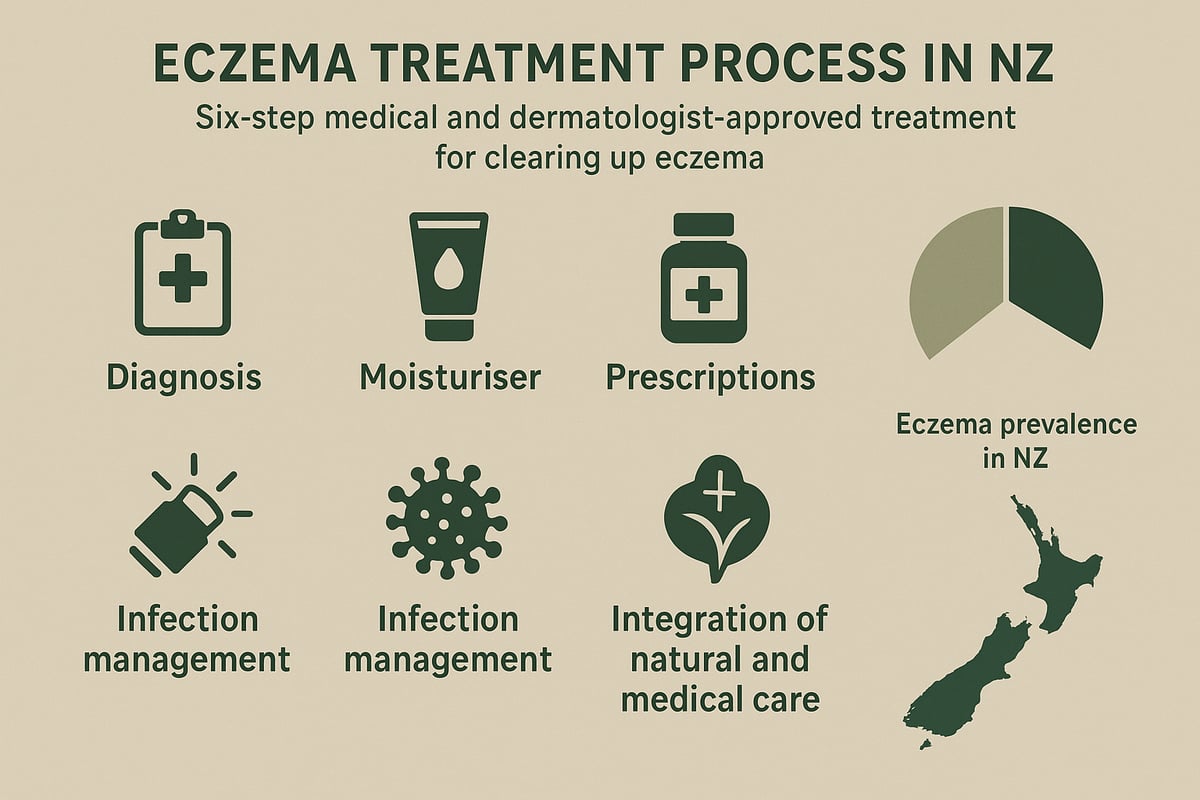
Living with eczema can feel overwhelming, but following a step-by-step approach can help you clear up eczema and regain confidence in your skin. Here’s how experts recommend moving from diagnosis to daily management, using the latest strategies for 2025.
Step 1: Accurate Diagnosis and Eczema Mapping
The first step to clear up eczema is getting a precise diagnosis from a dermatologist or GP. They’ll assess your skin, ask about your history, and may use patch testing to pinpoint allergies. Eczema mapping helps identify which areas are worst affected, so your treatment can be tailored. Knowing your triggers makes it easier to avoid future flares. Early intervention is key.
Step 2: Moisturisation & Skin Barrier Repair
Restoring your skin barrier is essential to clear up eczema and prevent irritation. Choose fragrance-free, ceramide-rich moisturisers that hydrate deeply without causing stinging. Emollient therapy should be done several times daily, especially after bathing. Apply moisturiser within three minutes of washing to lock in moisture. Consistency is crucial—think of it as daily armour for sensitive skin.
- Use thick creams or ointments
- Avoid products with alcohol or fragrance
- Try layering with natural oils for extra protection
Step 3: Prescription Treatments in 2025
When over-the-counter care isn’t enough to clear up eczema, your doctor may prescribe stronger medications. Topical corticosteroids remain a mainstay, but new guidelines in 2025 focus on minimising side effects. Non-steroidal creams like calcineurin inhibitors and PDE4 inhibitors are now widely used for sensitive areas. For severe cases, oral medications and biologics offer hope, reducing inflammation from within.
- Topical corticosteroids (short courses)
- Non-steroidal creams for long-term use
- Oral therapies for persistent cases
Step 4: Targeted Phototherapy and Light Treatments
Phototherapy is gaining traction as a safe, targeted way to manage stubborn eczema. UVB light therapy can help reduce inflammation and itching for those who don’t respond to creams. Home phototherapy devices are now available, offering convenience and control. Always use these treatments under medical supervision to avoid burns or other risks. Light therapy can be life-changing for some families.
Step 5: Managing Flares and Preventing Infection
Frequent flares can disrupt life, but a proactive approach keeps skin healthier. Antibacterial washes and diluted bleach baths help reduce bacteria on the skin, lowering infection risk. Watch for signs like increased redness, pus, or fever, which may signal a secondary infection. Oral antibiotics or antivirals are sometimes necessary. Keeping nails short and avoiding scratching can also protect your skin barrier.
- Cleanse gently with antibacterial washes
- Use bleach baths as recommended
- Consult your doctor if infection is suspected
Step 6: Integrating Medical and Natural Approaches
For the best chance to clear up eczema long-term, many Kiwis are blending medical treatments with trusted natural options like full-spectrum New Zealand Mānuka extract. Ongoing professional monitoring ensures safety and progress. To dig deeper into a comprehensive plan, see the Clearing Eczema: Step-by-Step Guide for extra tips and support. Combining pharmacy solutions with natural remedies gives your skin the best of both worlds, making lasting relief more achievable.
Natural Innovations: The Role of New Zealand Mānuka Extract in Eczema Care
Struggling to clear up eczema with harsh creams or steroids? More Kiwis are turning to nature for answers. The demand for gentle, plant-based alternatives is rising, especially as people grow wary of steroid side effects like skin thinning and irritation. Natural options are front and centre for families seeking long-term relief that fits into daily life.
Why Natural Solutions Are in Demand
People want to clear up eczema without risking long-term side effects. Concerns about steroid withdrawal and increased awareness of what goes onto skin have sparked a shift. Many now look for plant-based products that are gentle enough for everyday use, especially for children and those with sensitive skin.
- Plant-based remedies are trending for sensitive skin
- Consumers value transparency and local sourcing
- Natural extracts are seen as safer for long-term care
This move towards natural solutions is changing how Kiwis care for their skin, with Mānuka extract leading the way.
Science Behind Mānuka Extract for Eczema
Mānuka extract offers a powerful combination of antimicrobial, anti-inflammatory, and skin-repairing properties. Clinical studies show that Mānuka honey and its extracts can help relieve redness, itching, and irritation—key symptoms people face when trying to clear up eczema.
Researchers have found that Mānuka’s unique compounds, like methylglyoxal, help defend against bacteria and calm inflamed skin. These benefits make it a promising addition to both daily routines and flare-up management.
New Zealand’s Unique Mānuka: What Sets It Apart
Grown in the wild bushlands of New Zealand, Mānuka is unlike any other plant. Its native habitat and climate contribute to high levels of bioactive compounds, making NZ Mānuka especially potent for skin support.
Full-spectrum extraction methods ensure that all beneficial components—antioxidants, enzymes, and natural oils—are preserved. This means you get the maximum benefit from every drop, supporting efforts to clear up eczema naturally and effectively.
Waipu Extracts: Full-Spectrum Mānuka for Eczema Relief
Waipu Extracts is a NZ leader in natural eczema solutions, trusted by families and dermatologists alike. Their proprietary extraction process captures the full spectrum of Mānuka’s healing power, ensuring high efficacy and purity in every batch.

Product range highlights:
- Full Spectrum Mānuka Extract: Pure, potent relief
- Hyper Blend: Enhanced with native botanicals for extra soothing
- Skin Rescue Balm: Intense hydration for stubborn flare-ups
Customers share stories of rapid relief—less redness, reduced itching, and fewer flares. Waipu’s products are suitable for all ages and skin types, with free express shipping across NZ. For more details on top-rated options, see Best Products for Eczema Relief.
How to Use Mānuka Extract Safely and Effectively
Always patch test before fully applying any new product. You can use Mānuka extract directly, mix it with your favourite fragrance-free moisturiser, or try a balm for targeted relief.
- Apply 1–2 times daily after cleansing
- Monitor for any sensitivity or changes
- Adjust routine based on skin’s response
Consistency is key. With the right approach, Mānuka can help clear up eczema without harsh chemicals.
Real-World Results: NZ Case Studies and Testimonials
Across New Zealand, families are seeing real improvements. Many report fewer sleepless nights and a visible drop in flare frequency after adding Waipu’s Mānuka extract to their routines.
Dermatologists note that combining natural extracts with medical care helps clear up eczema more effectively, especially for those seeking gentle, long-term solutions.
Building Your Daily Eczema-Friendly Routine
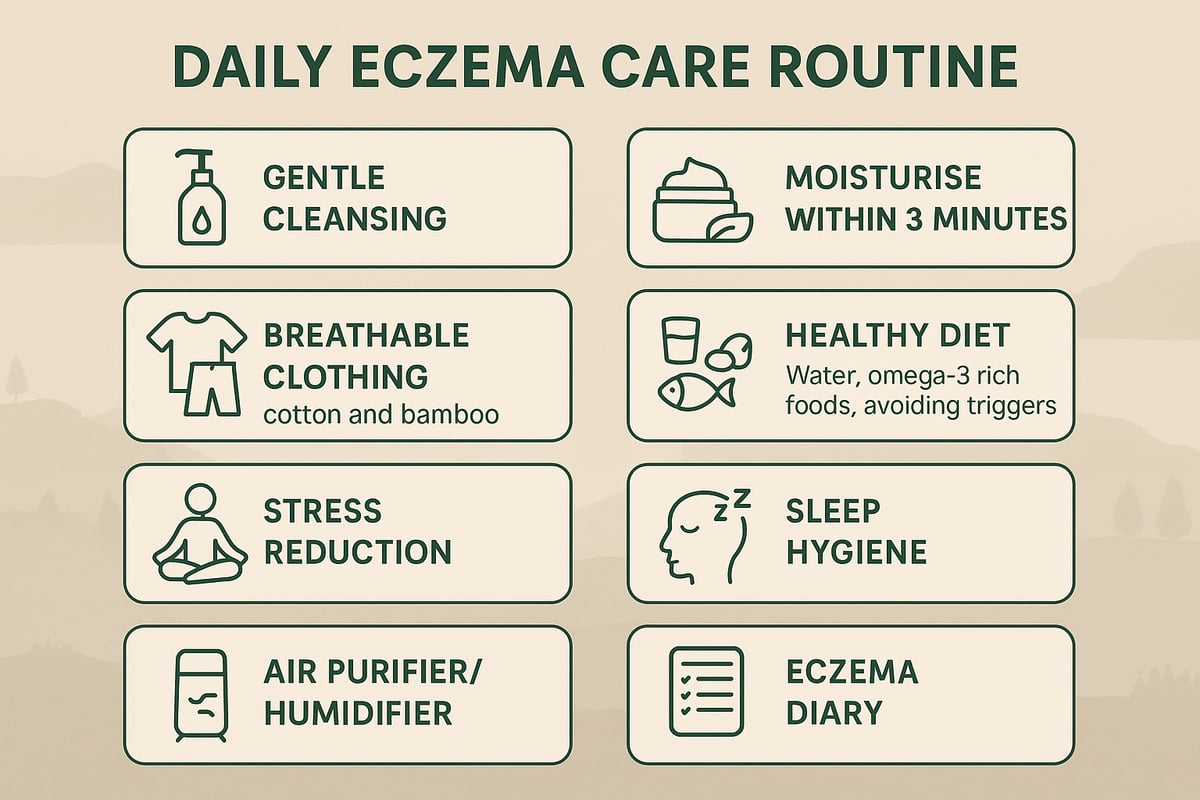
Establishing a daily routine is essential to clear up eczema and maintain healthy skin over time. Small, consistent choices each day can make a big difference in reducing flare-ups and discomfort. Let’s break down the steps to build an eczema-friendly lifestyle that truly supports your skin.
Morning and Night: Essential Skincare Steps
Start and end your day with gentle, soap-free cleansing to avoid stripping natural oils. After bathing, apply moisturiser within three minutes to lock in hydration. Layer a ceramide-rich emollient first, then use a protective balm containing Mānuka extract for added relief. This helps clear up eczema by restoring your skin barrier and preventing dryness. Remember, consistency is key.
- Use lukewarm water instead of hot.
- Pat skin dry with a soft towel.
- Apply products in the same order each time.
Choosing Safe Clothing and Bedding
What you wear matters for sensitive skin. Choose breathable, natural fibres like cotton or bamboo for both clothing and bedding. Avoid wool and synthetic materials which can irritate and worsen symptoms. Loose-fitting garments help your skin breathe, reducing friction and sweat that can trigger eczema. Fresh, clean fabrics go a long way to comfort and help clear up eczema over time.
Diet and Hydration for Skin Health
Your diet can influence how well you clear up eczema. Some people find that dairy or eggs trigger symptoms, while foods rich in omega-3s, like salmon or flaxseed, can be soothing. Drink plenty of water throughout the day to support skin hydration. Keeping a food diary may help identify triggers unique to you.
- Include fresh fruits and vegetables.
- Limit processed and sugary foods.
- Aim for regular meals and snacks.
Managing Stress and Sleep Quality
Stress is a common trigger for eczema flares. Practise mindfulness or meditation to help keep stress in check. Good sleep hygiene, like maintaining a regular bedtime and reducing screen time, is also vital. When you prioritise rest and relaxation, you support your body’s ability to clear up eczema and recover from irritation.
Environmental Controls at Home
Make your home a safe haven for your skin. Use humidifiers in dry weather and air purifiers to reduce allergens. Wash bedding in fragrance-free detergent, and vacuum regularly to keep dust mites at bay. Choose gentle cleaning products to avoid irritating your skin further. These steps create an environment that supports your journey to clear up eczema.
Tracking Progress and Flare Patterns
Keep a daily eczema diary or use a digital tracking app. Record symptoms, triggers, and treatments to spot patterns and adjust your routine as needed. If you notice persistent or worsening flares, consult your healthcare provider. For extra guidance, check out Eczema Flare-Ups: Prevention Tips for practical advice on managing and preventing flares. Tracking empowers you to make informed decisions and clear up eczema more effectively.
Preventing Eczema Flares: Long-Term Strategies for 2025
Living with eczema often means managing the ups and downs of flare-ups. The good news? With the right long-term strategies, you can clear up eczema and keep your skin healthy well into 2025.
Identifying and Avoiding Personal Triggers
To clear up eczema long-term, start by understanding what sparks your symptoms. Allergens in food, dust, or pollen can be hidden culprits. Patch testing with your doctor, or trying an elimination diet, can pinpoint triggers unique to you.
Keep an eye on seasonal changes or hormonal shifts, as these can influence flare patterns. By knowing your personal triggers, you can confidently clear up eczema before it starts.
Building Skin Resilience Over Time
Building a healthy skin barrier is like fortifying a castle. Apply moisturiser regularly, especially ceramide-rich or Mānuka-infused formulas, to help clear up eczema and prevent dryness.
Wearing protective gloves during chores, and choosing soft, breathable fabrics, also reduces skin irritation. These daily habits slowly strengthen your skin, making it less reactive over time.
Immunity and Gut Health Connection
Emerging research links gut health to the ability to clear up eczema. Adding probiotics and prebiotics to your diet can help balance the immune system and reduce inflammation.
Scientists are finding that a healthy gut may mean fewer flare-ups and better skin resilience. Simple changes, like eating yoghurt or fermented foods, could make a big difference.
Vaccinations, Infections, and Eczema
Vaccinations and viral infections can sometimes affect how you clear up eczema. While vaccines are safe and important, some people notice temporary changes in their skin after immunisation.
If you or your child has eczema, talk to your healthcare provider about the best vaccination schedule. Always monitor for signs of infection, and seek help if flares get worse.
Community Support and Resources
You are not alone in your journey to clear up eczema. New Zealand boasts active support groups and online forums where you can share tips and encouragement.
Financial and emotional support is available for families dealing with severe eczema. Connecting with others can be a powerful tool in your long-term management plan.
Future Trends: What’s Next in Eczema Care?
The future of eczema care looks promising. Advances in personalised medicine, like genetic testing, are helping tailor treatments to each person. New therapies and the use of AI-driven apps are making it easier to track symptoms and get expert advice.
For a deeper look at where eczema care is heading worldwide, check out these global trends in eczema prevalence. Staying informed is key to finding the best ways to clear up eczema for good.
Summary Table: Long-Term Eczema Prevention
| Strategy | How It Helps | Example |
|---|---|---|
| Trigger Identification | Avoids flare-ups | Patch testing, diaries |
| Skin Barrier Support | Reduces dryness and itching | Moisturisers, Mānuka |
| Gut Health Optimisation | Lowers inflammation | Probiotics, prebiotics |
| Infection Control | Prevents complications | Hand hygiene, vaccines |
| Community Connection | Offers support and resources | NZ forums, support |
| Future Innovations | Personalised, tech-driven care | AI apps, new therapies |