

Eczema is more common than ever, touching the lives of children and adults around the world. As we move into 2025, people are searching for advanced and natural answers to soothe eczema on skin and restore comfort.
This expert-backed guide explores everything you need to know, from causes and symptoms to the latest therapies and holistic care options. We shine a spotlight on new research, breakthrough treatments, and gentle solutions like New Zealand Mānuka extract.
Ready to discover proven strategies, innovative products, and practical tips? Take control of your skin health with the knowledge and support you deserve.
Understanding Eczema: Causes, Types, and Risk Factors
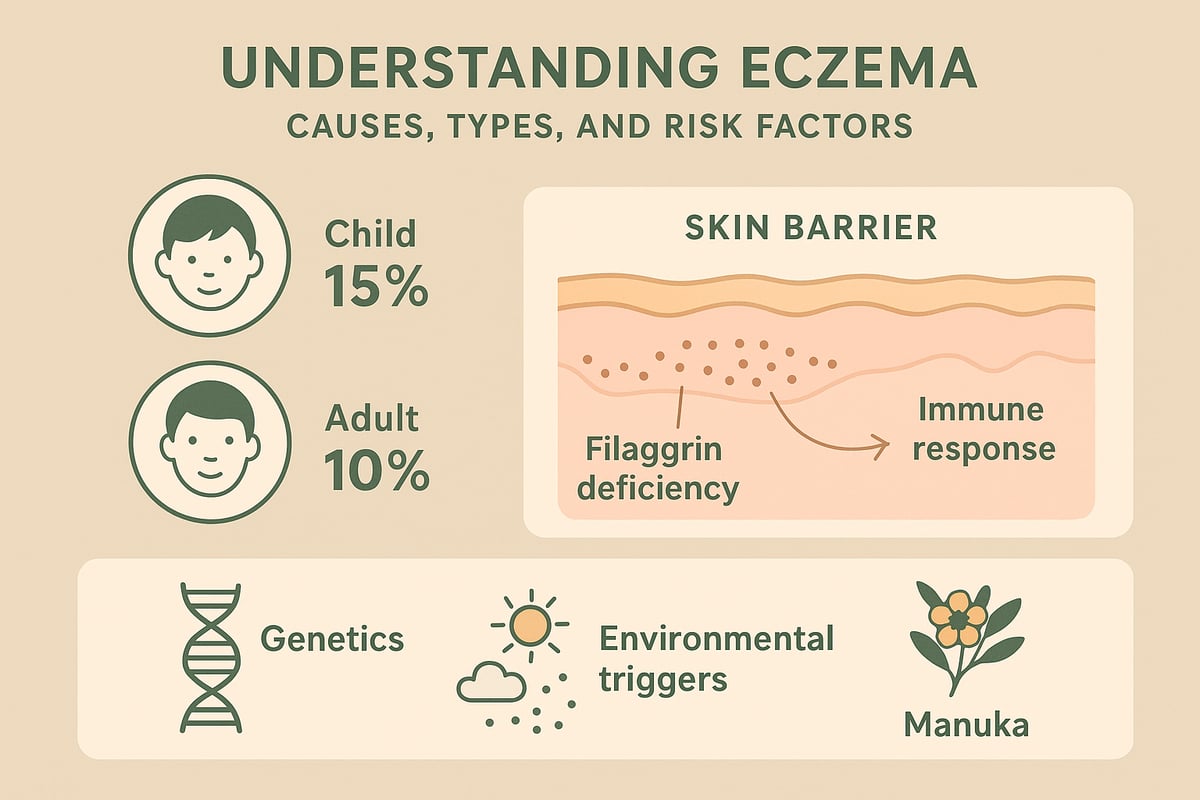
Eczema on skin is more than just an itch—it's a chronic, inflammatory condition that affects millions globally. While not contagious, it creates daily challenges for both children and adults. Genetics play a significant role, with family history often setting the stage for flare-ups. Immune system overactivity and a weakened skin barrier, often due to filaggrin deficiency, make the skin vulnerable to irritation and infection. In fact, up to 15% of children and 10% of adults live with eczema on skin, according to global eczema prevalence statistics. Most cases begin before age five, but anyone can develop symptoms at any age.
What is Eczema? Defining Atopic Dermatitis
Eczema on skin, often referred to as atopic dermatitis, is a long-term condition marked by red, inflamed, and itchy patches. It is not infectious, but it can be distressing, especially for families managing persistent symptoms. Central to its development is a compromised skin barrier, sometimes linked to a lack of filaggrin—a protein essential for skin strength and hydration. When this barrier is weak, allergens and irritants penetrate easily, triggering inflammation.
The immune system also plays a part, often overreacting to harmless substances. Genetics increase the likelihood, so if parents have eczema, asthma, or hay fever, children are at higher risk. Many cases of eczema on skin appear before a child's first birthday, making early recognition vital.
Types of Eczema
There are several forms of eczema on skin, each with unique patterns and triggers. The most common is atopic dermatitis, which often runs in families and appears in early childhood. Contact dermatitis develops when the skin reacts to irritants or allergens, such as soaps, detergents, or fragrances.
Discoid eczema forms round, itchy patches, while dyshidrotic eczema causes small blisters, usually on the hands and feet. Seborrhoeic eczema tends to affect areas rich in oil glands, like the scalp and face. Seniors can face unique challenges, as skin naturally thins and dries with age, making them more vulnerable to symptoms.
| Type | Common Triggers | Typical Age Group |
|---|---|---|
| Atopic Dermatitis | Genetics, allergens | Infants, children |
| Contact Dermatitis | Soaps, chemicals | All ages |
| Discoid Eczema | Dry skin, injury | Adults |
| Dyshidrotic Eczema | Stress, sweat | Adults, teens |
| Seborrhoeic Eczema | Oil glands, yeast | Infants, adults |
Key Risk Factors and Triggers
Several factors increase the risk of developing eczema on skin. A family history of eczema, allergies, or asthma is a strong predictor. Environmental influences—like climate, pollution, and household irritants—can also set off flare-ups. Stress and hormonal changes are common triggers, especially in teens and adults.
Diet may play a role, but food restrictions should only be made under medical advice. Children with eczema on skin have up to an 80% risk of developing asthma or allergic rhinitis, a progression known as the atopic march. Notably, 60% of those affected show symptoms by age one, highlighting the importance of early intervention and holistic support.
Recognising Eczema: Symptoms and Diagnosis
Understanding the signs of eczema on skin is the first step to finding relief. Whether you are a parent worried about your child’s rash or an adult dealing with flare-ups, knowing what to look for can make all the difference.
Common Symptoms Across Ages
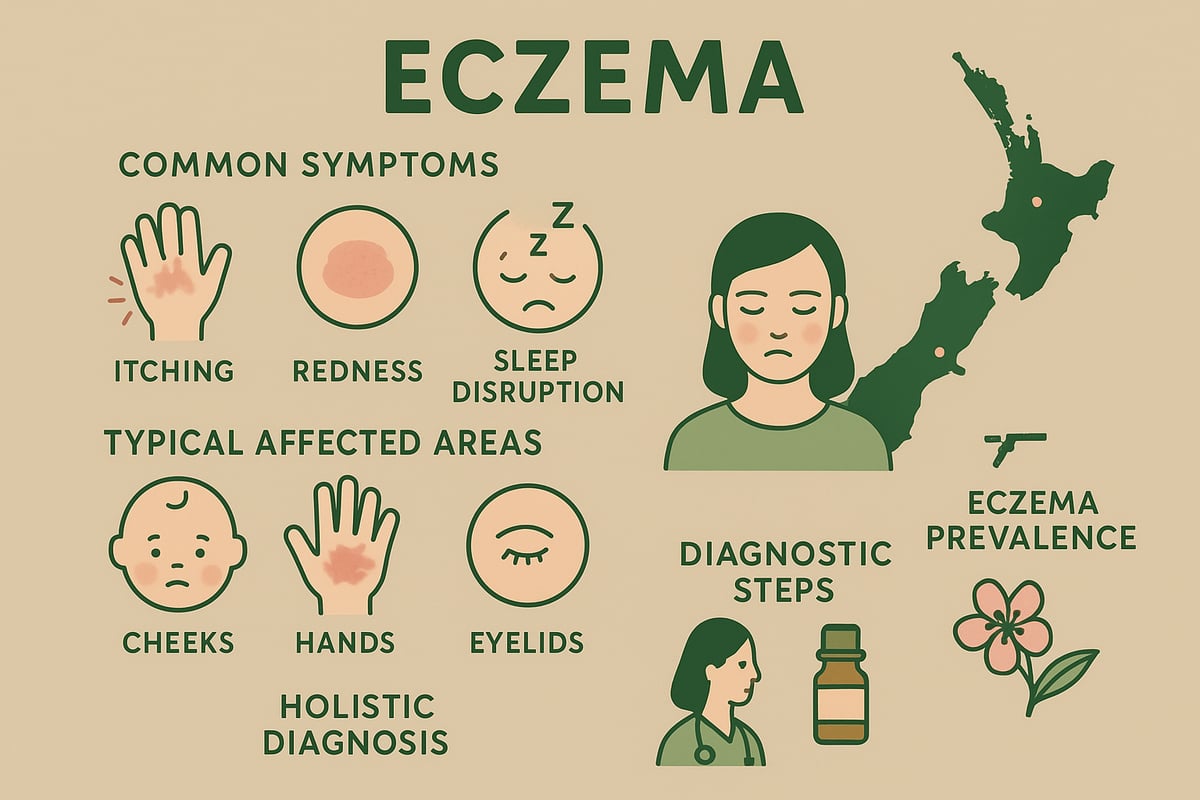
Eczema on skin often starts with persistent itching and red or inflamed patches. In infants, you’ll usually see these changes on the cheeks, scalp, or behind the knees. Older children often have symptoms in the elbow creases, knees, wrists, or ankles. For adults, eczema on skin may appear on the hands, face, neck, or eyelids.
Typical symptoms include:
- Intense itching, especially at night
- Dry, scaly, or thickened skin
- Redness and swelling
- Blisters that may ooze or crust over
- Skin that becomes raw from scratching
Severe itching can disrupt sleep and daily routines. Infants might rub their face against bedding to relieve the itch, while children and adults may scratch, increasing the risk of infection. Some people also experience changes in skin colour or texture in areas affected by eczema on skin.
Diagnostic Process: From Self-Assessment to Specialist Care
If you notice eczema on skin, start by tracking your symptoms and any possible triggers. Note when flare-ups happen and which areas are affected. This information is valuable for your healthcare provider.
A doctor will review your medical history and may perform a physical examination. Dermatologists and allergists are experts in diagnosing eczema on skin. They may recommend patch or prick testing to check for allergies that could be making your symptoms worse.
It’s important to rule out other skin conditions like psoriasis or fungal infections, as these can look similar. If you notice widespread redness, fever, or signs of infection, seek urgent medical care. For more details about eczema affecting the face and how to tell it apart from other issues, see the eczema on facial skin guide.
The Link Between Eczema and Allergies
Many people with eczema on skin also have allergies, especially children. Studies show that 33 to 63 percent of kids with moderate to severe eczema have food allergies as well. The most common culprits are eggs, dairy, peanuts, soy, and wheat.
Doctors only recommend food allergy testing for children with persistent or severe eczema on skin. Infants with both eczema on skin and an egg allergy are at higher risk of developing a peanut allergy. If you suspect allergies are making your eczema worse, talk to your specialist about tailored testing and management.
Recognising the signs and getting the right diagnosis helps you take control and find the best path to healthy, comfortable skin.
Innovative Treatments for Eczema in 2025
Finding effective solutions for eczema on skin is more promising than ever in 2025. With research breakthroughs and a shift towards holistic care, both conventional and natural therapies are evolving to offer relief that is safer, more targeted, and more sustainable for all ages.
Advances in Medical Therapies
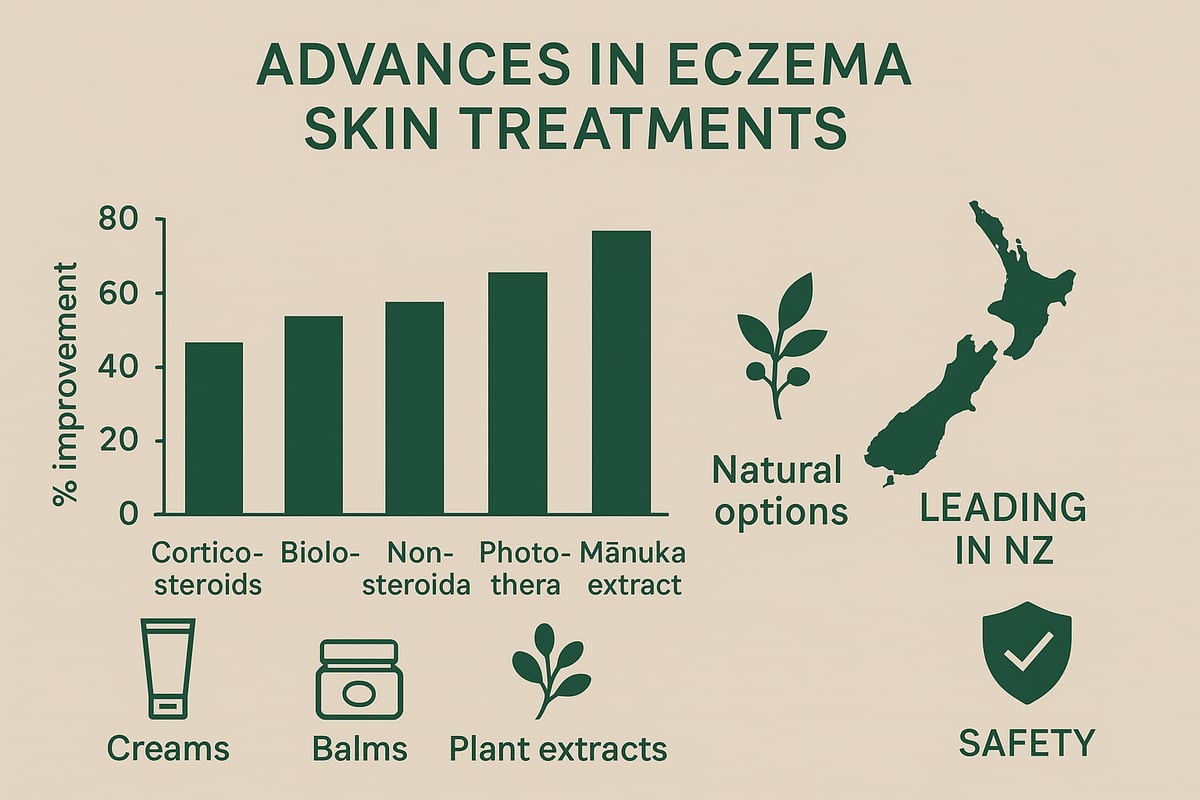
The treatment landscape for eczema on skin has expanded significantly. Traditional topical corticosteroids remain essential for managing flare-ups, but careful monitoring is now standard to minimise side effects.
Non-steroidal options, such as topical calcineurin inhibitors and crisaborole, are gaining popularity for sensitive areas and long-term use. The arrival of biologic therapies, like dupilumab, is a game changer, especially for moderate to severe cases in both children and adults. These biologics target specific immune pathways, reducing inflammation with fewer systemic effects.
Oral medications, including immunosuppressants and JAK inhibitors, are reserved for stubborn eczema on skin that doesn't respond to topical therapies. Phototherapy using controlled UV light is another option for chronic cases, offering relief when creams alone are not enough.
Safety and efficacy are top priorities in 2025. Newer drugs provide targeted relief with a lower risk of side effects, giving hope to those with persistent eczema on skin.
The Role of Natural Solutions: Spotlight on Mānuka Extracts
Alongside pharmaceuticals, there is growing interest in natural solutions for eczema on skin. Many families and individuals seek gentler, chemical-free options that support sensitive or compromised skin. New Zealand’s Mānuka extract is at the forefront of this movement.
Scientific studies highlight Mānuka’s unique anti-inflammatory and antimicrobial properties, making it ideal for soothing eczema on skin. Full-spectrum Mānuka extracts, unlike single-compound alternatives, preserve the plant's full range of beneficial molecules. This helps restore the skin barrier, calm redness, and reduce itching.
New Zealand companies have pioneered the use of Mānuka in skincare, harnessing its power for natural relief. Customers report noticeable improvements in itch, healing, and comfort—often within just weeks. For many, Mānuka offers a plant-based alternative to steroid creams and a path to healthier skin.
Waipu Extracts: Natural Relief with Full-Spectrum Mānuka Extract
Waipu Extracts, based in New Zealand, is setting a new standard for natural eczema on skin care. Their innovative extraction process preserves the entire spectrum of Mānuka’s active compounds, ensuring maximum efficacy and purity.
Signature products like Hyper Blend and Skin Rescue Balm are specifically formulated for eczema on skin, sensitive skin, and those recovering from topical steroid use. These balms and oil blends are gentle enough for adults, children, and even infants, offering a steroid-free path to comfort.
With free express shipping within NZ, glowing customer reviews, and a commitment to quality, Waipu Extracts stands out as a trusted provider. For those seeking a natural solution, their Eczema relief collection overview offers a comprehensive look at options designed for real-world results.
Everyday Eczema Management: Lifestyle, Triggers, and Prevention
Managing eczema on skin every day is about more than just creams. Your daily choices, routines, and environment can make a huge difference to flare-ups and comfort. Let’s break down the practical steps and habits that help keep eczema on skin calm and under control.
Daily Skincare and Bathing Routines
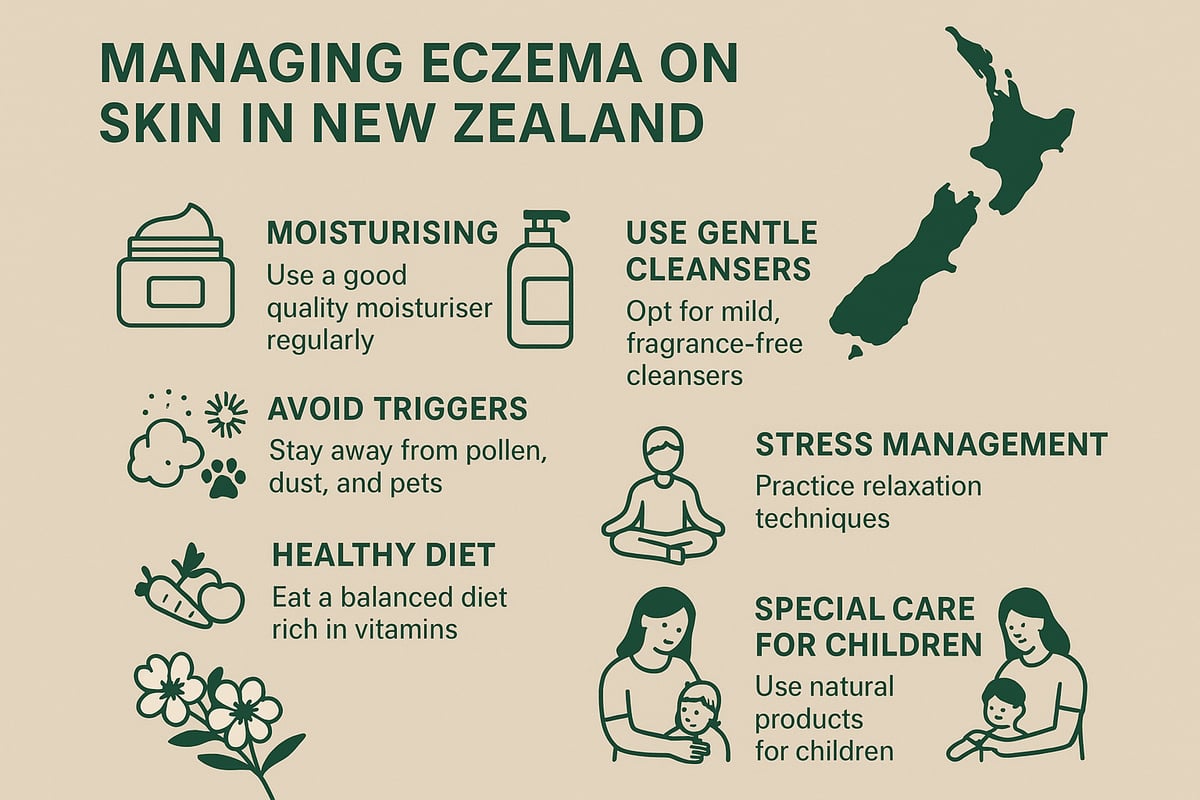
A gentle, consistent skincare routine is the foundation for managing eczema on skin. Start with a lukewarm bath or shower, and always use fragrance-free, pH-balanced cleansers. Harsh soaps can strip the skin, so opt for mild options designed for sensitive skin.
Right after bathing, pat dry and apply a thick layer of emollient or moisturiser. The “soak and smear” method helps lock in moisture, which is vital for repairing the skin barrier in eczema on skin. Choose soft cotton clothing and steer clear of wool or synthetic fibres that can cause irritation.
- Bathe in lukewarm water, not hot.
- Moisturise within three minutes of bathing.
- Wear breathable, natural fabrics.
These simple steps can help reduce dryness and itching, making daily life with eczema on skin much more manageable.
Identifying and Avoiding Triggers
Knowing what sets off eczema on skin is half the battle. Common triggers include soaps, detergents, perfumes, dust mites, pet dander, pollen, and changes in weather. Keep a symptom diary to spot patterns and pinpoint your personal triggers.
Environmental control is key. Use hypoallergenic bedding, clean regularly to reduce dust, and consider a humidifier in dry climates. For more expert eczema relief tips, check trusted resources that offer practical advice on avoiding flare-ups.
- List all new products before using them.
- Track symptoms daily for a few weeks.
- Adjust your environment as needed.
Taking these steps can help you avoid unnecessary discomfort from eczema on skin.
Nutrition, Hydration, and Diet
Staying well-hydrated is crucial for anyone managing eczema on skin. Water supports skin health and can make a visible difference in flare frequency. While some foods may trigger eczema on skin in certain people, avoid restricting foods unless under medical supervision.
Common food triggers include dairy, eggs, peanuts, soy, and wheat. However, unnecessary elimination diets can impact growth in children. Work with your doctor or a qualified dietitian if you suspect food is making eczema on skin worse.
- Drink plenty of water each day.
- Monitor reactions to new foods.
- Only try elimination diets with professional guidance.
Balanced nutrition supports the skin’s natural barrier, giving eczema on skin a better chance to heal.
Stress, Sleep, and Mental Health
Stress is a common trigger for eczema on skin. Learning to manage stress through mindfulness, relaxation, or counselling can help break the itch-scratch cycle. Sleep can be disrupted by itching, so establish a calming night-time routine and keep nails short to prevent damage.
If itching keeps you or your child awake, speak with your healthcare provider about safe options, such as antihistamines. Support groups and mental health resources are valuable for emotional wellbeing, especially when living with eczema on skin.
- Practice deep breathing or meditation.
- Keep a regular sleep schedule.
- Seek support from family or professionals.
Looking after your mind is just as important as caring for the skin affected by eczema on skin.
Special Considerations for Infants and Children
Eczema on skin in babies and children needs extra attention. Use lukewarm baths, gentle cleansers, and moisturisers designed for young skin. To prevent scratching, try mittens, keep nails trimmed, and use distraction when itching starts.
School and social situations can be challenging for kids with visible eczema on skin. Open communication with teachers and classmates can help reduce stigma and support your child’s confidence.
- Moisturise babies after every bath.
- Use soft mittens to prevent scratching.
- Work with schools for extra support.
With patience and the right care, you can help your child live comfortably with eczema on skin.
Living with Eczema: Long-Term Care and Support
Living with eczema on skin is a journey that demands ongoing care, resilience, and the right support. While flare-ups can feel overwhelming, many people find lasting relief by combining expert medical guidance, holistic self-care, and strong support networks. Here’s how to navigate long-term eczema management with confidence.
Coping with Chronic Eczema
Accepting that eczema on skin is a chronic, relapsing condition is the first step towards effective long-term care. Regular check-ins with your dermatologist or allergist are crucial, as they help tailor your treatment plan and monitor for complications like skin infections or scarring.
Creating an individualised eczema action plan is empowering. This should include:
- Daily skincare routines and trigger avoidance
- Early recognition and management of flare-ups
- Knowing when to seek medical help
For many, learning to spot the early signs of a flare and acting quickly can prevent severe outbreaks. If you’re looking for practical tips, the Eczema and flare-up management guide offers actionable steps for controlling eczema on skin day-to-day.
Impact on Quality of Life
Eczema on skin can affect much more than your appearance. The persistent itch, pain, and visible rashes often lead to anxiety, low self-esteem, and even depression. For children, bullying or feeling “different” can be especially tough.
Pigmentation changes and scarring can become long-term reminders, but many people adapt with support and the right strategies. Patient stories highlight resilience in the face of daily challenges, from managing sleep disruption to finding clothing that doesn’t irritate sensitive skin.
Building a supportive environment at home, school, or work makes a real difference. Open conversations about eczema on skin help reduce stigma and foster understanding.
Support Networks and Resources
Navigating eczema on skin is easier with a strong network behind you. National organisations like the New Zealand Eczema Association connect people to expert advice, up-to-date research, and local support groups. Online forums and educational materials help families, teachers, and employers understand what living with eczema means.
Staying informed is key. Resources such as Atopic dermatitis data trends provide insights into prevalence, treatment advances, and ongoing challenges in managing eczema on skin. Regularly reviewing new therapies and sharing experiences with others can help you feel less isolated and more empowered to advocate for your own care.
Looking Ahead: Future Trends and Research in Eczema Care
Change is on the horizon for eczema on skin, and 2025 is set to bring exciting new options for those seeking relief. With ongoing research, natural innovations, and a focus on patient voices, the future of skin health is looking brighter.
Emerging Therapies and Technologies
The next wave of treatments for eczema on skin is driven by science and personalisation. New biologic medicines, like targeted antibodies, are changing the game for those with moderate to severe symptoms. Oral JAK inhibitors are helping people who haven't found relief with standard therapies.
Advances in genetic testing and microbiome research are opening doors to tailor-made care. Smart devices and teledermatology make it easier than ever to connect with specialists from anywhere in New Zealand. According to the eczema market report 2025, the demand for advanced therapies and innovative solutions is expected to grow rapidly in the coming years.
The Rise of Natural and Sustainable Skincare
As more people seek gentle options for eczema on skin, natural products are stepping into the spotlight. New Zealand is leading the way with plant-powered solutions, especially full-spectrum Mānuka extract. This unique extract, sourced sustainably from native Mānuka, offers anti-inflammatory and antimicrobial benefits without harsh chemicals.
Consumers want transparency, traceability, and a focus on both skin and environmental health. Mānuka extract products are designed to restore the skin barrier, soothe irritation, and are suitable for sensitive or steroid-affected skin. The move towards clean, ethical skincare is transforming how we care for eczema on skin.
The Importance of Patient-Centred Care
The future of eczema on skin care is all about putting patients first. Involving people in their treatment decisions, listening to their experiences, and respecting cultural needs is essential. In New Zealand, this means providing care that honours Māori and Pacific traditions alongside the latest science.
Education empowers individuals to advocate for better treatment and actively participate in research. Support networks, local communities, and digital resources are helping families navigate the ups and downs of living with eczema on skin.
Key Statistics and Outlook
By 2025, eczema on skin is projected to affect even more children and adults worldwide. Access to affordable, effective treatments remains a top priority. According to trends in eczema prevalence, rates are rising, especially in urban areas.
The outlook is hopeful, with ongoing innovation, a stronger focus on holistic care, and New Zealand’s leadership in sustainable skincare. With the right support and solutions, lasting relief is within reach.
We’ve covered a lot about eczema—from what causes those frustrating flare ups to new therapies and the promise of natural care like full spectrum Mānuka extract. If you’re ready to put expert insights into action and want a gentle, effective option rooted in science and nature, you don’t have to wait. I encourage you to explore how Mānuka’s unique properties can support your skin’s healing journey. You deserve relief and confidence in your own skin. Take the next step and Get Your Mānuka Extract Today.