

Steroid ointments can be a game-changer for skin health, but using them incorrectly may cause more harm than good. In New Zealand, skin conditions like eczema and dermatitis continue to affect thousands, and the use of skin steroid ointment is on the rise.
To get the most from your treatment, it is essential to know how to use a skin steroid ointment safely and effectively in 2025. This guide will walk you through the latest expert advice, best practices, and natural alternatives.
You'll learn what steroid ointments are, when to use them, updated safety tips, new research, and how options like mānuka extract can support your skin health.
Understanding Skin Steroid Ointments
Skin conditions like eczema and dermatitis are common in New Zealand, and many Kiwis rely on a skin steroid ointment for relief. To use these treatments safely, it's important to understand what they are, how they work, and when they're appropriate. Let's break it down.
What Are Skin Steroid Ointments?
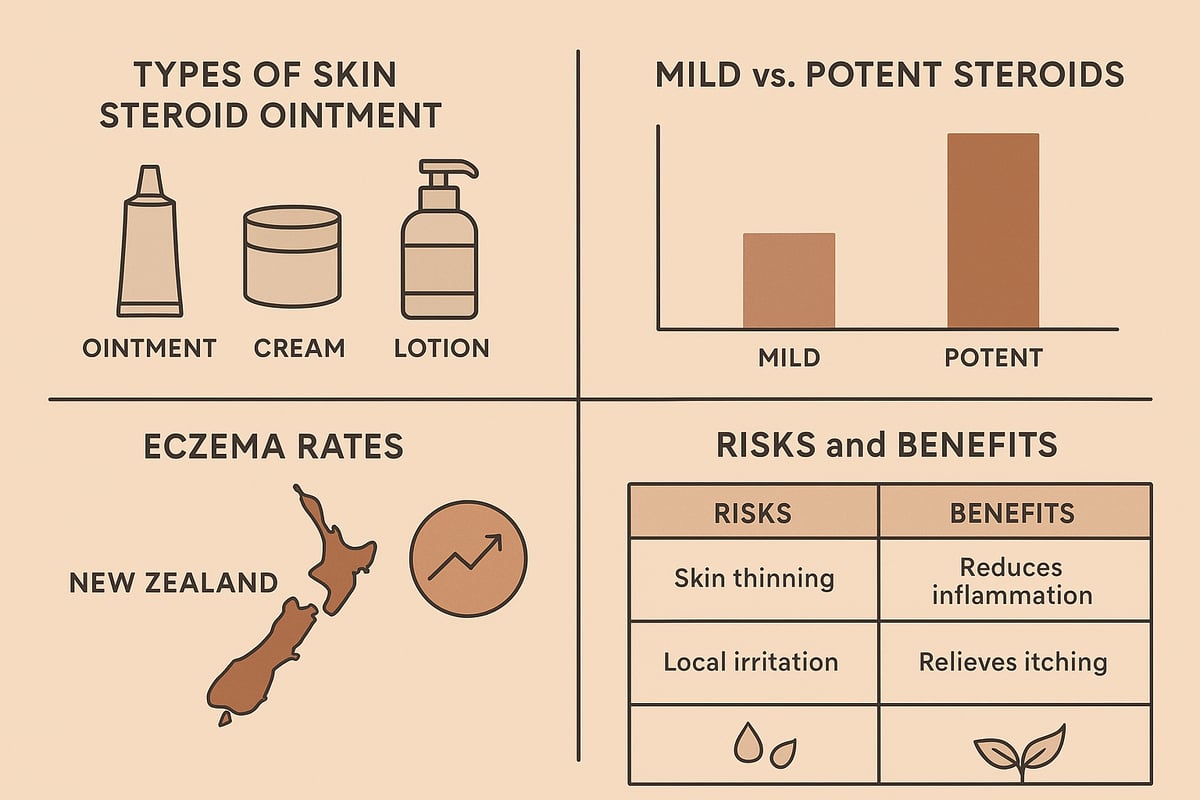
A skin steroid ointment is a topical medication containing corticosteroids, designed to reduce inflammation and calm an overactive immune response in the skin. These ointments come in different strengths, from mild (like hydrocortisone) to potent (such as betamethasone or mometasone).
They are available in several forms, including ointments, creams, and lotions. Ointments are often best for dry, thick skin, while creams and lotions suit more sensitive or moist areas.
In New Zealand, rates of eczema and dermatitis are among the highest globally. Mild steroids are typically used for sensitive areas like the face, while more potent options may be reserved for severe flare-ups on the body. Understanding which skin steroid ointment to use is the first step to safe, effective treatment.
Risks and Benefits: What You Need to Know
The benefits of using a skin steroid ointment include rapid reduction in redness, itching, and swelling, helping people return to normal life faster. When used correctly, these ointments can dramatically improve comfort and skin appearance.
However, there are risks with improper use. Overuse can thin the skin, cause visible blood vessels, or even lead to steroid withdrawal symptoms. Recent New Zealand data shows an increase in reported side effects, especially with long-term or unsupervised use. In some cases, people have developed topical steroid addiction, requiring specialist care. For a deeper understanding of these withdrawal risks, see Understanding steroid withdrawal symptoms.
Balancing the power of a skin steroid ointment with careful monitoring is essential for long-term skin health.
When Are Steroid Ointments Prescribed?
Doctors prescribe a skin steroid ointment based on your diagnosis, severity, and location of the skin problem. Short-term use is common for acute flare-ups, while long-term use is approached with caution.
Special populations, like children and the elderly, often require milder formulas and close supervision. In New Zealand, GPs and dermatologists typically follow a stepwise approach, starting with the lowest effective potency and adjusting as needed.
For example, children with eczema often start with a mild ointment, with stronger options reserved for stubborn patches. This careful prescribing helps ensure a skin steroid ointment delivers benefits without unnecessary risks.
Safe Use Steps: Best Practices for 2025
Navigating the safe use of a skin steroid ointment can feel overwhelming, especially with changing guidelines and new research every year. Let’s break it down into four clear, practical steps so you can manage your skin health confidently and responsibly.
Step 1: Correct Diagnosis and Medical Guidance
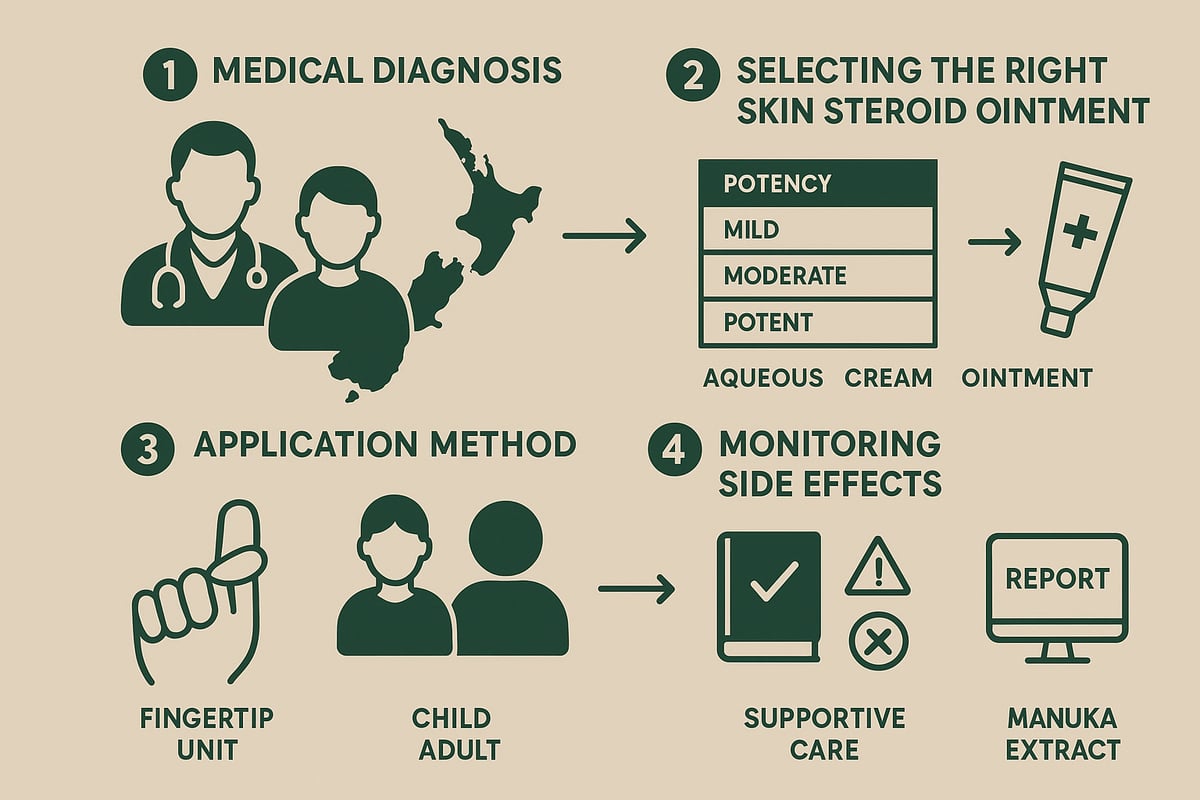
The first and most important step before starting any skin steroid ointment is getting a professional diagnosis. Many skin conditions look similar, but require different treatments. Self-diagnosis or using leftover ointments can actually make things worse.
In New Zealand, start by seeing your GP or a dermatologist. They will assess your skin, provide a clear diagnosis, and recommend the right treatment plan. For example, a child with eczema may need a different skin steroid ointment to an adult with psoriasis. Your doctor will also consider any allergies, other health conditions, and your medication history.
By following this pathway, you’ll avoid common pitfalls and ensure your skin steroid ointment is actually helping, not harming.
Step 2: Choosing the Right Steroid Ointment
Not all skin steroid ointment products are created equal. They come in various strengths, from mild (like hydrocortisone) to ultra-potent (such as clobetasol). The safest choice depends on your condition, age, and where on the body you’ll apply it.
In 2025, New Zealand is moving towards clearer labelling to help patients and prescribers match potency to need. The Topical corticosteroid potency labelling proposal aims to make it easier to understand exactly what you’re using. Always check the label and ask your pharmacist if you’re unsure.
| Condition | Potency Level | Example Use |
|---|---|---|
| Facial eczema (adults) | Low | Hydrocortisone |
| Body eczema (adults) | Moderate | Betamethasone |
| Severe psoriasis (adults) | High/Very High | Clobetasol |
For sensitive areas like the face or for children, always opt for the lowest effective potency. Your doctor will guide you in selecting the safest skin steroid ointment.
Step 3: Application Techniques and Dosage
How you use a skin steroid ointment is just as important as which one you choose. Too much, too often, or on the wrong body part can cause harm, even if you’re using the right product.
Follow the fingertip unit method: squeeze a line of ointment from the tip to the first crease of your index finger. This covers an area about the size of two adult hands. Most people apply a skin steroid ointment once or twice daily, but always stick to your doctor’s advice.
- Use a thin, even layer.
- Avoid eyes, mouth, and genitals unless prescribed.
- Wash hands before and after application.
- For children, use even less and under close supervision.
Pairing your skin steroid ointment with a gentle, New Zealand-made mānuka-based emollient can help lock in moisture and support your skin barrier.
Step 4: Monitoring, Side Effects, and Escalation
Once you start using a skin steroid ointment, keep a close eye on your skin. Watch for early signs of side effects, such as thinning, redness, or stretch marks. If you notice any changes, pause treatment and contact your healthcare provider.
Keep a simple treatment diary. Note when you apply your skin steroid ointment, any improvements, and any concerns. This record helps your GP or dermatologist adjust your plan if needed.
In New Zealand, adverse reactions can be reported through Medsafe. If your symptoms worsen or you suspect steroid withdrawal, seek help promptly. Regular check-ins with your doctor will ensure your skin steroid ointment continues to work safely for you.
Natural Alternatives and Supportive Skincare
When considering relief beyond a skin steroid ointment, many Kiwis turn to nature’s pharmacy. New Zealand is home to a rich tradition of botanical remedies that complement medical treatments, especially for sensitive or persistent skin issues. Let’s explore how natural alternatives and a gentle skincare routine can support your journey to healthier skin.
The Role of Natural Ingredients in Skin Health
Natural ingredients like mānuka, calendula, and aloe vera are gaining recognition in New Zealand for their anti-inflammatory and soothing effects. Mānuka honey, in particular, has been scientifically shown to fight bacteria and reduce irritation, making it a trusted home remedy. Many families blend these natural options alongside a skin steroid ointment to manage flare-ups and support recovery.
New research supports the use of mānuka as a complementary therapy, especially for eczema and dermatitis. The antibacterial properties of mānuka honey help prevent infection, while calendula and aloe vera calm redness and itching. This tradition of natural skincare is woven into New Zealand’s culture, offering hope for those seeking gentle, effective support. For a deeper dive into these options, see Natural alternatives for skin relief.
How Full Spectrum Mānuka Extract Can Support Skin Recovery
Waipu Extracts’ Full Spectrum Mānuka Extract is a world-first innovation from New Zealand, harnessing the full power of mānuka for skin health. Unlike standard mānuka honey, this extract contains a broader range of active compounds, maximising its soothing and regenerative effects. Many people have reported relief from eczema, acne, and dermatitis after incorporating this extract into their routines.
Scientific studies highlight mānuka’s ability to calm inflammation and promote skin repair. Customers share stories of transitioning from a skin steroid ointment to Waipu Extracts’ mānuka products, finding a more balanced, long-term approach to managing sensitive skin. Integrating these natural solutions can ease the reliance on pharmaceuticals while supporting your skin’s natural resilience.
Building a Gentle Skincare Routine
A gentle, consistent skincare routine is essential for anyone using a skin steroid ointment. Start with a fragrance-free moisturiser to repair and strengthen your skin barrier. Avoid common triggers like harsh soaps, synthetic fragrances, or rough fabrics, as these can worsen irritation.
Daily routines should be simple and soothing. Apply your prescribed ointment as directed, then follow up with a natural emollient such as mānuka-based cream. This pairing helps lock in moisture and supports healing. For children and adults alike, gentle care is the foundation of long-term skin health.
Waipu Extracts: Natural Support for Skin Health
Waipu Extracts offers New Zealand-made mānuka solutions designed to complement your skin steroid ointment and medical treatments. Their Full Spectrum Mānuka Extract is crafted to support skin recovery and promote lasting wellness. Real-world feedback shows improvements in comfort, confidence, and quality of life for people managing eczema and dermatitis.
By integrating Waipu Extracts into your routine, you can take a holistic approach to skin health, blending the best of science and nature for results you can trust.
Latest Research, Trends, and Regulatory Updates for 2025
Recent years have brought significant changes to how skin steroid ointment is understood and used in New Zealand. Let us explore what the newest research, regulatory updates, and emerging trends mean for your skin health journey in 2025.
New Studies on Steroid Ointment Safety
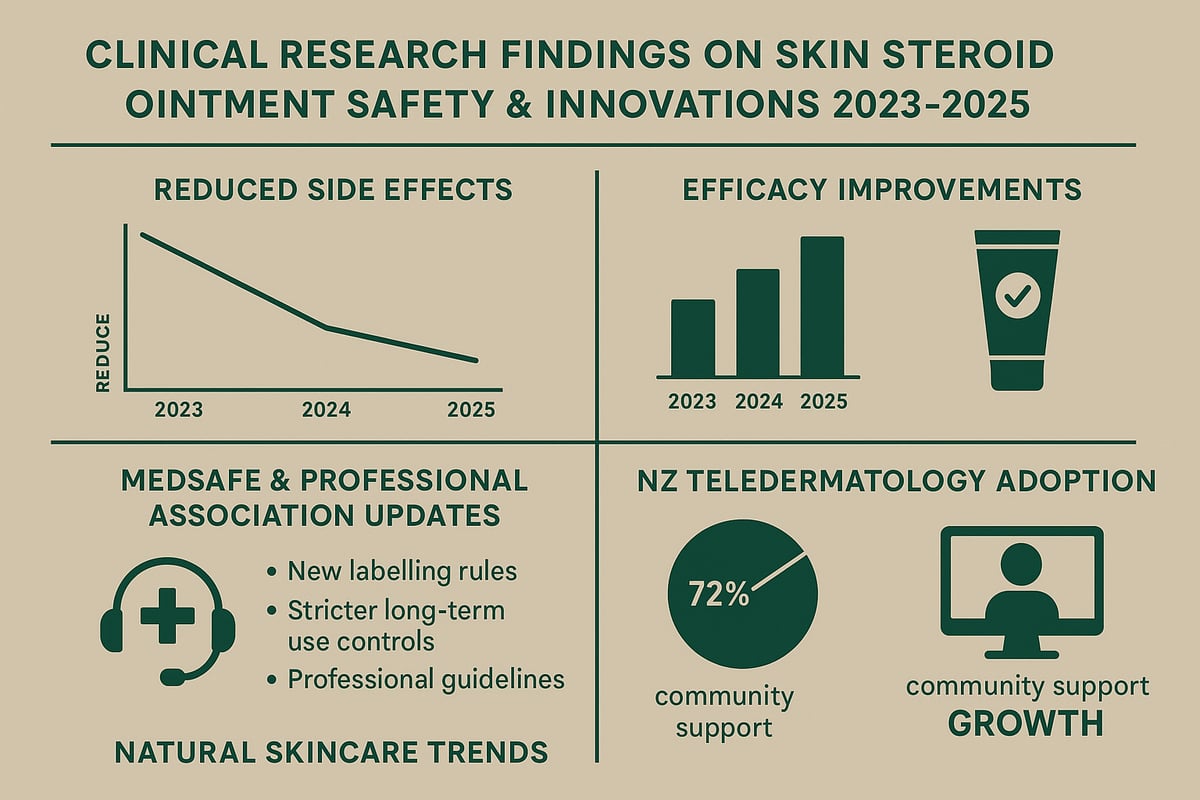
From 2023 to 2025, clinical research in New Zealand has reshaped the way we use skin steroid ointment. Studies now show that newer ointment formulations offer the same anti-inflammatory benefits with a lower risk of side effects. Innovations include barrier-enhancing ingredients and slower-release technology, making treatments safer for long-term use.
Data from recent trials found that, with updated protocols, reported adverse reactions have dropped by up to 30 percent. These advances mean that patients can achieve rapid relief from eczema and dermatitis with greater confidence. If you want to learn more about expert strategies for managing eczema, check out these expert eczema management tips.
Regulatory Changes and NZ Guidelines
In response to new evidence, Medsafe and NZ dermatology associations have introduced tighter guidelines for skin steroid ointment. Updated labelling now clearly states recommended treatment durations and maximum safe strengths. Pharmacists are required to offer more detailed advice and check for long-term use risks at every refill.
The MARC’s 201st meeting resulted in stricter controls, especially for potent steroids and repeat prescriptions. You can read more about these changes and the discussion on topical steroid withdrawal in MARC's review on topical steroid withdrawal. These steps aim to protect users from avoidable side effects, ensuring safety is always front of mind.
Emerging Trends in Skin Health and Patient Education
New Zealanders are embracing digital health, with teledermatology and app-based skin monitoring becoming more common for tracking skin steroid ointment progress. There is also a growing demand for holistic and natural skincare, with mānuka extract and other botanicals gaining momentum alongside medical treatments.
Community support groups and educational campaigns now make it easier to find trustworthy advice. Infographics tailored for the NZ community break down safe use, side effects, and when to seek help. This shift empowers patients to make informed choices and fosters a safer, more connected approach to skin health.
Frequently Asked Questions About Skin Steroid Ointments
Got questions about skin steroid ointment use? You are not alone. Here, we answer the most common queries New Zealanders have to help you use these treatments with confidence and care.
How long can I safely use a skin steroid ointment?
Most treatments are prescribed for short bursts, usually 1–2 weeks. Long-term use increases risks like thinning skin. Always follow your doctor’s advice and never extend use without a review.
Can I use skin steroid ointment on my child’s skin?
Yes, but with extra care. Children’s skin absorbs medication more easily, so only use the strength and amount prescribed by your GP. For detailed guidance, see Guidelines for childhood eczema management.
What should I do if I miss a dose?
Apply the next scheduled dose as normal. Do not double up. Sticking to a regular routine helps prevent flares, but a single missed application is not usually harmful.
Are there interactions with other skin products?
Some products, especially those with alcohol or harsh chemicals, can irritate skin or reduce the effectiveness of your skin steroid ointment. It is best to use gentle, fragrance-free moisturisers and avoid new products unless discussed with your healthcare provider.
What are signs I should stop treatment?
If you notice redness, burning, new rashes, or thinning skin, stop using the ointment and consult your doctor. Keep a diary of side effects and report any concerns. Prompt action lowers the risk of complications.
How do I transition to natural alternatives like mānuka extract?
You can gradually reduce steroid use while supporting skin with natural options. Waipu Extracts’ mānuka-based products are popular for soothing and rebuilding the skin barrier. For tips and real stories, visit Eczema relief strategies and support.
Where can I find reliable information and support in NZ?
Your GP or dermatologist is your best resource. Support groups, reputable online resources, and pharmacist advice are also valuable. For natural solutions and New Zealand-made care, Waipu Extracts offers both information and product support.
If you’re feeling overwhelmed by all the advice about steroid ointments and want to make the best choices for your skin, you’re not alone. We’ve talked about how natural solutions like mānuka can support your journey—whether you’re easing off steroids or just looking for a gentle daily routine. At Waipu Extracts, we’re passionate about using full spectrum mānuka to help soothe, protect, and restore your skin’s natural balance. If you’re curious to see what a difference a science backed, nature inspired approach can make, you can Get Your Mānuka Extract Today.