

Finding the right ointment prescription for your skin can feel overwhelming, especially with so many new options emerging in 2025. If you’re unsure where to start, you’re definitely not alone.
We’ve created this expert-backed guide to help you navigate the latest in ointment prescription choices, tailored for New Zealanders. Discover which ointments are most effective, how to apply them, and what’s new in both synthetic and natural solutions, including innovative Mānuka extract options.
Let’s take the confusion out of finding the best ointment prescription for your unique skin needs.
Understanding Ointment Prescriptions in 2025
Struggling to find the right ointment prescription for your skin? With so many new options and evolving rules in New Zealand, it’s easy to feel overwhelmed. Let’s break down what you need to know to make informed choices for healthier skin.
What Are Ointment Prescriptions?
An ointment prescription is a tailored medication, provided by a medical professional, that’s different from over-the-counter creams. In New Zealand, these are regulated by strict laws, meaning you need a doctor or nurse to prescribe them. These ointments often include ingredients like corticosteroids, antibiotics, or antifungals, chosen based on your unique skin concern.
Prescriptions are not one-size-fits-all. For example, in 2025, eczema and psoriasis treatments are increasingly personalised, with doctors often adjusting strengths or combining ingredients. Curious about the role of steroids in these ointments? You can learn more in this guide on Understanding skin steroid ointments.
Most Common Conditions Treated
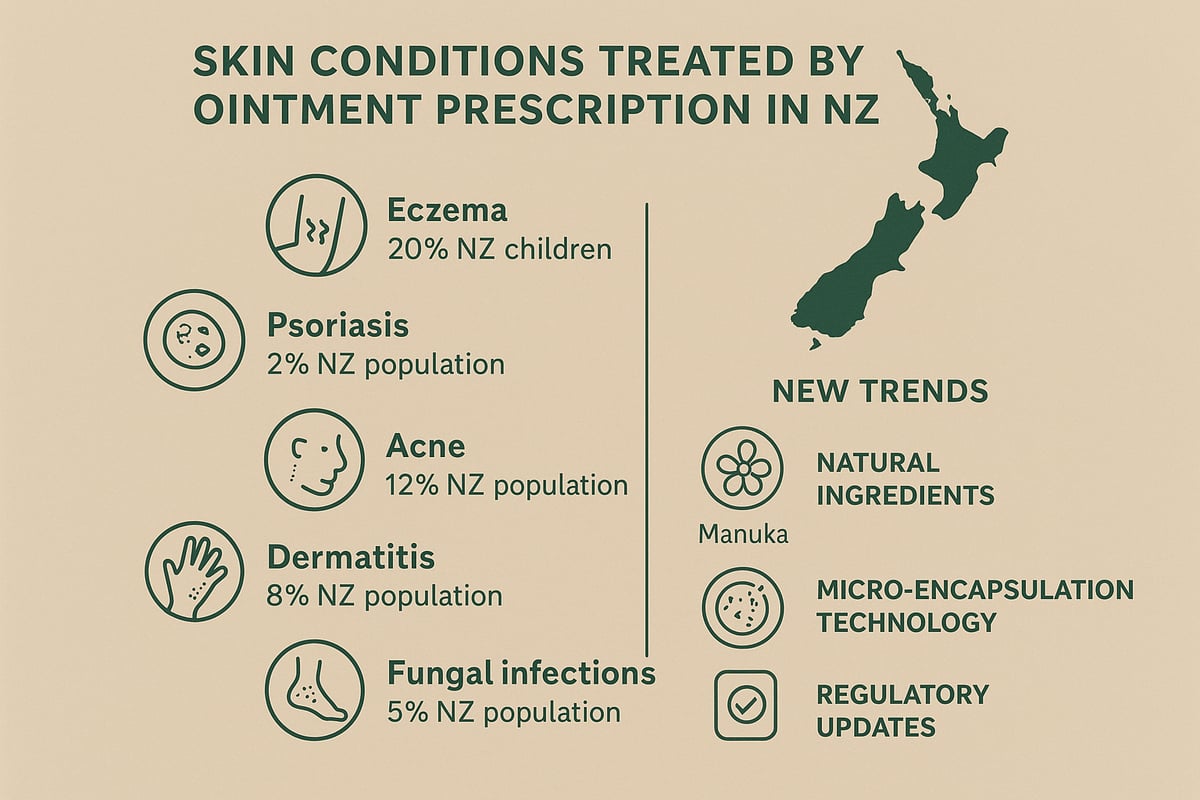
Ointment prescription is most often used for eczema, psoriasis, dermatitis, acne, and fungal infections. Did you know eczema affects 20 percent of New Zealand children, according to the NZ Dermatological Society in 2024?
These prescriptions work by reducing inflammation, fighting infection, and helping repair your skin barrier. If you’re dealing with flare-ups or infections, a targeted ointment prescription can offer relief when regular creams fall short.
How Ointment Prescriptions Work
The magic of an ointment prescription lies in its mechanism. These formulas can calm inflammation, kill bacteria or fungi, and lock in moisture to protect your skin. You’ll usually notice results within days to weeks, depending on the condition.
Unlike oral medications, ointment prescriptions act directly on the skin, often with fewer whole-body side effects. Compared to topical creams, ointments are thicker and provide longer-lasting coverage, which can be crucial for stubborn patches.
Safety and Side Effects in 2025
Safety is a top priority for any ointment prescription, especially with today’s more potent options. Modern ointments are safer than ever, but side effects like skin thinning or irritation can still happen, especially with long-term use.
Medsafe NZ has updated regulations to ensure clearer labelling and improved safety information for all ointment prescriptions in 2025. Always talk to your doctor about supervision, especially if you’re using strong or long-term ointments.
Innovations in Ointment Formulation
The world of ointment prescription is changing fast. We’re seeing new delivery systems, like micro-encapsulation and slow-release formulas, which make treatment more effective and comfortable. There’s also a shift towards reducing steroids and antibiotics, with more natural ingredients—like New Zealand Mānuka extract—being integrated.
In fact, natural-based ointment prescriptions have jumped by 30 percent in NZ since 2023. This means you can now choose options that align with your values and your skin’s unique needs.
Step-by-Step Guide: How to Get the Right Ointment Prescription
Choosing the right ointment prescription for your skin can feel overwhelming, but breaking it down into clear steps makes the journey easier. Here’s a practical, step-by-step guide designed for New Zealanders looking for effective, safe options in 2025.
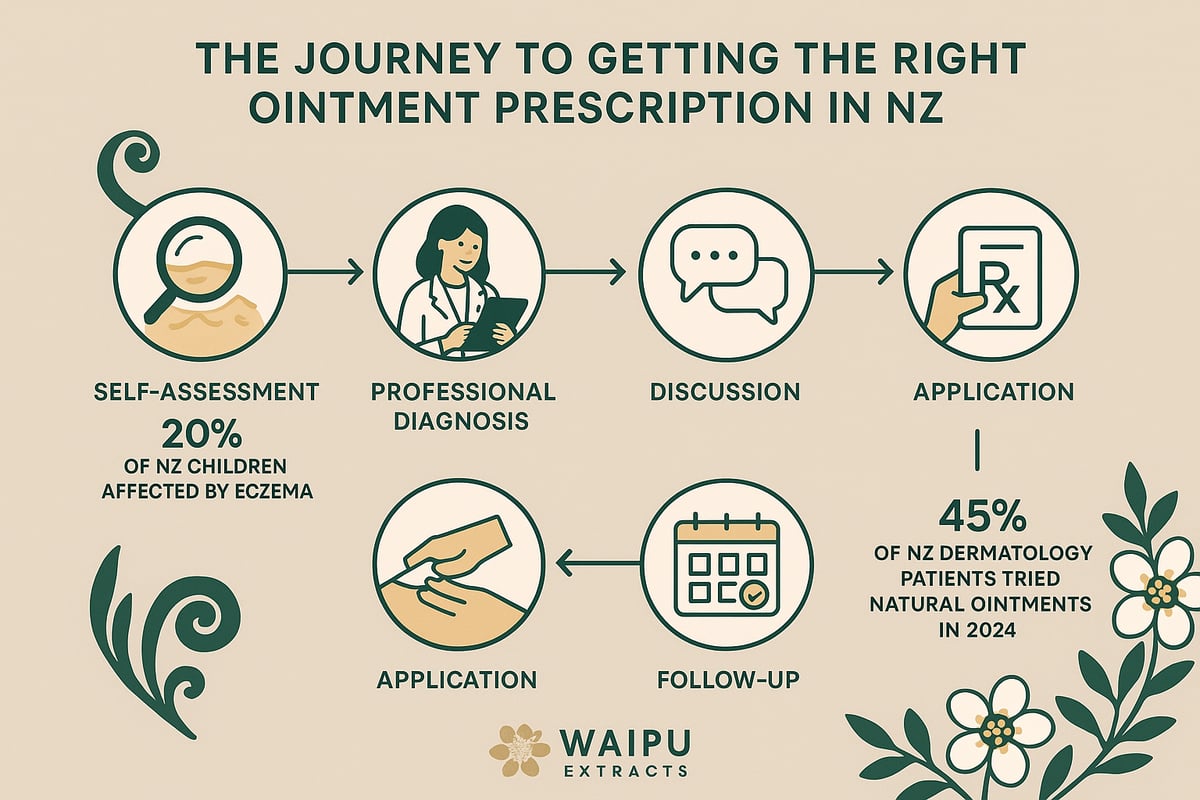
Step 1: Identify Your Skin Concern
Start by observing your skin closely. Note symptoms such as redness, itchiness, flaking, or swelling. Track when flare-ups occur and what might trigger them—like soaps, weather, or stress.
If you’re unsure whether you have eczema, dermatitis, or another issue, try comparing your symptoms to trusted resources. For a deeper dive into recognising eczema and other skin conditions, check out Clearing eczema: treatment insights. Knowing when to seek an ointment prescription begins with understanding your skin’s signals.
Step 2: Seek Professional Diagnosis
Book a consultation with a GP, dermatologist, or nurse practitioner. In New Zealand, skin assessments might involve digital imaging, swabs, or allergy tests. These tools help pinpoint the exact diagnosis, ensuring you receive the most effective ointment prescription for your needs.
Accurate diagnosis is vital—using the wrong ointment can worsen symptoms or delay healing. Be ready to share your symptom diary and any triggers you’ve noticed. This information guides your healthcare professional to the best solution.
Step 3: Discuss Prescription Options
When your diagnosis is clear, ask your provider about all available ointment prescription options. Consider these questions:
- What are the main ingredients?
- Are there any potential side effects?
- How does it compare to natural alternatives?
For example, if you’re offered a steroid ointment, ask about non-steroid or Mānuka-based choices. Weigh the pros and cons together to find what best suits your skin and lifestyle.
Step 4: Understand Application Instructions
Once you have your ointment prescription, follow instructions carefully. Use the recommended amount—often measured as a fingertip unit—and apply as directed, usually once or twice daily.
Tips for safe use:
- Wash and dry hands before and after application.
- Apply a thin layer only to affected areas.
- Don’t mix with other products unless advised.
Avoid common mistakes like overuse or forgetting doses, as these can impact results.
Step 5: Monitor and Follow Up
Track your progress by noting changes in your skin and any side effects. If you notice irritation or no improvement, contact your healthcare provider for a review.
Long-term management often includes repeat ointment prescriptions or adjustments based on your skin’s response. Regular check-ins help ensure your treatment remains safe and effective for the months ahead.
Choosing Between Synthetic and Natural Ointment Solutions
Navigating the choice between synthetic and natural ointment prescription solutions can feel overwhelming. Both categories have their place in modern skin care, especially as New Zealanders become more mindful of safety, efficacy, and long-term skin health.
Pros and Cons of Synthetic Ointments
Synthetic ointment prescription products remain the gold standard for fast relief, especially in acute flare-ups. They’re often preferred when quick action is needed, such as with severe eczema or psoriasis.
- Pros: Rapid onset, predictable results, widely available in NZ.
- Cons: Some can cause side effects like skin thinning or antibiotic resistance with long-term use. Cost and access can vary depending on the prescription and funding.
Synthetic ointment prescription options are ideal for short-term, targeted use but should always be monitored by a healthcare professional for safety.
The Rise of Natural Alternatives
Demand for natural ointment prescription solutions has grown rapidly, with more Kiwis seeking chemical-free products for daily skin care. Natural ointments, often plant-based, are proving effective for mild to moderate conditions.
Studies show a 30 percent increase in natural-based ointment prescription rates in NZ since 2023. These alternatives often feature fewer synthetic additives, appealing to those with sensitive skin or concerns about long-term exposure.
Regulatory standards in 2025 ensure that natural ointment prescription products must meet safety and efficacy benchmarks, giving users greater confidence in their choices.
Spotlight: Mānuka Extract-Based Ointments
Mānuka extract has become a hero ingredient in New Zealand’s natural ointment prescription landscape. Scientific research highlights its antibacterial and anti-inflammatory properties, making it particularly effective for eczema, wound healing, and even acne management.
Compared to traditional ointment prescription options, Mānuka-based ointments offer a gentler approach, with fewer reported side effects. For many, these ointments provide a natural yet powerful alternative for long-term skin barrier support and healing.
Natural Mānuka Solutions from Waipu Extracts
Waipu Extracts leads the way with their world-first Full Spectrum Mānuka Extract, specifically formulated for natural ointment prescription needs. This solution targets eczema, dandruff, and acne without harsh chemicals.
NZ customers praise Waipu Extracts for visible improvements in skin health, sharing before and after stories that highlight reduced redness, itch, and irritation. The product’s gentle formula suits children and those with sensitive skin. Plus, Waipu Extracts offers free express shipping across New Zealand, making natural ointment prescription access even easier.
How to Decide: Synthetic vs. Natural
Choosing the best ointment prescription depends on your skin’s needs, medical history, and treatment goals. Consider the severity of your condition, skin sensitivity, and any past reactions to ingredients.
Some people benefit from combining synthetic and natural ointment prescription approaches, always under medical guidance. Recent data shows that 45 percent of NZ dermatology patients tried natural ointments in 2024, reflecting a shift toward holistic, personalised care.
Application Best Practices for Maximum Effectiveness
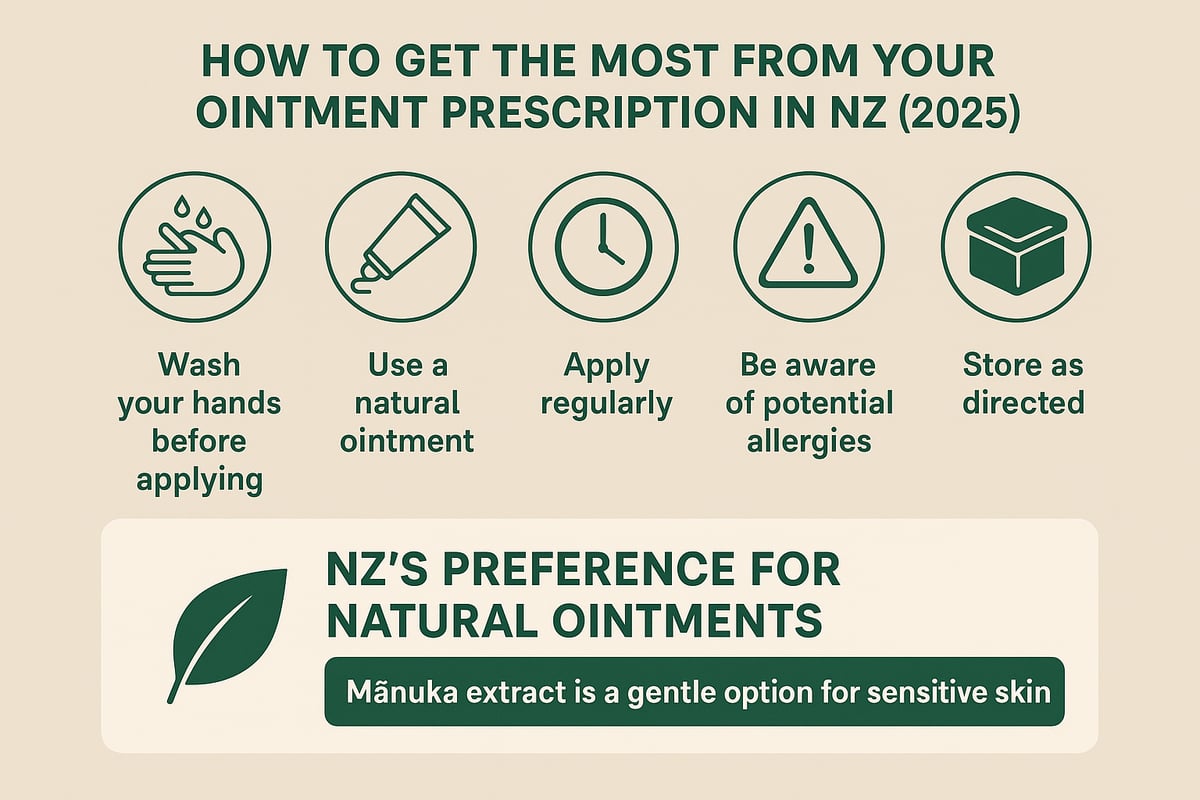
Achieving the best results from your ointment prescription takes more than just applying a cream. It’s about building a routine, understanding your skin, and following the latest expert advice. Here’s how to maximise every tube—whether you’re using a traditional prescription or a natural Mānuka-based ointment.
Preparing the Skin
Start every ointment prescription routine with gentle cleansing. Use lukewarm water and a fragrance-free cleanser to remove dirt and sweat. Pat the area dry, avoiding any rubbing that might aggravate eczema or psoriasis.
If you’re trying a natural Mānuka-based ointment, such as those from NZ, ensure the skin is free of other products to let the extract work directly on affected areas. Pre-application routines can boost absorption and reduce irritation, especially for sensitive skin or children.
Correct Application Techniques
Apply your ointment prescription using the fingertip unit method—this means a thin strip from the tip to the first joint of your finger covers a palm-sized area. Spread in a thin, even layer.
Always wash hands before and after. Avoid double-dipping into jars, as this can introduce bacteria. For open wounds or severe eczema, ask your pharmacist if a sterile applicator is needed. Cover with a non-stick dressing only if advised.
Timing and Frequency
When it comes to ointment prescription timing, consistency is key. Apply at the same time each day—many find night application works well as the skin repairs overnight.
Reapply as directed, never more or less. Missing doses can delay healing, while overuse increases side effects. For natural ointments, such as Mānuka extract, follow label instructions for safe frequency and maximum benefit.
Managing Side Effects and Irritation
Before starting any new ointment prescription, spot test on a small patch of skin. Watch for redness, stinging, or swelling.
If irritation develops, stop immediately and contact your healthcare provider. For the latest on side effects and safety, see Medsafe NZ safety updates. Natural Mānuka ointments are often well-tolerated, but even gentle ingredients can cause reactions in rare cases.
Storing and Handling Prescribed Ointments
Keep your ointment prescription in a cool, dry place out of direct sunlight. Always check expiry dates and discard any unused product past its use-by.
Store tubes and jars out of reach of children and pets. If you notice changes in colour, smell, or texture, dispose of the ointment safely. Following these storage tips helps maintain potency and ensures your skin gets the best possible care.
Future Trends in Ointment Prescriptions: What’s Next for 2025 and Beyond?
The landscape of ointment prescription in New Zealand is transforming rapidly, driven by breakthroughs in technology, sustainability, and personalised care. Let’s explore what’s on the horizon for 2025 and how these trends will impact your skin health journey.
Personalised Medicine and AI in Dermatology
Imagine your ointment prescription tailored as precisely as your fingerprint. In 2025, AI-powered tools can analyse your genetic data and skin imaging, providing recommendations unique to your skin’s needs. Predictive analytics help anticipate eczema flare-ups or acne triggers, allowing early intervention. This level of customisation ensures you get the right ointment prescription faster and with fewer side effects, making skin care more targeted than ever.
Green Chemistry and Sustainable Ointment Development
Sustainability is now at the heart of ointment prescription innovation. NZ brands like Waipu Extracts are leading the way with eco-friendly packaging and biodegradable formulas. By using responsibly sourced Mānuka extract, these ointments offer effective relief while reducing environmental impact. Recent data shows a significant shift towards green chemistry, with more Kiwis choosing ointment prescription products that respect both their skin and the planet.
- Biodegradable tubes and containers
- Full-spectrum natural ingredients
- Focus on NZ-grown botanicals for purity
Telehealth and Digital Prescriptions
Accessing an ointment prescription has never been easier. Telehealth services let you consult dermatologists online, receive digital scripts, and monitor progress from home. In 2024, 60% of skin prescriptions in NZ were issued online, a trend set to rise. Digital tools also support follow-up and reminders, ensuring you never miss a treatment. This convenience brings expert skin care to even the most remote communities.
Integrative Approaches: Combining Traditional and Modern Therapies
The future of ointment prescription is integrative. Dermatologists are now blending prescription ointments with holistic care such as dietary changes, stress management, and natural solutions like Mānuka-based products. This approach supports the skin’s healing from multiple angles, empowering you to combine the best of both worlds for long-term results.
- Prescription ointments for acute relief
- Mānuka extract ointments for barrier repair and antibacterial support
- Lifestyle changes for prevention and resilience
Regulatory and Safety Updates
Regulation is evolving to keep up with these advances in ointment prescription. Medsafe NZ has introduced new labelling requirements and stricter transparency rules to ensure your safety. Notably, Pharmac prescription length changes now allow longer access to essential ointments, making treatment more convenient for chronic skin conditions. As new ointment classes emerge, you can trust NZ’s robust oversight for safe, effective options.
Frequently Asked Questions About Ointment Prescriptions
Struggling to make sense of your ointment prescription? You’re not alone. Here are answers to the most common questions New Zealanders ask about skin care in 2025.
How do I know if I need a prescription ointment or an over-the-counter product?
If your skin concern is persistent, severe, spreading, or not improving with regular pharmacy creams, it’s time to ask about an ointment prescription. For common conditions like eczema, a pharmacist can advise, but a GP or dermatologist can confirm if a prescription is necessary.
Can I use ointment prescriptions for children or sensitive skin?
Many ointment prescriptions are suitable for children and those with sensitive skin, but always check with your healthcare provider. Lower-potency options and natural-based ointments, such as those with Mānuka extract, are often recommended for young or delicate skin.
What’s the difference between cream, ointment, and gel prescriptions?
| Type | Texture | Best For | Absorption |
|---|---|---|---|
| Cream | Light | Moist, weepy skin | Fast |
| Ointment | Greasy | Dry, scaly patches | Slow |
| Gel | Clear, cool | Hairy or oily areas | Fast |
Ointment prescriptions are usually thicker and more protective than creams or gels.
Are natural ointments as effective as synthetic ones?
For mild to moderate issues, natural ointments like those made with Mānuka extract have shown strong results for inflammation and infection. For severe conditions, synthetic ointment prescriptions may still be needed. Explore a full review of products for eczema relief to see what works best for your needs.
How long does it take to see results from prescription ointments?
Most people notice improvement within a few days to two weeks, depending on the ointment prescription and skin condition. Chronic issues like psoriasis may require ongoing use and follow-up.
What should I do if I experience side effects?
Stop using the ointment prescription and contact your healthcare provider if you notice redness, burning, or worsening symptoms. For most people, side effects are mild and resolve quickly, but it’s important to check in if you’re unsure.
Can I use multiple ointments at once?
Only combine ointment prescriptions or mix with over-the-counter products if your doctor or pharmacist approves. Some ingredients may interact or cause irritation, so always follow professional advice.
Where can I find more information or support in NZ for skin health?
Ask your GP, pharmacist, or dermatologist for guidance. Recent Pharmac Special Authority changes have made some ointment prescriptions easier to access. For natural solutions, NZ-based providers like Waipu Extracts offer expert advice and support.
After learning just how much ointment prescriptions are evolving in 2025, it’s clear that finding the right solution for your skin can feel overwhelming. If you’re curious about natural options that blend science with real results, you’re not alone—I’ve seen so many people discover new confidence after switching to gentle, effective alternatives. Waipu Extracts’ Full Spectrum Mānuka Extract is crafted to support skin health for conditions like eczema, dandruff, and acne, harnessing the unique power of New Zealand’s Mānuka. If you’re ready to try a natural approach that puts your skin first, Get Your Mānuka Extract Today.