

Imagine wandering through emerald forests where ancient trees tower overhead, and rare blooms colour the landscape in ways found nowhere else on earth. New zealand botanicals invite you into a world of lush diversity, where each plant tells a story shaped by isolation and time.
In this guide, we reveal how these extraordinary plants connect ecology, Māori tradition, and modern wellness. Discover how to recognise, use, and protect these native treasures in 2025.
Get ready to explore iconic species, cultural wisdom, health benefits, and practical tips for enjoying nature’s wonders—while respecting and preserving them for future generations.
New Zealand’s Unique Botanical Heritage
Step into a world where ancient forests meet vibrant coastlines, and every leaf tells a story of survival. New zealand botanicals are living testaments to the land’s remote evolution, offering a journey through time and culture. Let’s uncover what makes these native plants so remarkable, from their origins to their ongoing significance.
The Origins of New Zealand Flora
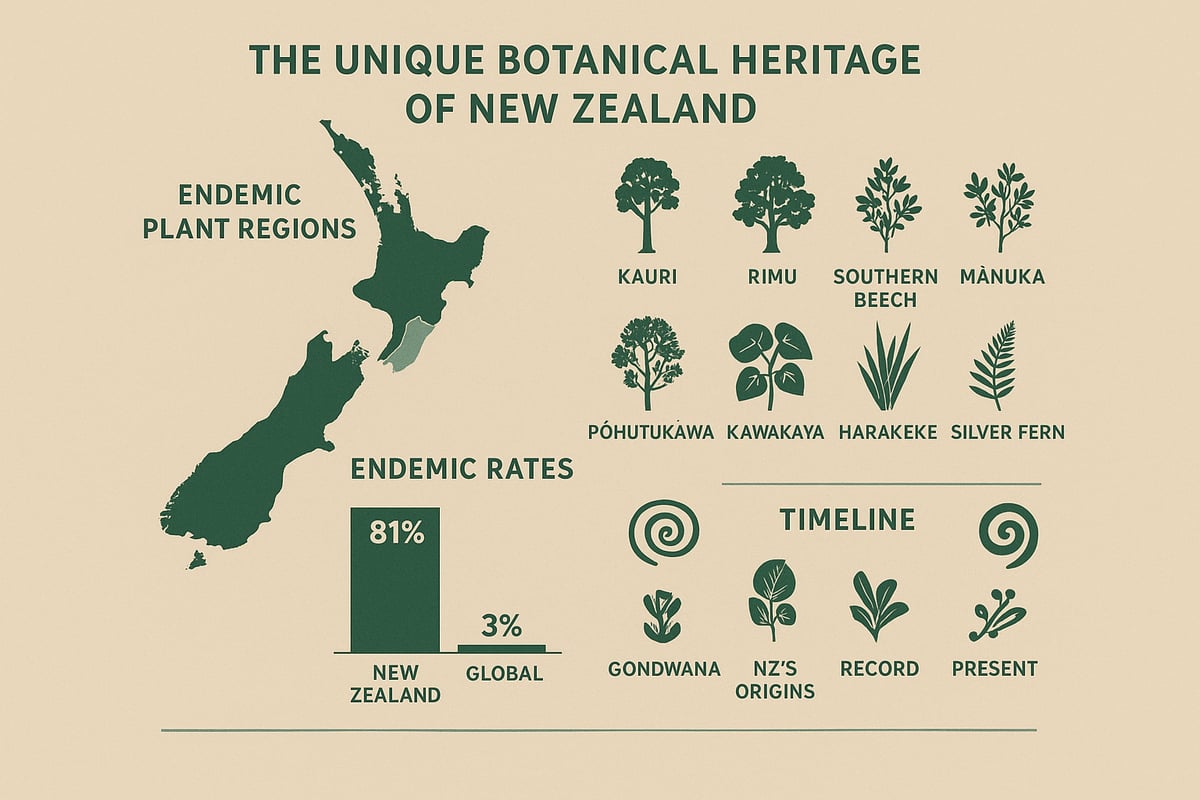
New zealand botanicals owe their uniqueness to millions of years of isolation. The islands split from Gondwana, leaving ancient lineages like kauri, rimu, and southern beech to evolve in their own way. Over 80 percent of native plants are found nowhere else on earth, a true botanical treasure trove.
Dramatic shifts in climate and topography shaped a land where mosses thrive alongside towering trees. These living fossils adapted with thick leaves, waxy coatings, and other survival tricks. Today, every forest walk is a stroll through deep botanical history.
Iconic Native Plants and Their Significance
The stars of new zealand botanicals include mānuka, kānuka, pōhutukawa, kawakawa, harakeke (New Zealand flax), and the iconic silver fern. Each species carries deep meaning. The silver fern shines as a national emblem, while pōhutukawa bursts into crimson bloom for a Kiwi Christmas.
Harakeke is vital for wetlands, and mānuka supports honeybees and healthy soils. These plants appear in local art, fashion, and sports, symbolising resilience and connection to place. Some, like the majestic kauri, are now endangered and protected by strict conservation laws.
Curious about field stories and how to spot these wonders? Dive into Field Notes on Native Plants for expert tips and tales from the wild.
| Plant | Ecological Role | Cultural Significance |
|---|---|---|
| Mānuka | Pollinator support | Healing, honey |
| Harakeke | Wetlands, weaving | Fibre, art |
| Silver Fern | Understory, symbol | National identity |
| Pōhutukawa | Coastal, shade | Christmas, myth |
These new zealand botanicals are more than just plants – they are threads woven through every part of Kiwi identity.
Māori Knowledge and Traditional Uses
For Māori, new zealand botanicals are taonga (treasures), central to both daily life and spiritual practice. Rongoā Māori, the traditional system of plant-based medicine, uses kawakawa for healing and mānuka for soothing teas.
Harakeke is not only woven into baskets and cloaks but also into stories and whakapapa (genealogy). Knowledge is passed down through generations, ensuring respect for both the land and the plants. Today, this wisdom is being embraced in modern wellness, with native extracts like mānuka gaining global recognition.
By understanding and respecting the deep roots of new zealand botanicals, we can continue to celebrate and protect them for generations to come.
Exploring New Zealand Botanicals: Where and How
Ready to immerse yourself in the world of new zealand botanicals? From ancient kauri forests to alpine wildflower meadows, Aotearoa offers endless opportunities to connect with nature’s rare and vibrant wonders. Whether you’re a curious beginner or a seasoned plant enthusiast, there’s a perfect spot and season waiting for you.
Top Botanical Hotspots Across New Zealand
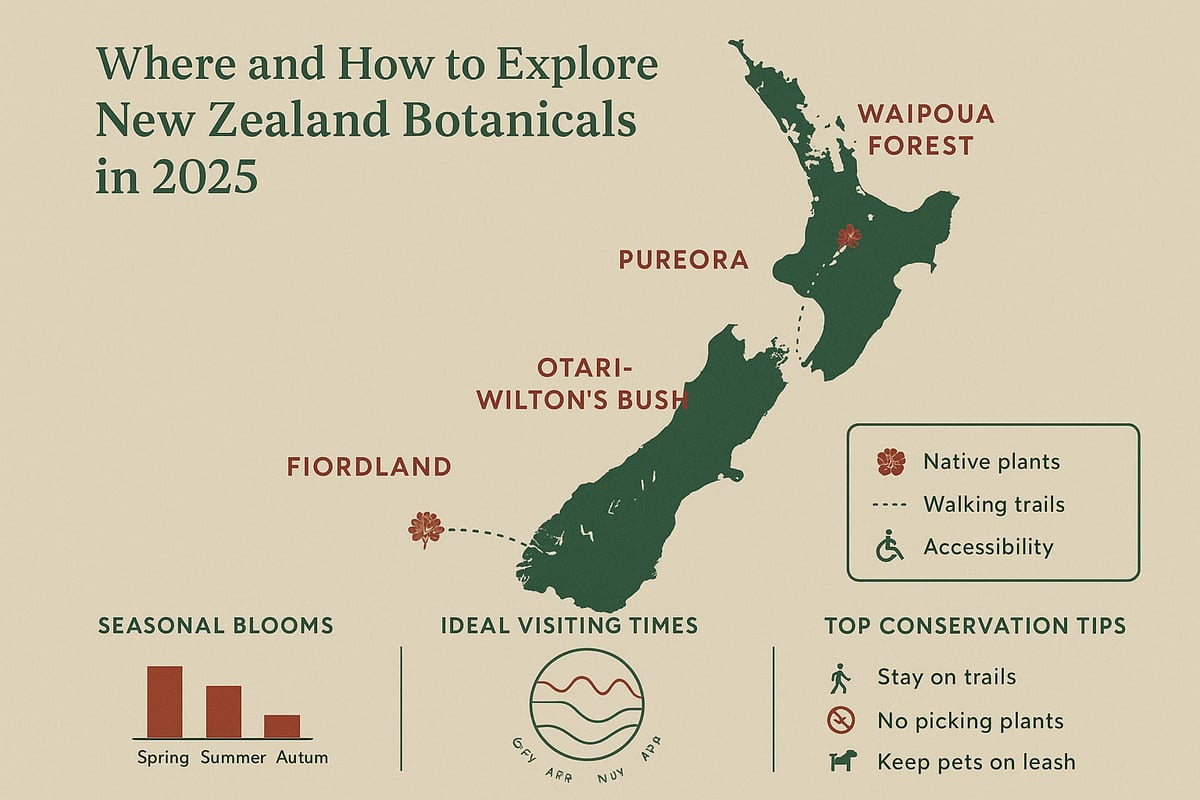
New Zealand botanicals are best experienced where they thrive in the wild. Northland’s Waipoua Forest is home to towering kauri trees, some over 2,000 years old. Waikato’s Pureora Forest offers lush canopies and rare understory plants. In Wellington, Otari-Wilton’s Bush is a living museum of native flora, making it easy for families and wheelchair users to explore.
The geothermal landscapes of Rotorua burst with unique fern species, while Fiordland’s dramatic valleys shelter ancient beech forests. Down south, the Otago Peninsula showcases coastal botanicals and sweeping views. Many reserves offer guided tours for deeper learning, but well-marked self-guided trails are available for independent explorers.
No matter your fitness level, you’ll find accessible tracks and visitor centres ready to introduce you to new zealand botanicals in their natural splendour.
Responsible Foraging and Plant Observation
When exploring new zealand botanicals, it’s vital to tread lightly. Foraging native plants is only permitted in specific areas and often requires a permit. Always check local regulations before picking or collecting. Respect tapu (sacred) sites and follow Leave No Trace principles—take only photos and leave plants undisturbed for others and for future generations.
Ethical plant observation means avoiding harm, using clean tools, and never trampling sensitive habitats. Identifying native versus introduced plants can be tricky, but field guides and online resources are helpful. For a deeper dive into safe and respectful plant exploration, the Library of Botanical Knowledge is a fantastic resource packed with tips for beginners and experts alike.
Bring a notebook, camera, and a sense of wonder. Responsible engagement with new zealand botanicals ensures their survival and your own rewarding experience.
Best Times and Seasons for Botanical Exploration
Timing your adventure is key to experiencing new zealand botanicals at their most vibrant. December to January brings the iconic red bloom of pōhutukawa, known as the New Zealand Christmas tree, lighting up the coastlines. In summer, alpine regions burst with colourful wildflowers, while native birds and insects bring extra life to the scene.
Regional climates shape what you’ll see—Northland’s subtropical forests stay lush year-round, while Otago’s cooler weather means a shorter, but spectacular, flowering season. Plan ahead by checking local forecasts and flowering calendars for 2025.
Whether you’re seeking quiet forest walks or the buzz of summer festivals, every season offers a unique window into the world of new zealand botanicals.
Health and Wellness Benefits of New Zealand Botanicals
New zealand botanicals are celebrated worldwide for their natural healing abilities and cultural significance. From ancient rongoā Māori practices to the latest scientific discoveries, these native plants offer a unique blend of tradition and innovation for health and wellness. Let’s explore how mānuka, kawakawa, harakeke, and more can support your wellbeing in 2025.
Mānuka: The Star of Natural Healing
Mānuka is the crown jewel of new zealand botanicals, prized for its antibacterial, anti-inflammatory, and antioxidant effects. The nectar from mānuka flowers produces a honey renowned for supporting immunity, soothing digestion, and calming skin irritations. Its healing powers are backed by science, with the UMF grading system ensuring quality and potency.
Recent studies highlight mānuka’s ability to combat antibiotic-resistant bacteria and support wound healing. Traditionally, Māori used mānuka leaves for teas and topical remedies. Today, mānuka extracts and honey are found in everything from skincare serums to throat lozenges. To dive deeper into the science and history of this remarkable plant, check out Manuka: New Zealand's Healing Power.
Kawakawa, Harakeke, and Other Healing Plants
Beyond mānuka, new zealand botanicals like kawakawa and harakeke offer impressive wellness benefits. Kawakawa leaves are known for their anti-inflammatory properties and gentle support for digestive health. People often brew kawakawa tea to ease stomach discomfort or use it in balms for soothing skin.
Harakeke, or New Zealand flax, is traditionally valued for its strong fibres and its gel, which calms irritated skin. The plant is also a key ingredient in many modern balms and gels. Kānuka, a close relative of mānuka, is used for respiratory support and wound care.
Other notable new zealand botanicals include koromiko, which assists with digestive upsets, and rātā, valued for its soothing properties. These plants are increasingly featured in wellness products, blending traditional wisdom with modern needs.
Table: Key New Zealand Botanicals and Their Benefits
| Plant | Traditional Use | Modern Application |
|---|---|---|
| Mānuka | Healing, teas | Honey, skincare |
| Kawakawa | Digestive, skin balm | Teas, creams |
| Harakeke | Fibre, skin healing | Gels, balms |
| Kānuka | Wound, respiratory | Oils, ointments |
Waipu Extracts: Harnessing the Power of Full Spectrum Mānuka
Waipu Extracts leads the way in harnessing the full potential of new zealand botanicals, especially their unique full spectrum mānuka extract. Unlike standard mānuka products, full spectrum means every bioactive compound is preserved for maximum effect.
This gentle, non-steroidal extract is ideal for sensitive skin, helping with eczema, acne, and everyday irritation. Customers often share stories of visible transformation—clearer, calmer skin and restored confidence. All mānuka used is locally sourced and ethically produced in New Zealand, ensuring purity from bush to bottle.
If you’re looking for real results, Waipu Extracts’ before and after testimonials speak volumes. Their dedication to quality, sustainability, and community sets a new benchmark for new zealand botanicals in skincare.
Conservation and Sustainability of Native Botanicals
New zealand botanicals are facing an urgent crossroads. These precious plants, shaped by millions of years of isolation, now confront challenges that threaten their very existence. Yet, hope shines through in the hands of communities, scientists, and everyday nature lovers.
Threats to New Zealand’s Native Plants
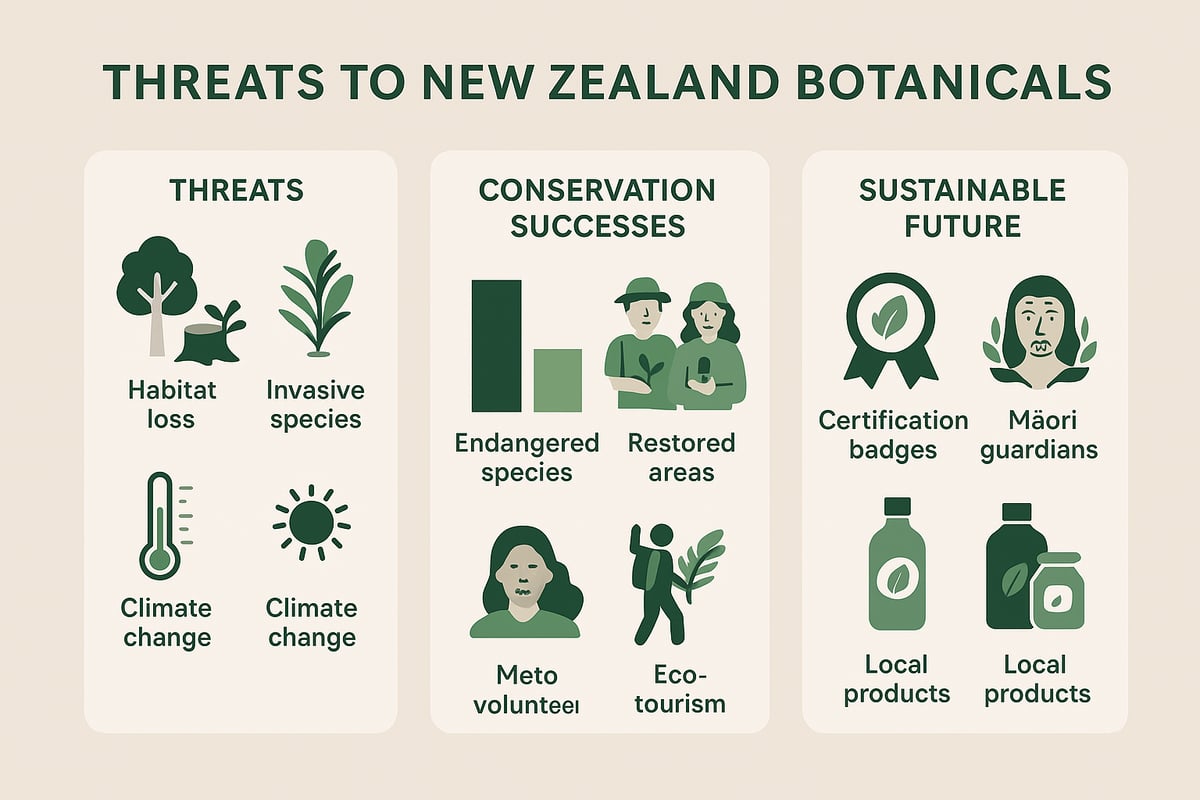
The survival of new zealand botanicals is under pressure from several fronts. Habitat loss, driven by farming and expanding cities, reduces the spaces where native plants thrive. Invasive species, such as wilding pines and introduced pests, compete with or prey on native flora, disrupting delicate ecosystems.
Climate change is shifting weather patterns, causing some plants to flower earlier or struggle in changing environments. Overharvesting of prized species and illegal trade also strain wild populations. Iconic natives like the kauri and rātā are now at risk, with some classified as endangered.
A quick overview of major threats:
| Threat | Impact on New Zealand Botanicals |
|---|---|
| Habitat loss | Shrinking plant populations |
| Invasive species | Competition and ecosystem imbalance |
| Climate change | Altered flowering and distribution |
| Overharvesting | Declining wild stocks |
Conservation Success Stories and Community Initiatives
Despite these challenges, there are inspiring wins for new zealand botanicals. Predator-free projects and ecological restoration are revitalising native forests. Māori-led conservation, guided by kaitiakitanga (guardianship), ensures traditional wisdom shapes sustainable practices.
Volunteer groups and citizen scientists play a vital role, monitoring plant populations and restoring habitats. National partnerships between government, iwi, and NGOs further strengthen these efforts. Thanks to collaborative action, areas like Pureora and the New Zealand Plant Conservation Network report increases in forest cover and the return of rare species.
One standout story is Project Crimson, a long-running initiative protecting pōhutukawa and rātā. Community planting days and education campaigns have brought these treasured trees back from the brink, turning concern into action.
Sustainable Use and Future of NZ Botanicals
The future of new zealand botanicals depends on balancing use with care. Sustainable harvesting and cultivation methods, often certified as organic or UMF for mānuka, protect wild populations. The Forest Stewardship Council and similar bodies offer assurance to eco-conscious consumers.
Eco-tourism is growing, with guided walks and botanical experiences helping fund conservation. Innovative propagation techniques and restoration projects ensure rare plants get a chance to thrive. By choosing ethically sourced products and supporting responsible brands, every consumer can help secure a future where new zealand botanicals continue to flourish.
How to Experience and Use New Zealand Botanicals in Everyday Life
Discovering new zealand botanicals is more than a journey—it’s an invitation to bring nature’s wisdom into your daily life. Whether you’re a foodie, wellness seeker, or explorer, there’s a place for these unique plants in your kitchen, skincare, and adventures.
Culinary Adventures: Native Flavours and Recipes
The flavours of new zealand botanicals are vibrant and distinct, offering a fresh twist to everyday meals. Imagine brewing kawakawa tea, its peppery notes both soothing and invigorating. Try mānuka smoked salmon for a taste that’s uniquely Kiwi, or sprinkle native spice blends featuring horopito on roasted veggies for a fiery finish.
Here are some ways you can bring these botanicals into your kitchen:
- Brew kawakawa or mānuka tea for a wellness boost.
- Use mānuka honey as a glaze for meats or a sweetener for desserts.
- Experiment with native spice blends in soups, stews, or on grilled fish.
Modern NZ chefs are championing these ingredients, creating menus that celebrate the land and its bounty. You’ll find new zealand botanicals at specialty grocers, farmers’ markets, and even online, making it easy to add authentic Kiwi flavours to your table. Beyond taste, these plants offer nutritional benefits, from antioxidants in mānuka to vitamins in kawakawa.
Botanical Skincare and Wellness Products
The rise of natural beauty in New Zealand owes much to the healing power of new zealand botanicals. Mānuka extract is a superstar, soothing sensitive skin and calming irritation. Kawakawa balms and gels are beloved for their anti-inflammatory properties, while harakeke offers gentle hydration and supports skin repair. To learn more about harakeke’s traditional uses, check out Phormium tenax (Harakeke).
When choosing botanical skincare, look for clear labels and trusted certifications. Many products are now UMF-certified or organically grown, ensuring purity and potency. For DIY lovers, try mixing mānuka honey with oats for a nourishing face mask, or infuse kawakawa leaves into oil for a soothing balm.
Table: Key Botanical Skincare Ingredients
| Botanical | Main Benefit | Traditional Use |
|---|---|---|
| Mānuka | Antibacterial, healing | Medicinal teas, honey |
| Kawakawa | Calming, anti-inflammatory | Healing balms |
| Harakeke | Hydrating, soothing | Weaving, skin gel |
Ethical brands across NZ are committed to sustainable sourcing, supporting both your wellbeing and the environment. Explore new zealand botanicals in your daily routine and feel the difference.
Immersive Experiences: Gardens, Workshops, and Festivals
There’s no substitute for seeing new zealand botanicals where they thrive. Visit public gardens like Dunedin Botanic Garden or Hamilton Gardens to witness native flora in bloom. Many offer guided walks, providing insights into plant identification and Māori traditions.
Keen to go deeper? Join a plant identification workshop or rongoā Māori class. Annual events such as the NZ Garden & Art Festival or Pōhutukawa festivals celebrate the beauty and culture of native plants. For a hands-on experience, explore Medicinal Gardens – NUWAO to learn about cultivating and using healing plants in traditional ways.
Whether you wander through lush gardens, take part in workshops, or join local festivals, you’ll deepen your connection with new zealand botanicals and the stories they carry.
After exploring the wonders of New Zealand’s native plants and the incredible benefits they offer for skin health, it’s easy to see why so many people are turning to nature for real results. If you’re curious to experience the gentle, proven power of full spectrum mānuka for yourself—especially if you’re managing sensitive skin, eczema, or persistent breakouts—you don’t have to wait. Waipu Extracts’ innovative extraction process means you get all the goodness mānuka has to offer, straight from New Zealand’s wild landscapes. Ready to start your own botanical journey toward healthier skin? Get Your Mānuka Extract Today