

Eczema is on the rise across Australia and New Zealand, impacting thousands of families and individuals every day. The toll on comfort, sleep, and confidence is real, and flare-ups can strike without warning.
The journey to managing eczema can feel overwhelming. Symptoms often come and go unpredictably, and what works for one person may not work for another. Many people are searching for gentle, effective relief that fits their lifestyle and values.
Understanding what triggers your eczema and exploring modern, evidence-based solutions is key. From new therapies to trusted natural remedies, there are more options than ever for those seeking lasting comfort and healthier skin.
My eczema journey inspired this guide, which brings together the latest 2025 insights on triggers, proven relief strategies, and expert-backed recommendations. Here, you will learn how to identify your personal triggers and discover both conventional and natural approaches—including the power of Mānuka extract—for better skin health.
In the sections ahead, we’ll cover the essentials: what eczema is, common and emerging triggers, medical and lifestyle relief strategies, the growing role of natural solutions, and practical everyday tips to help you live well with eczema.
Eczema Essentials: What You Need to Know
Eczema, often called dermatitis, is a group of chronic skin conditions that affect millions worldwide. The most common form is atopic dermatitis, but my eczema can also include contact dermatitis, nummular eczema, and others. These conditions all share one thing: irritated, inflamed skin that can disrupt comfort and confidence.
Types of Eczema
There are several forms of my eczema, each presenting slightly differently. Here’s a quick comparison:
| Type | Key Features | Common Areas |
|---|---|---|
| Atopic Dermatitis | Chronic, itchy, inflamed skin | Face, elbows, knees |
| Contact Dermatitis | Reaction to irritants or allergens | Hands, arms, face |
| Nummular Eczema | Coin-shaped dry patches | Legs, arms, torso |
| Dyshidrotic Eczema | Small blisters, usually on hands/feet | Palms, soles |
Who Is Affected?
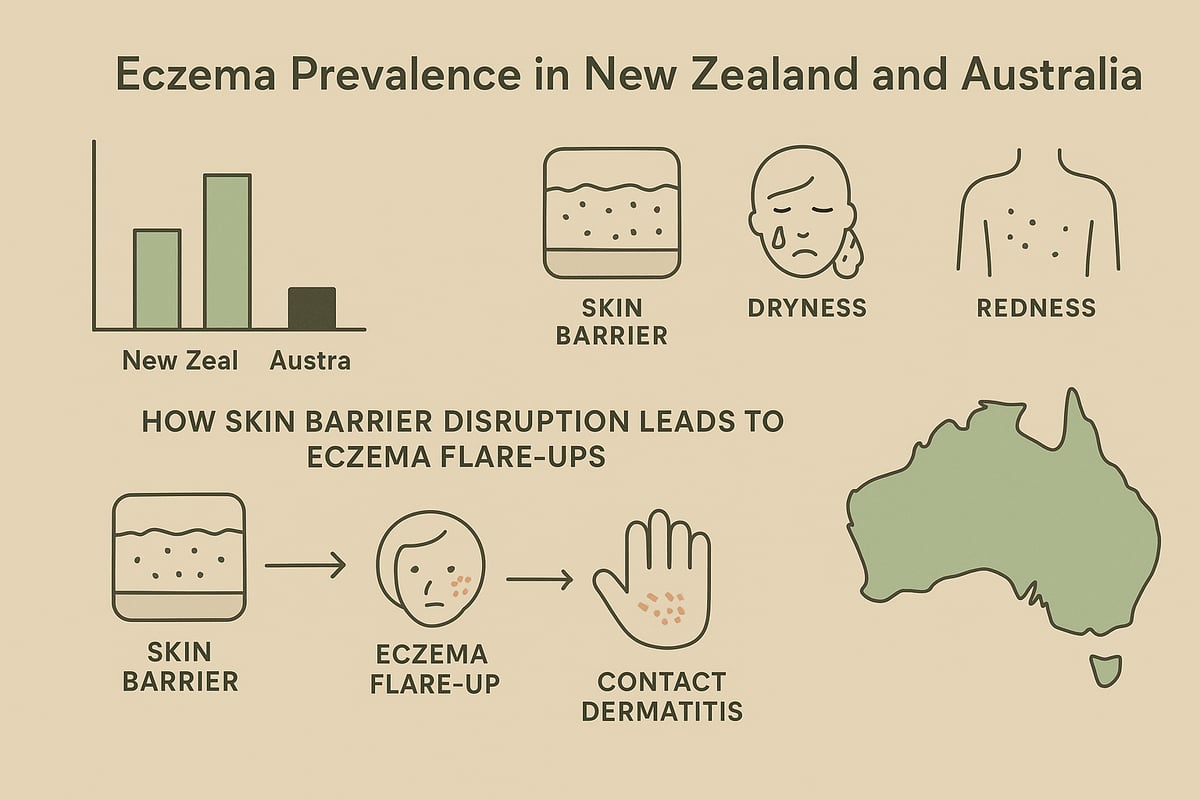
Eczema is remarkably common, with over 31 million Americans living with it. In Australia and New Zealand, rates are also high, especially among children. In fact, recent studies show that up to 20% of Kiwi kids are affected, making my eczema a leading concern for families. For more detailed statistics, see the Eczema prevalence in Australia.
Why Does Eczema Occur?
The root cause of my eczema lies in a weakened skin barrier. When this barrier is disrupted, moisture escapes and irritants sneak in, triggering dryness, itchiness, and redness. Common symptoms include:
- Persistent itch
- Dry, flaky skin
- Red or inflamed patches
- Cracks or blisters
These symptoms can appear anywhere, but hands, face, elbows, and behind the knees are classic spots.
Who’s Most at Risk?
Certain factors make some people more likely to develop my eczema:
- Family history of eczema, allergies, or asthma
- Genetic predisposition
- Coexisting allergies (like hay fever or food allergies)
It’s important to know that my eczema looks different depending on age and skin tone. Babies often show red, weepy cheeks, while adults might develop thickened, dry patches. On darker skin, eczema can appear as grey, purple, or brown areas, not always red.
Managing Eczema for Life
While there’s no cure for my eczema, effective management is absolutely possible. Eczema is a chronic condition, meaning it can flare and settle over time. Early intervention is key—it helps prevent infection, scarring, and reduces the impact on daily life. The sooner you understand your triggers, the better you’ll be able to break the itch-scratch cycle and protect your skin’s health.
Identifying Eczema Triggers in 2025
Understanding what sets off my eczema is the first step to lasting relief. In 2025, new research and climate changes mean trigger patterns are shifting, especially in New Zealand. Let’s break down how environmental, lifestyle, allergen, and emotional factors can influence my eczema journey.
Environmental and Lifestyle Triggers
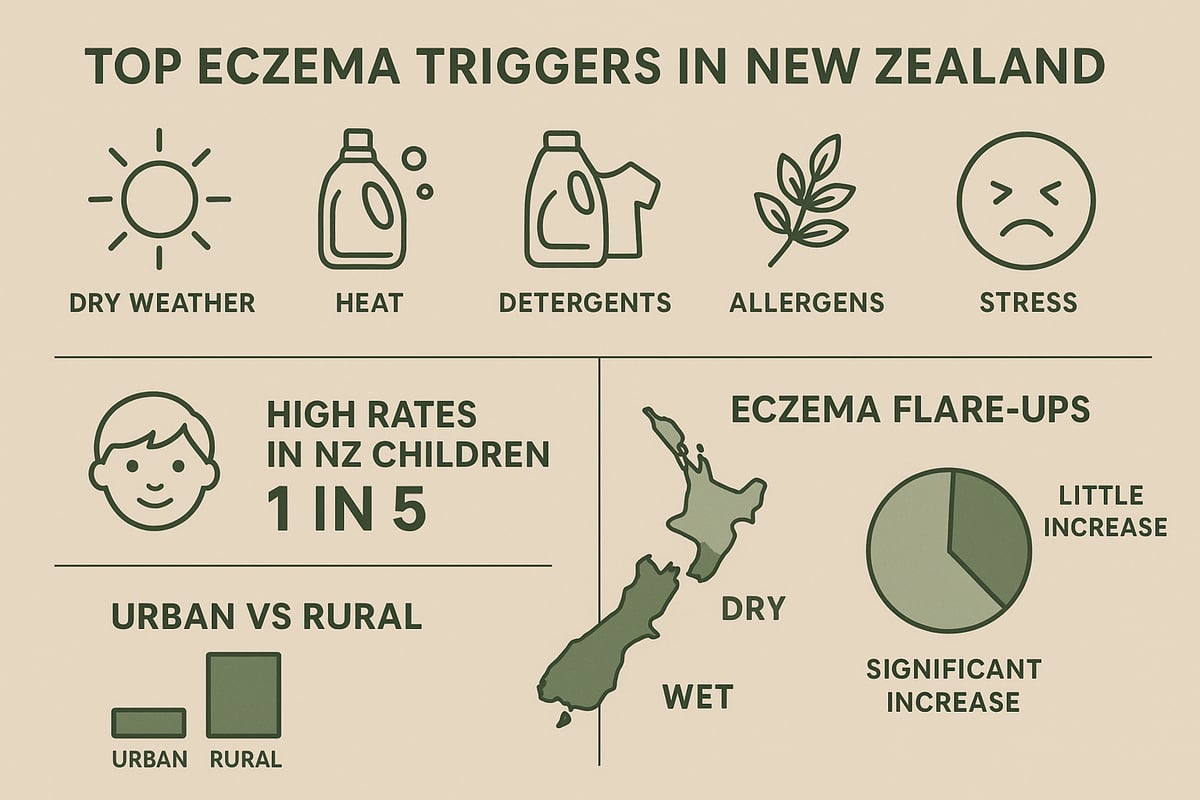
Environmental and daily habits can make a huge difference for my eczema. In New Zealand, dry winter air, sudden heatwaves, and increased air pollution have all led to more frequent flare-ups. Even something as simple as a new laundry detergent can spark itching and redness.
Key triggers include:
- Dry or cold weather
- Heat and sweat
- Pollution and urban living
- Harsh soaps, detergents, fragrances
- Wool or synthetic fabrics
People living in cities might find my eczema acts up more often due to higher pollution and indoor heating. Meanwhile, rural residents may react to pollen or livestock dust.
Workplaces also play a role. Healthcare workers, cleaners, and builders face daily exposure to irritants, increasing my eczema risk. Curious about managing these triggers? Read more in Eczema Triggers and Flare-Ups for practical tips.
Allergens and Food Triggers
For many, my eczema is closely linked to allergies. Pollen, dust mites, and pet dander can all cause flare-ups, especially during allergy seasons. Food triggers are more complicated, but up to 30% of children with eczema have some food sensitivities.
Common food culprits:
- Eggs
- Dairy
- Peanuts
It’s important to remember my eczema may not always react to foods unless there’s a diagnosed allergy. If you suspect a food trigger, try:
- Keeping a detailed food and symptom diary
- Working with a healthcare provider for supervised elimination diets
Don’t start restrictive diets without professional help, as this can impact nutrition, especially in kids. Identifying allergies early helps prevent complications and supports better eczema control.
Emotional and Internal Triggers
Stress and emotions are powerful triggers for my eczema. The skin and mind are closely linked, so big life changes like exams, work stress, or moving house can make symptoms worse. Even positive events can throw routines off, leading to flare-ups.
Stress triggers inflammation, making itching and redness harder to manage. Hormonal shifts—during puberty, pregnancy, or menopause—can also make my eczema unpredictable.
Helpful strategies include:
- Practising mindfulness or meditation
- Regular exercise and quality sleep
- Seeking support from friends, family, or support groups
Taking care of emotional health is just as important as skincare. Recognising these internal triggers empowers you to manage my eczema holistically.
Proven Relief Strategies: Medical and Lifestyle Approaches
Managing my eczema requires a thoughtful blend of proven medical treatments and practical lifestyle habits. No single approach works for everyone, but understanding your options empowers you to find lasting relief. With so many new therapies and natural routines now available, let's explore what really works for my eczema care in 2025.
Medical Treatments and Therapies
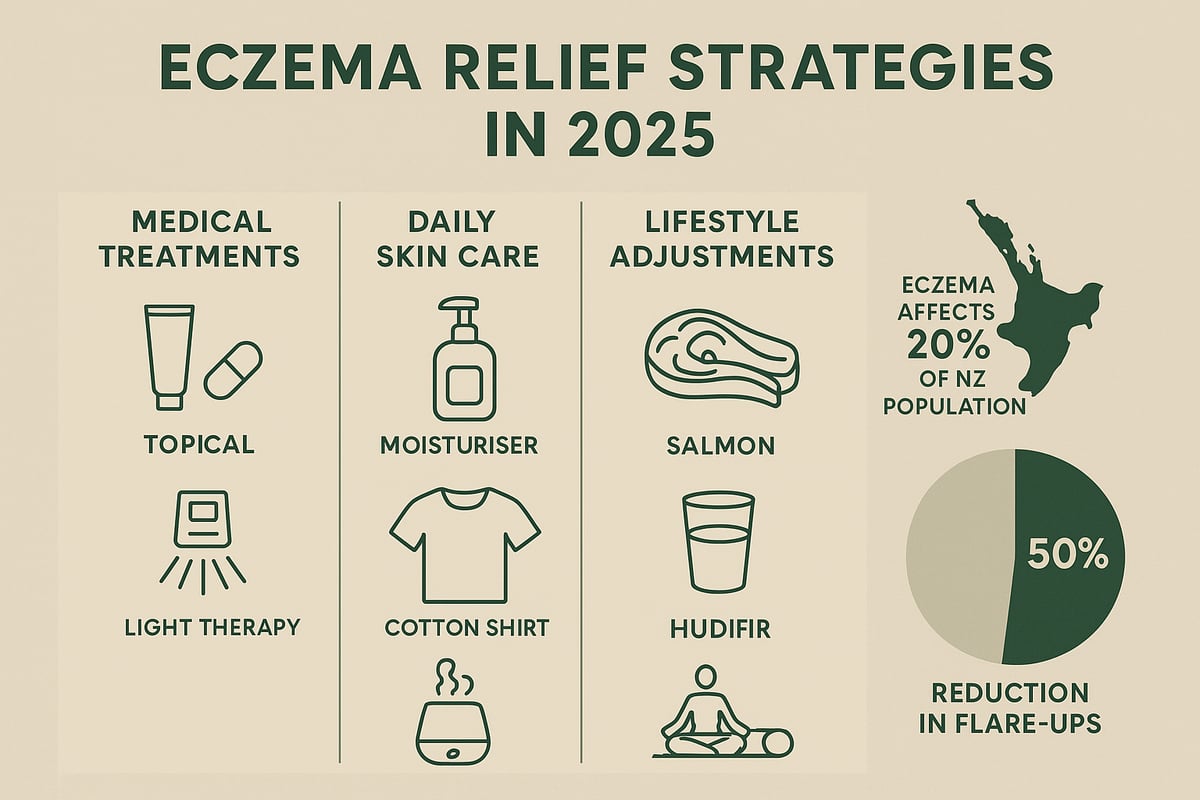
First-line medical treatments for my eczema include topical corticosteroids, calcineurin inhibitors, and antihistamines. These help reduce inflammation, itching, and redness. In recent years, exciting developments such as biologics, immunomodulators, and light therapy have become available for those with moderate to severe cases.
Regular moisturising remains essential. Dermatologists recommend applying a fragrance-free moisturiser within minutes of bathing, as studies show this can cut flare-ups by up to 50 percent. Choose thick creams or ointments over lotions for best results.
Here's a quick comparison of common medical treatments:
| Treatment Type | Use Case | Over-the-counter | Prescription | Notes |
|---|---|---|---|---|
| Topical corticosteroids | Mild-moderate flares | Some | Yes | Use as directed, short-term |
| Calcineurin inhibitors | Sensitive areas, face | No | Yes | Less risk of thinning skin |
| Antihistamines | Night-time itch relief | Yes | Yes | May cause drowsiness |
| Biologics, immunomodulators | Severe, persistent cases | No | Yes | Require specialist supervision |
| Light therapy | Chronic eczema | No | Yes | Usually in clinical settings |
For more practical strategies on clearing stubborn eczema, see Clearing Eczema: Practical Strategies.
Always consult your doctor before starting new treatments for my eczema, especially if symptoms change or worsen.
Daily Habits and Skin Care Routines
Daily care is the foundation of managing my eczema. Begin with a gentle, fragrance-free cleanser, using lukewarm water. Pat skin dry gently, then apply a rich moisturiser straight away to lock in hydration.
- Avoid hot water and harsh, abrasive towels.
- Choose hypoallergenic, fragrance-free products.
- Wear soft, breathable fabrics like cotton or bamboo.
- Keep nails short to prevent skin damage from scratching.
For children, short baths and regular moisturising are key. Dress little ones in loose, cotton clothing, and avoid wool or synthetic fibres. Environmental controls also help—try using a humidifier during dry seasons and regulate indoor temperature.
Here's a sample routine from an eczema sufferer:
- Morning: Cleanse, pat dry, moisturise.
- Throughout day: Reapply moisturiser as needed, especially after handwashing.
- Evening: Gentle bath, immediate moisturiser, apply any prescribed creams.
Consistency with these habits can make a real difference for my eczema.
Diet, Supplements, and Lifestyle Adjustments
What you eat and how you live can influence my eczema. An anti-inflammatory diet that includes omega-3-rich foods like salmon, flaxseed, and walnuts may help calm inflammation. Probiotics, found in yoghurt and fermented foods, show some promise for skin health.
Be cautious with supplements—stick to evidence-based options and avoid miracle cures. Staying well-hydrated, getting enough sleep, and regular exercise all support healthy skin.
Examples from recent studies show people who improved hydration and sleep quality saw fewer flare-ups of my eczema. Keeping a symptom diary can help you spot patterns and triggers.
Work with your healthcare provider to build a personalised plan for my eczema. Small changes in daily habits often lead to big improvements over time.
The Power of Natural Solutions: Mānuka Extract & Beyond
Interest in natural, gentle care for my eczema is soaring across New Zealand. Many people are seeking solutions that soothe without harsh chemicals, especially as sensitive skin demands extra kindness.
Plant-based remedies are becoming a first choice for families who want to avoid irritation and support long-term skin health. The appeal lies in their ability to calm, hydrate, and protect, with fewer side effects than some conventional options.
A growing body of evidence shows that well-chosen natural extracts can ease inflammation and help restore the skin barrier. For those navigating my eczema, these options offer hope for relief that fits their values and lifestyle.
Spotlight on Mānuka Extract: Science, Benefits & Real Results
Mānuka is a native New Zealand plant that has long been valued for its skin-healing power. Unlike standard honey, full-spectrum Mānuka extract captures all the plant’s bioactive compounds, delivering a broader range of benefits for my eczema.
Recent research highlights Mānuka extract’s ability to reduce redness, itching, and help repair the skin’s natural barrier. Its antibacterial and anti-inflammatory properties make it a standout for sensitive skin, including children and adults. Many families report visible improvements within weeks of regular use.
For those seeking science-backed natural care, a clinical study on Mānuka honey's efficacy in eczema treatment found significant reductions in itching and irritation. This positions Mānuka as a powerful, gentle ally for my eczema journey.
Waipu Extracts: Natural Eczema Relief from New Zealand
Waipu Extracts is a New Zealand leader in Mānuka-based eczema care, offering a range of products designed for my eczema. Their Pure Mānuka Extract, Hyper Blend (for targeted relief), Skin Rescue Balm (intensive repair), and Boost Blend (scalp and dandruff support) all harness the full therapeutic power of Mānuka.

What sets Waipu Extracts apart is their unique extraction process, which preserves every active compound in the plant. This results in formulas that are all-natural, chemical-free, and safe for all ages.
Customers often share how these products have eased itching, restored sleep, and improved their skin barrier. Many note fast, visible results when managing my eczema, especially after switching from synthetic treatments. With free express shipping in NZ, a 30 percent discount on Pure Mānuka Extract, and a 4.9 out of 5 satisfaction rating, Waipu Extracts is a trusted choice for families seeking natural, effective relief.
Living Well with Eczema: Practical Tips for Everyday Relief
Living with my eczema can feel overwhelming at times, but small, daily choices can make a world of difference. Creating a supportive environment at home, work, and beyond helps you regain control and find comfort. Let’s explore practical ways to manage my eczema in every part of your life.
Building an Eczema-Safe Home Environment
Your home should be a sanctuary for your skin. Start by minimising dust mites with regular vacuuming and washing bedding in hot water. Choose breathable fabrics like cotton or bamboo for sheets and clothing, as synthetic or wool materials often irritate sensitive skin.
Keep your home’s temperature stable and use a humidifier if the air gets dry, especially during NZ winters. Select fragrance-free, eczema-safe laundry detergents and cleaning products. Many families notice fewer flare-ups after switching to gentler, natural cleaners.
Consider reviewing the Best Product for Eczema to help you pick proven, skin-friendly options for your daily routine. These small adjustments can make my eczema management much easier and more effective.
Managing Eczema at Work, School, and On the Go
My eczema doesn’t pause when you leave home, so being prepared is key. Carry a travel-sized moisturiser or barrier cream for quick relief, especially after washing your hands. For children, keep teachers and school nurses informed about their needs, and pack an emergency eczema kit for excursions.
At work, consider a desk humidifier, use skin-friendly gloves for tasks involving water or chemicals, and avoid contact with harsh cleaning products. If you travel, plan ahead for climate changes by packing suitable clothing and extra moisturisers.
Real stories from people living with my eczema show that preparation and communication can prevent flare-ups and support confidence in any setting.
Emotional Wellbeing and Support Networks
Living with my eczema can impact your confidence and mood, but you’re not alone. Connecting with others in eczema support groups, both online and in-person across NZ, offers comfort and practical advice. Mindfulness, therapy, and relaxation techniques can help manage stress, which often worsens my eczema.
Open conversations with family, friends, and healthcare providers build understanding and reduce feelings of isolation. Many find that sharing their journey leads to better mental health and improved control over my eczema symptoms.
Remember, looking after your emotional wellbeing is just as important as caring for your skin.
After learning about the science behind eczema triggers and how natural solutions can make a real difference, it’s empowering to know you have options for gentle, effective relief. If you’re ready to take the next step towards healthier skin, why not explore the soothing benefits of Mānuka extract for yourself? With its full spectrum of botanical goodness and a track record of helping people just like us find comfort, this could be the natural support your skin has been craving. You deserve to feel confident and comfortable every day—Get Your Mānuka Extract Today.