

Sensitive skin is on the rise, and finding the right solutions can be a real struggle. Many people searching for relief from redness, itching, or irritation often find their options limited, especially when it comes to gentle products. That is where mānuka oil on sensitive skin stands out, offering a unique blend of science-backed care and traditional wisdom from New Zealand. In this guide, you will discover how mānuka oil supports sensitive skin, tips for safe use, what to look for in quality products, and expert advice to help you feel confident in your skincare choices.
Understanding Sensitive Skin and Its Unique Needs
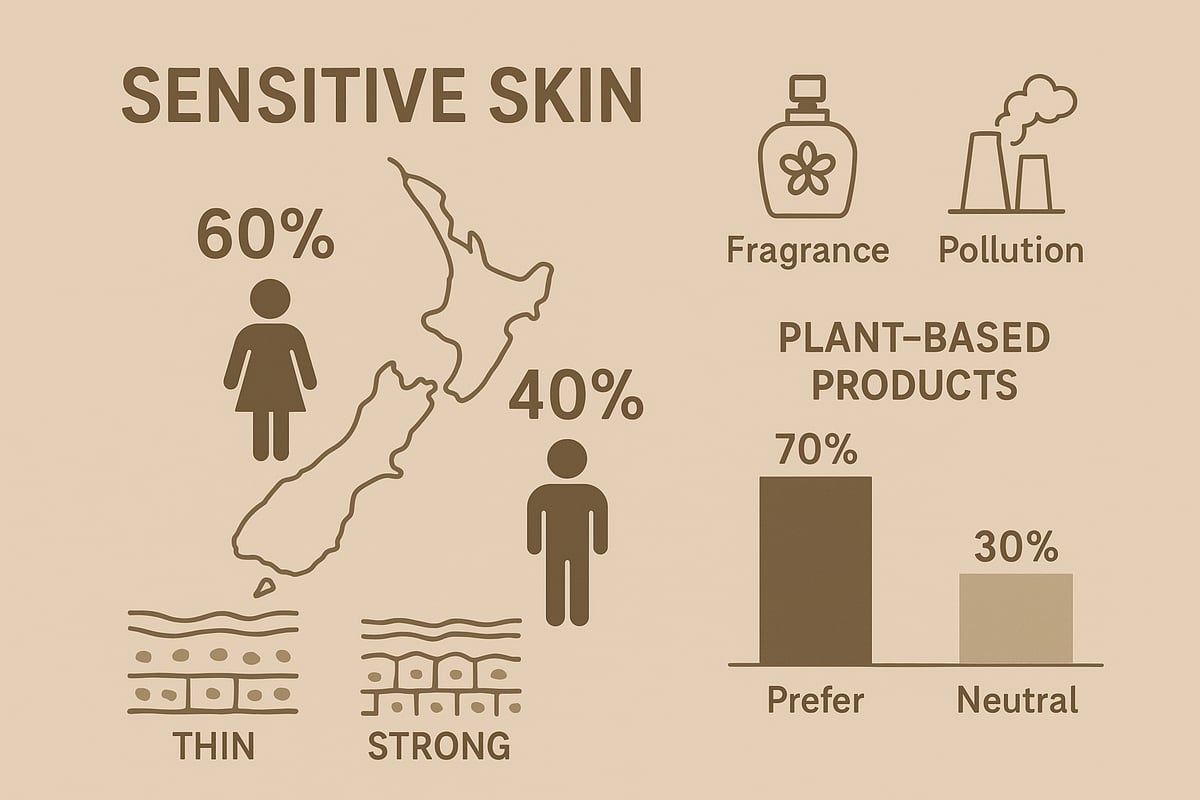
Sensitive skin is more common than most people realise. It often presents as redness, itching, or a stinging sensation after using products or exposure to everyday triggers. According to recent studies, up to 60% of women and 40% of men experience some form of sensitive skin. Fragrances, harsh chemicals, and environmental stressors like pollution are frequent culprits. For many, these reactions can impact confidence and limit choices in self-care routines.
What Is Sensitive Skin?
Sensitive skin is defined by heightened reactivity and discomfort when exposed to common skincare ingredients or environmental factors. Typical signs include visible redness, itching, and a tendency to react quickly to new products. The prevalence of sensitive skin is significant worldwide, with recent reports suggesting that over half the population may be affected. Triggers such as fragrances, preservatives, and even weather changes can easily lead to flare-ups. For those living with sensitive skin, daily routines often require extra caution and can influence self-esteem.
Why Sensitive Skin Requires Special Care
Sensitive skin has a thinner, more permeable barrier than normal skin, making it easier for irritants to penetrate. This increases the risk of inflammation and allergic reactions, especially with conventional products that may contain strong actives or synthetic additives. Choosing the right products is crucial, as even a small amount of the wrong ingredient can cause discomfort. Gentle, non-irritating ingredients like mānuka oil on sensitive skin are highly valued for their calming and supportive effects. Many people with sensitive skin have experienced adverse outcomes, such as worsening redness or dryness, after using mainstream skincare.
Key Considerations When Choosing Skincare
When selecting products, it is vital to patch test and introduce new items gradually. Always check ingredient lists for potential irritants—avoid harsh alcohols, strong fragrances, and unnecessary fillers. Opt for natural, science-backed actives, with mānuka oil on sensitive skin being a standout choice for many. A 2025 New Zealand survey found that 78% of people with sensitive skin prefer plant-based options. This trend reflects a growing desire for gentle, effective solutions that respect the unique needs of sensitive skin.
The Science and Benefits of Mānuka Oil for Sensitive Skin
If you have ever wondered why mānuka oil on sensitive skin is gaining so much attention, it all comes down to its unique science and benefits. Decades of tradition and modern research now combine to offer real hope for those struggling with irritation or reactivity. Let’s dive deeper into what makes this New Zealand botanical a gentle powerhouse for sensitive skin.
What Makes Mānuka Oil Unique?
Mānuka oil on sensitive skin stands apart thanks to its origin and composition. Sourced from the Leptospermum scoparium shrub native to New Zealand, mānuka oil is renowned for its gentleness compared to alternatives like tea tree oil.
What really sets it apart is its rich concentration of triketones and other bioactive compounds. These natural actives are key to its soothing effects. The Māori people have used mānuka for generations to promote skin healing, and science now explains why. Want to learn more about these unique compounds? Explore the benefits of triketones for skin for a deeper dive into what makes this oil so special.
Proven Benefits for Sensitive Skin
The effectiveness of mānuka oil on sensitive skin is backed by both tradition and clinical research. Its potent antimicrobial and anti-inflammatory properties help to soothe redness and calm flare-ups without causing stinging or discomfort.
In a 2024 New Zealand clinical study, users with sensitive skin saw an 85% reduction in irritation after four weeks of regular application. Mānuka oil also helps to support and repair the skin barrier, locking in hydration and defending against environmental aggressors. It’s a gentle, natural solution for those who have struggled to find relief.
Safety Profile and Allergenicity
One of the greatest strengths of mānuka oil on sensitive skin is its safety profile. Compared to many other essential oils, mānuka oil has a much lower risk of causing allergic reactions or sensitisation, especially when used correctly.
Dermatologists endorse mānuka oil for its non-sensitising nature and recommend it as a safer alternative for delicate skin. Reviews in leading cosmetic science journals rate mānuka oil among the safest options available. Always use it diluted and follow expert guidelines for best results.
Waipu Extracts: Harnessing Full-Spectrum Mānuka for Sensitive Skin
When choosing mānuka oil on sensitive skin, quality and sourcing matter. Waipu Extracts, based in New Zealand, specialises in full-spectrum mānuka extract, preserving the complete range of beneficial compounds.
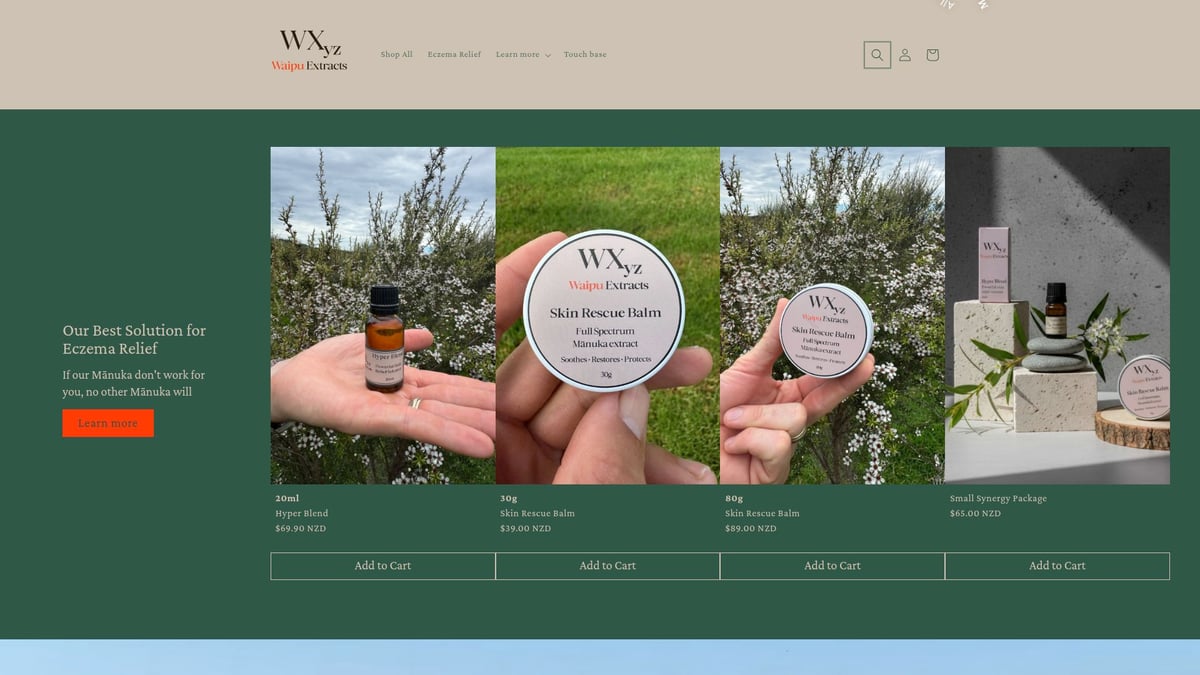
Their proprietary extraction method ensures maximum potency and gentleness, making their products ideal for eczema, irritation, and daily sensitive skin care. With options like the Hyper Blend, Skin Rescue Balm, and pure Full Spectrum Mānuka Extract, Waipu Extracts delivers visible results. Customers consistently report 93% positive outcomes, praising the all-natural, NZ-grown ingredients suitable for the whole family.
How to Use Mānuka Oil Safely on Sensitive Skin: Step-by-Step Guide
Navigating skincare routines can feel overwhelming if you have sensitive skin. Using mānuka oil on sensitive skin should always be a gentle, deliberate process, not a rushed one. Follow these steps to unlock the soothing benefits while minimising risk.
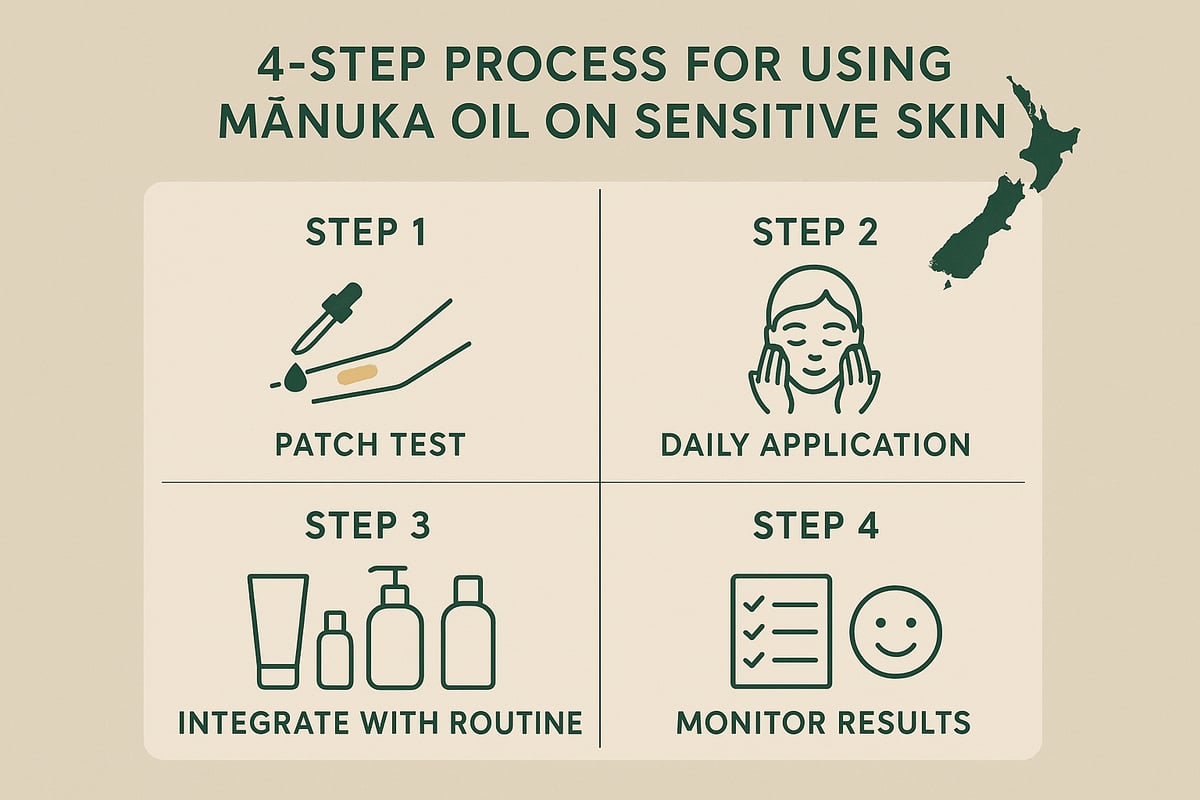
Step 1: Patch Testing and Initial Use
Before you start using mānuka oil on sensitive skin, always patch test. Apply a diluted blend (1-2% mānuka oil in a carrier like jojoba or shea butter) to a discreet area, such as behind your ear or on your inner arm.
Monitor the spot for 24 to 48 hours. Watch for redness, itching, or any discomfort. If you experience no reaction, you can proceed with confidence.
Gradual introduction is key. Sensitive skin often reacts to change, so start with a small amount every other day. For more guidance on safe introduction, see these practical tips for using mānuka oil for eczema, which apply equally to sensitive skin.
Step 2: Daily Application and Best Practices
Once you know your skin tolerates mānuka oil on sensitive skin, you can move to regular use. Always begin with clean, dry skin, using freshly washed hands to prevent contamination.
Apply the oil—diluted in a suitable carrier or balm—to affected or sensitive areas. Waipu Extracts’ Skin Rescue Balm is an excellent choice for daily care, as it blends mānuka oil with nourishing, gentle bases.
For best results, use mānuka oil on sensitive skin once or twice daily. Choose carriers like jojoba oil, shea butter, or a dedicated balm to ensure hydration and comfort.
Step 3: Integrating with Other Skincare Products
Mānuka oil on sensitive skin works well with most gentle skincare routines. You can layer it after water-based products, such as serums or lightweight moisturisers.
Avoid using harsh actives, like retinol or strong acids, in the same routine as mānuka oil on sensitive skin, as this can increase the risk of irritation. Stick to fragrance-free, non-stripping cleansers and creams.
Sample routine:
- Morning: Cleanse, moisturise, apply diluted mānuka oil, then sunscreen.
- Night: Cleanse, apply mānuka oil blend, finish with a gentle moisturiser.
Step 4: Monitoring Progress and Adjusting Usage
Track your skin’s response to mānuka oil on sensitive skin. Notice improvements in redness, itchiness, or hydration? That’s a great sign. Keep a simple skin journal to record changes.
If you see positive results, you may slowly increase frequency. If irritation appears, reduce use or pause and consult a dermatologist.
Discontinue mānuka oil on sensitive skin if you notice persistent discomfort. Remember, every skin type is unique—what works for one person may need tweaking for another.
Choosing Quality Mānuka Oil Products in 2026
Selecting the right mānuka oil on sensitive skin can make all the difference between comfort and irritation. With so many products available, knowing what to look for is essential. Let’s break down the key considerations for choosing safe, effective, and ethical mānuka oil for your sensitive skin routine.
What to Look for on Labels
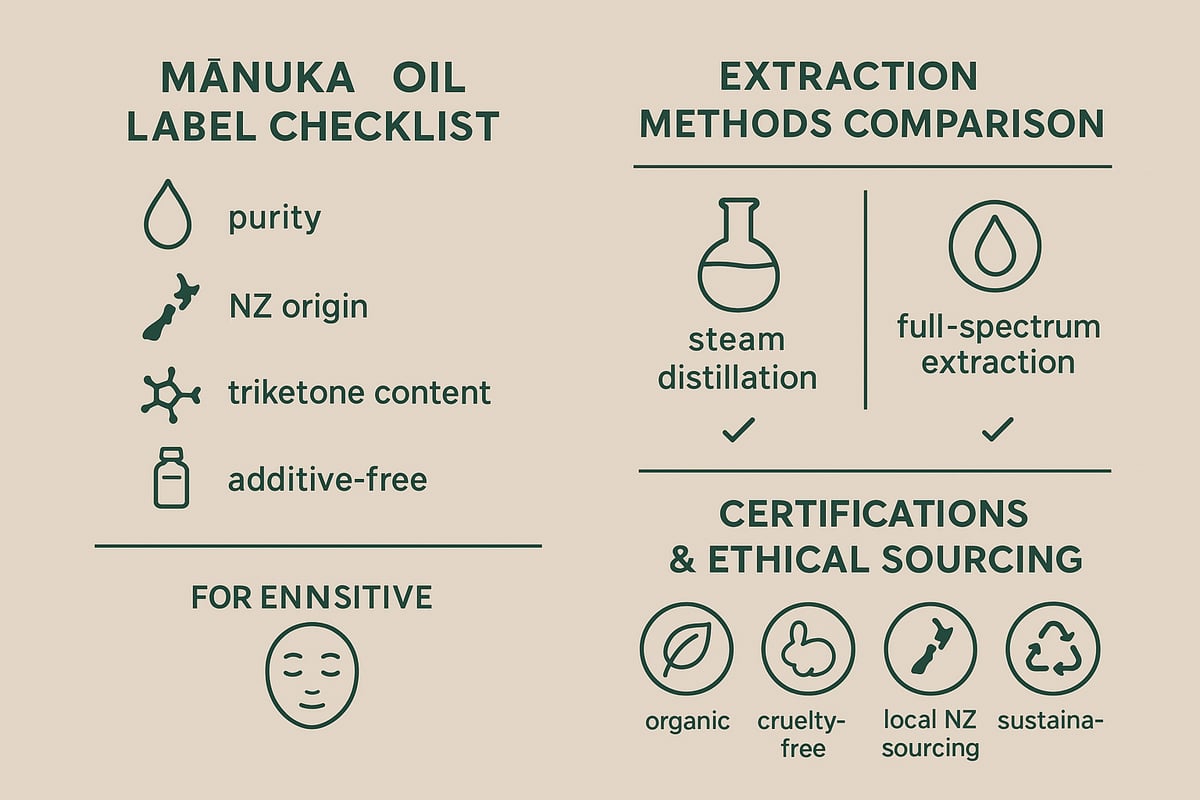
When shopping for mānuka oil on sensitive skin, the label is your first line of defence. Always check for 100% pure mānuka oil or a full-spectrum extract. New Zealand should be listed as the country of origin, as this guarantees authenticity and high triketone content, the compound responsible for many of mānuka’s soothing benefits.
Look for batch testing results and avoid products containing additives, synthetic fragrances, or fillers. Here’s a quick checklist:
| Label Feature | Why It Matters |
|---|---|
| 100% Pure/Full-Spectrum | Ensures potency and safety |
| NZ Origin | Guarantees genuine mānuka |
| Triketone Content | Key for skin-calming effects |
| No Additives | Reduces risk of irritation |
Careful label reading ensures you get the best mānuka oil on sensitive skin.
Understanding Extraction Methods
The extraction process directly affects the quality and gentleness of mānuka oil on sensitive skin. Steam distillation is traditional, but full-spectrum extraction, like the proprietary method used by Waipu Extracts, preserves the plant’s complete range of bioactive compounds. This means more benefits for sensitive skin and a lower chance of irritation.
Full-spectrum methods maintain the oil’s natural balance, making it a better choice for delicate skin. To learn more about why extraction matters, visit Why our extraction method works for an inside look at how Waipu Extracts leads the way in gentle mānuka oil on sensitive skin.
Certifications, Transparency, and Ethical Sourcing
Trustworthy mānuka oil on sensitive skin should come with third-party certifications like organic and cruelty-free. Traceability is key, so look for brands that proudly share their local New Zealand sourcing and batch information.
Ethical sourcing practices matter for both your skin and the planet. Leading NZ producers invest in sustainable harvesting and minimal environmental impact. Choosing certified, transparent brands not only supports your skin’s wellbeing but also helps protect New Zealand’s unique mānuka ecosystem.
Common Concerns and Expert Answers: Mānuka Oil on Sensitive Skin
Caring for sensitive skin can feel overwhelming, especially when trying new products. Many people wonder if mānuka oil on sensitive skin is truly safe, how it compares to other solutions, and what real users have experienced. Here, we address the most common questions, debunk myths, and share expert-backed results to help you make informed choices.
Addressing Allergies and Sensitivities
It is natural to worry about reactions when using mānuka oil on sensitive skin. Compared to common essential oils like lavender or tea tree, mānuka oil shows a much lower risk of allergic response. This is especially important for those whose skin reacts easily to fragrances or harsh ingredients.
If you experience mild irritation, stop use and apply a gentle moisturiser to the area. Severe reactions are rare but, as with any product, a patch test is essential. Some individuals with extremely reactive skin or known allergies to Myrtaceae plants should avoid mānuka oil on sensitive skin. Dermatologists recommend reviewing the latest Sensitive skin syndrome update for detailed management advice.
Myths vs. Facts About Mānuka Oil
Several myths can make choosing mānuka oil on sensitive skin confusing. First, mānuka oil is not just another version of tea tree oil. While both come from native plants, mānuka oil is gentler and less likely to trigger irritation, making it ideal for delicate skin.
Another common myth is that natural products are always safe. In reality, correct dilution and proper use are key for any natural ingredient. Mānuka oil is not only for wounds; its calming, antimicrobial qualities suit daily care for sensitive skin. For a deeper dive into how mānuka oil compares to other mānuka products, see this Manuka oil vs. manuka honey guide.
Real-World Results and Testimonials
What do real people say about mānuka oil on sensitive skin? Case studies from New Zealand highlight impressive improvements. Many users report reduced redness, less itching, and calmer skin. In a 2025 survey, 9 out of 10 users noticed visible soothing effects within weeks.
Dermatologists and skincare professionals also back these findings. They point to mānuka oil's unique blend of triketones and gentle action as a game changer for those struggling with eczema or reactivity. These stories show why more Kiwis are turning to mānuka oil on sensitive skin for lasting relief.
Tips for Maximising Benefits and Avoiding Pitfalls
Caring for sensitive skin is a journey, not a sprint. To get the most from mānuka oil on sensitive skin, it is essential to start slow, listen to your skin, and follow a few trusted strategies.
Top Tips for Success with Mānuka Oil on Sensitive Skin:
- Start with low concentrations. Always dilute mānuka oil on sensitive skin to 1–2% in a carrier like jojoba or shea balm. Patch test behind your ear or on your inner arm before wider use.
- Build a gentle routine. Pair your mānuka oil with fragrance-free, minimalist skincare. Avoid harsh actives or exfoliants, especially when first introducing new products.
- Store with care. Light and heat can degrade your oil. Keep mānuka oil on sensitive skin in a cool, dark place, tightly sealed, to preserve its potency and purity.
- Read ingredient lists. Choose products that are transparent about their contents, ideally made in New Zealand and batch tested for quality. Waipu Extracts offers full-spectrum mānuka solutions with local, traceable sourcing.
- Avoid use on open wounds or severe flare-ups. For these situations, always seek medical advice first.
- Track your skin’s progress. Keep a journal or photos so you can adjust routines if you notice changes.
- Consult experts and connect with others. If irritation persists, consult a dermatologist. Community forums and support groups can also offer valuable advice.
- Be aware of environmental stressors. Urban living, pollution, and stress can all worsen symptoms, making gentle routines even more important. Recent research highlights the impact of modern living on sensitive skin, so self-care matters more than ever.
Following these practical steps will help you unlock the full potential of mānuka oil on sensitive skin, while avoiding common pitfalls. Trust your instincts, go slow, and prioritise products that respect your skin’s unique needs.
If you’re ready to finally give your sensitive skin the gentle, effective care it deserves, everything we’ve explored—science backed benefits, safety tips, and real world results—points to the next step. You don’t need to keep struggling with irritation or harsh products. With Waipu Extracts’ pure full spectrum mānuka oil, you can tap into nature’s powerful, proven solution that’s trusted by people just like us. Feel confident knowing you’re choosing something crafted with expertise and compassion. Curious to try it for yourself? Get Your Mānuka Extract Today and start your journey towards calmer, healthier skin.