

Struggling to find the right face cream eczema solution for your sensitive skin? You are not alone. Eczema can be relentless, affecting millions across New Zealand and beyond, making everyday skincare choices feel overwhelming.
This guide is designed to empower you with the latest expert insights and actionable steps for managing facial eczema in 2025. We will explore the causes, what to look for in a face cream eczema routine, must-have ingredients, and the most exciting natural breakthroughs from New Zealand.
Ready to discover proven routines and innovative solutions? Let’s take the first step towards healthier, soothed skin together.
Understanding Eczema: Causes, Triggers, and Symptoms
Eczema is more than just a skin issue—it’s a chronic condition that can deeply affect your daily life, especially when it appears on your face. Understanding what causes eczema and how it shows up is the first step to building a face cream eczema routine that truly works. Let’s break down what you need to know about this common yet complex skin challenge.
What is Eczema?
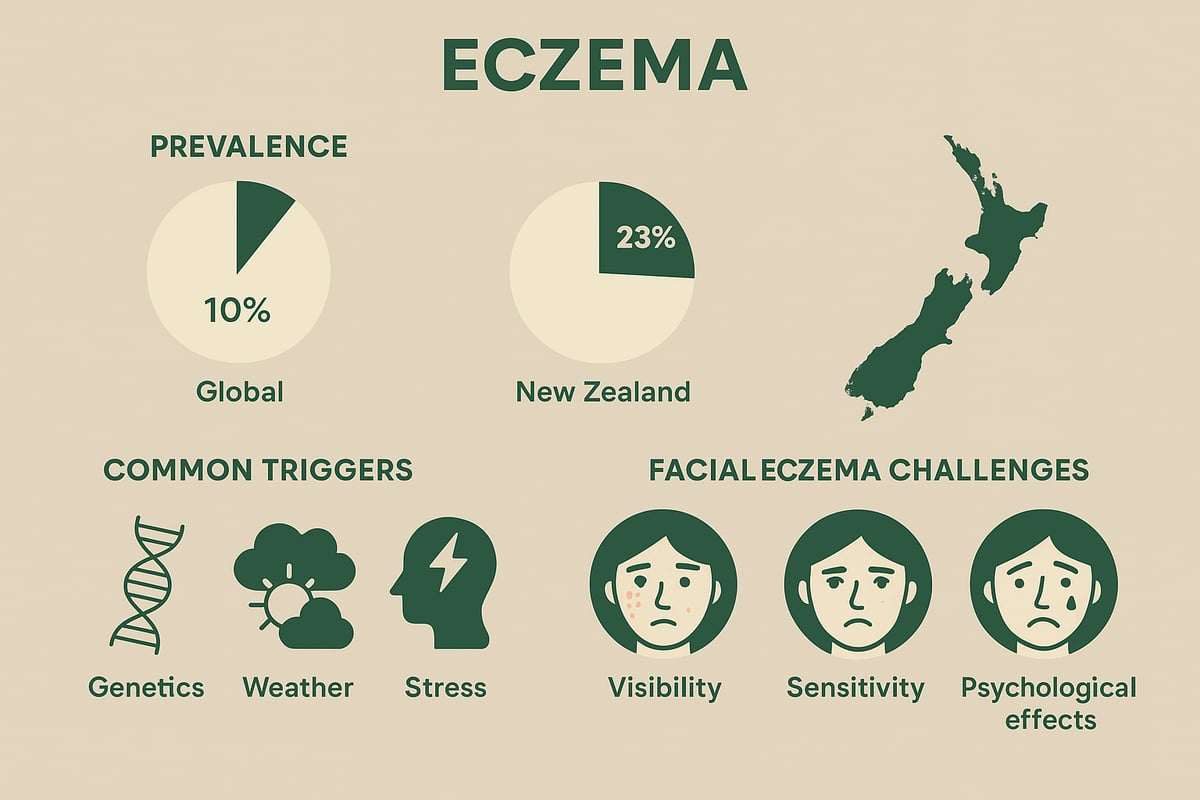
Eczema, also called atopic dermatitis, is a chronic inflammatory skin disorder marked by dry, itchy, and inflamed patches. It often starts in childhood but can affect people of all ages. In New Zealand, eczema is particularly common, with up to 20% of children and 10% of adults affected. Globally, millions manage this condition, making it a significant public health concern. When eczema appears on the face, it can disrupt sleep, lower self-confidence, and complicate simple routines like applying face cream eczema products.
Common Triggers and Causes
Several factors can trigger or worsen eczema, especially on the face. Genetics play a major role—if a parent has eczema, the risk increases. Environmental influences like fluctuating temperatures, humidity, and pollution can set off flare-ups. Everyday irritants such as soaps, detergents, and even stress are well-known triggers. Recent New Zealand research shows higher eczema rates in urban areas compared to rural, likely due to increased exposure to pollutants. Recognising these triggers is crucial for anyone choosing a face cream eczema solution.
Common Eczema Triggers Table
| Trigger Type | Examples |
|---|---|
| Genetic | Family history |
| Environmental | Weather, pollution |
| Irritants | Soaps, detergents, fabrics |
| Lifestyle | Stress, lack of sleep |
Facial Eczema: Unique Challenges
Facial eczema is especially tough due to the skin’s sensitivity and the condition’s visibility. Even mild redness or flaking can affect your confidence and lead to social anxiety. Many patients in New Zealand dermatology clinics share stories of avoiding social events or feeling self-conscious at work. The right face cream eczema routine offers hope for relief. For more tailored advice, see this guide on Eczema treatment for the face, which covers practical tips for managing facial symptoms without further irritation.
Essential Ingredients in Face Creams for Eczema
Finding the right face cream eczema solution starts with understanding what goes into your skincare. The right blend of ingredients can mean the difference between calm, hydrated skin and a frustrating flare-up. Let’s break down what matters most for soothing, protecting, and nourishing eczema-prone faces.
Moisturisers: The Foundation
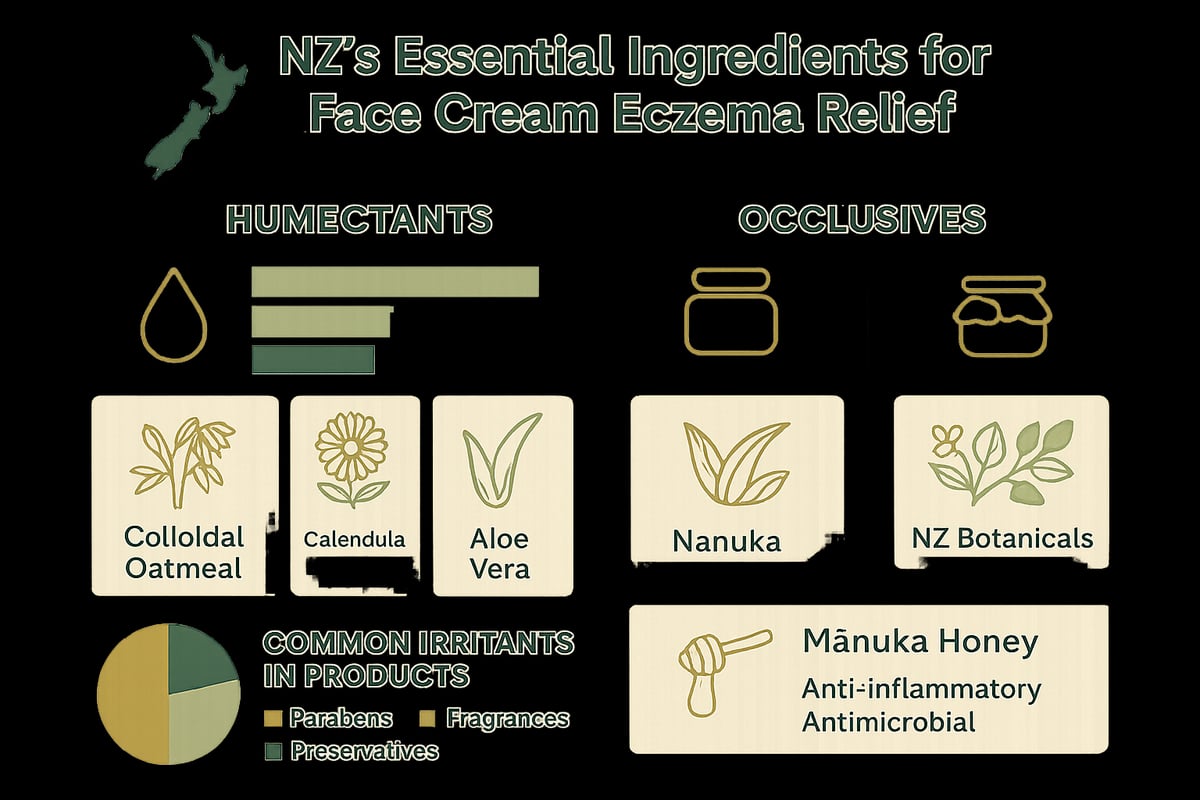
A quality face cream eczema formula always starts with the right moisturiser. Hydration is vital, as dry skin is more vulnerable to irritation and flare-ups. Moisturisers come in two main types: humectants, like glycerin and hyaluronic acid, which draw water into the skin, and occlusives, such as petrolatum and ceramides, which lock moisture in.
| Type | Examples | Function |
|---|---|---|
| Humectants | Glycerin, Hyaluronic Acid | Attract water to skin |
| Occlusives | Petrolatum, Ceramides | Prevent water loss |
Experts recommend applying face cream eczema products daily, ideally after cleansing, to maintain the skin’s barrier. For more clinical insights, see this comprehensive review on emollients and moisturisers for eczema.
Anti-Inflammatory and Soothing Agents
For many, the difference between ordinary and extraordinary face cream eczema relief lies in calming ingredients. Colloidal oatmeal, calendula, and aloe vera are all proven to soothe inflammation and support healing. In New Zealand, unique botanicals like kawakawa and mānuka are gaining attention for their gentle, effective properties.
Clinical studies back up these natural solutions, showing reduced redness and itchiness in many users. NZ extracts, especially mānuka, are now being included in advanced formulas for their strong anti-inflammatory and antimicrobial effects. If you’re looking for a soothing touch, seek out these trusted botanicals on your product labels.
Avoiding Irritants and Allergens
Choosing a face cream eczema product means knowing what to avoid as much as what to include. Common irritants like fragrances, alcohol, and parabens are notorious for triggering reactions. Always read ingredient lists carefully, and look for products labelled fragrance-free and hypoallergenic.
Did you know? Over 60% of eczema sufferers report irritation from synthetic additives. To protect your skin, opt for simple, gentle formulas and perform a patch test before applying a new product to your entire face. This mindful approach helps reduce the risk of unexpected flare-ups and keeps your skin calm.
The Rise of Mānuka-Based Solutions
In recent years, mānuka honey and extracts have become standout ingredients in face cream eczema formulas, especially in NZ. Mānuka is celebrated for its unique combination of anti-inflammatory and antimicrobial properties, proven in both clinical studies and real-world use.
Unlike regular honey or synthetic alternatives, NZ mānuka extract contains a full spectrum of active compounds that work together to soothe and protect sensitive skin. As demand grows worldwide, mānuka-based face cream eczema options are setting a new global standard for natural, effective care.
Step-by-Step Routine: How to Apply Face Cream for Eczema
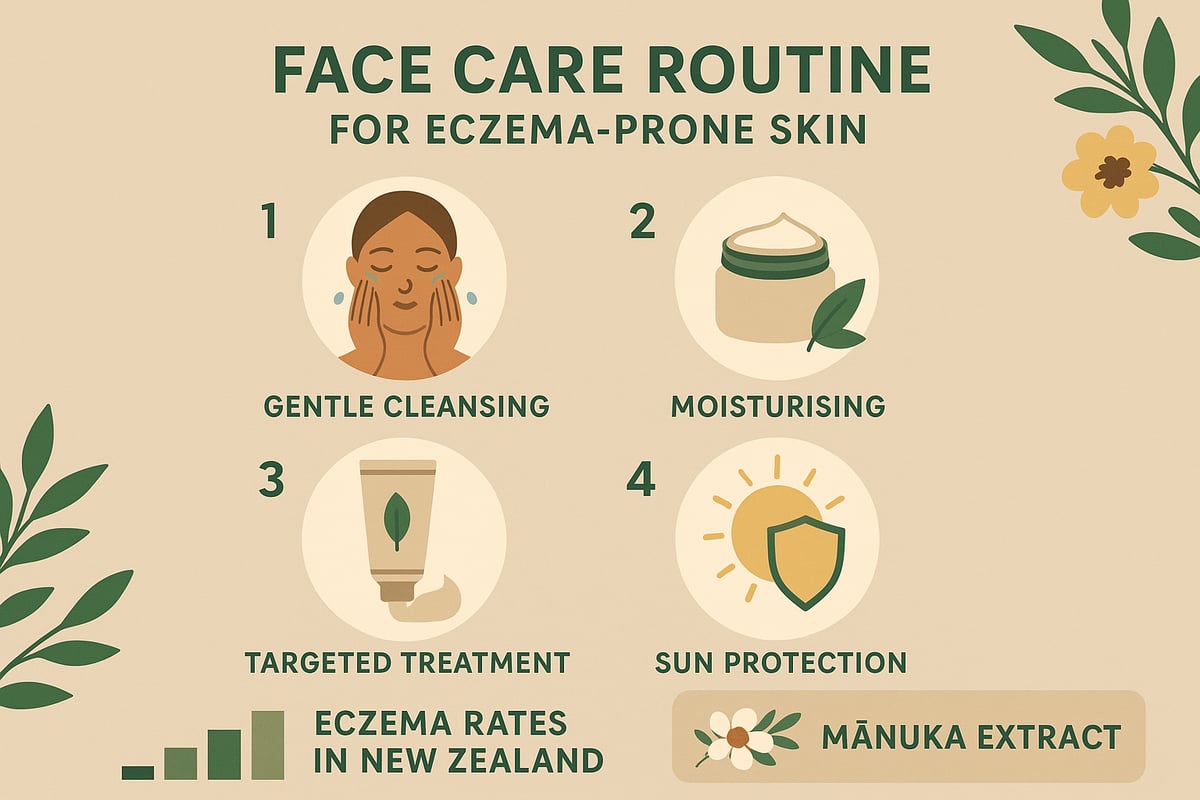
Caring for eczema-prone skin on the face requires a gentle, methodical approach. Each step in your daily routine helps strengthen your skin barrier and reduce flare-ups. By following a proven process, you can maximise the benefits of your face cream eczema products while keeping irritation at bay.
Step 1: Gentle Cleansing
Start your face cream eczema regimen with a cleanser designed for sensitive skin. Choose a soap-free, non-foaming formula to avoid stripping natural oils. Lukewarm water is best—hot water can worsen dryness or trigger irritation.
Pat your face dry with a soft towel, never rub. Look for cleansers from trusted NZ brands that use minimal ingredients and avoid synthetic fragrances. This simple step lays the foundation for healthier skin and prepares your face for moisturising.
Step 2: Immediate Moisturising
Apply your face cream eczema solution within three minutes of cleansing to lock in hydration. Layer products if needed: start with a hydrating serum, then a rich cream, and finish with an ointment for stubborn dry patches.
When choosing a moisturiser, focus on those with ingredients like ceramides, glycerin, and mānuka extract. For more guidance on picking the right product, see this practical guide on Choosing a cream for eczema. Always check labels for potential allergens and patch test new creams.
Step 3: Targeted Treatment
For occasional flare-ups, add targeted treatments to your face cream eczema routine. Use prescription or over-the-counter options as advised by your GP or dermatologist. Low-strength corticosteroids can be safe for short-term facial use, but always monitor for thinning skin or increased redness.
Spot treatments with mānuka-based gels or natural anti-inflammatories may offer extra relief, especially for NZ residents who respond well to botanical actives. Keep a diary of what works for your skin.
Step 4: Sun Protection and Barrier Support
Finish your face cream eczema routine with a gentle, broad-spectrum SPF. Mineral sunscreens with zinc oxide or titanium dioxide are ideal for sensitive faces. Barrier creams containing mānuka extract or kawakawa can offer extra defence against harsh weather.
Apply sunscreen daily, even on cloudy days, and reapply as needed. Supporting your skin’s barrier with consistent care helps reduce the risk of new flare-ups and keeps your complexion calm.
Expert Solutions: Breakthroughs in 2025 Face Creams
Finding the right face cream eczema solution can feel overwhelming with rapid advances in skincare technology and natural therapies. In 2025, experts are combining science and nature to create more effective, gentle, and sustainable options for eczema-prone faces.
Latest Research and Innovations
In 2025, face cream eczema treatments are seeing breakthroughs in both formulation and delivery. Lipid-based creams now mimic the skin's natural barrier, locking in moisture and reducing irritation. Microbiome-friendly products are trending, supporting the skin's beneficial bacteria and reducing flare-ups.
Recent clinical trials show that these new formulations can improve hydration and reduce symptoms for over 70% of users. Researchers also highlight a shift toward eco-friendly packaging, with brands offering recyclable, refillable, and biodegradable options.
Sustainability is no longer just a buzzword, it is a key consideration for consumers seeking both effective and responsible face cream eczema care.
Spotlight: Natural Solutions from New Zealand
New Zealand is leading the way with botanically powered face cream eczema solutions. Indigenous plants like kawakawa, harakeke, and especially mānuka are being harnessed for their soothing and restorative properties.
Scientific studies confirm that mānuka extract contains potent anti-inflammatory and antimicrobial compounds, making it a standout ingredient for sensitive skin. Dermatology clinics across NZ are reporting positive outcomes, with patients experiencing calmer, more resilient skin after switching to creams enriched with these native extracts.
If you are seeking a face cream eczema option that blends modern science with nature, NZ botanicals offer a promising path forward.
Waipu Extracts: Full Spectrum Mānuka for Eczema Relief
Waipu Extracts has pioneered a world-first full spectrum mānuka extract, designed specifically for face cream eczema relief. Their unique extraction process preserves every bioactive compound found in raw mānuka, delivering a broader range of soothing and healing benefits compared to standard mānuka honey or synthetic alternatives.

Customer testimonials and clinical studies point to faster relief from redness, itching, and dryness. The difference lies in the full spectrum approach, which enhances skin barrier repair and calms inflammation at its source.
Learn more about the science behind mānuka and explore real stories of eczema relief in NZ by visiting Eczema relief with mānuka extract. Choosing a NZ-sourced face cream eczema product like Waipu Extracts means trusting in world-leading natural care.
Choosing the Right Face Cream: What to Look For in 2025
Finding the best face cream eczema solution in 2025 can feel overwhelming, but a few key guidelines can simplify your search. The right choice will support your skin’s health, soothe irritation, and help you feel confident every day.
Key Criteria for Eczema-Friendly Creams
When selecting a face cream eczema product, focus on formulas that are fragrance-free and hypoallergenic. Dermatologist-tested creams are less likely to trigger irritation, and a lightweight texture can improve comfort, especially for daily use.
Absorption matters too. Creams rich in humectants and ceramides will lock in moisture without feeling greasy. Consider products suitable for all skin tones and ages, especially if your household has multiple users.
Here’s a quick table to help you compare:
| Criteria | Why It Matters |
|---|---|
| Fragrance-Free | Reduces risk of flare-ups |
| Hypoallergenic | Safer for sensitive skin |
| Dermatologist-Tested | Backed by clinical safety |
| Non-greasy Texture | Comfortable daily use |
| Broad Suitability | Good for all ages/tones |
For a detailed look at leading options, check out the Best product for eczema in NZ guide for up-to-date recommendations.
Reading Labels and Understanding Certifications
Reading the label on a face cream eczema product can be tricky, but a little knowledge goes a long way. “Eczema-safe” and “sensitive skin” claims should be backed by clear ingredient lists and recognised certifications, such as the National Eczema Association Seal.
Look for creams that avoid alcohol, parabens, and harsh preservatives. In New Zealand, many top brands follow strict standards, but it’s still important to compare with global certifications. Some NZ brands also highlight mānuka and kawakawa extracts, which have shown natural soothing benefits.
If in doubt, refer to up-to-date clinical evidence, such as the Efficacy of Nonprescription Moisturizers for Atopic Dermatitis review, to understand which over-the-counter creams are truly effective.
Patch Testing and Personalisation
Before fully committing to any face cream eczema solution, always patch test. Apply a small amount behind your ear or on your inner arm, then monitor for 24 hours. If no redness or itching appears, it’s likely safe for your face.
Adjust your routine with the seasons. Dryer months may need a richer cream, while humid weather might call for something lighter. If flare-ups persist, consult a dermatologist or your GP in NZ for personalised advice.
A tailored approach ensures your skin gets exactly what it needs, making your face cream eczema routine both safer and more effective.
Common Mistakes and Myths About Face Creams for Eczema
Navigating the world of face cream eczema care can feel overwhelming, especially with so much conflicting advice. Misconceptions and common mistakes not only hinder progress but can make symptoms worse. Let’s break down the most frequent pitfalls so you can avoid them and achieve calmer, healthier skin.
Misconceptions That Worsen Eczema
One major mistake with face cream eczema routines is believing more is always better. Overusing steroid creams or harsh actives can thin the skin and make eczema worse, especially on sensitive facial areas. Another myth is assuming “natural” always means “safe.” In reality, some botanical extracts can trigger reactions if not clinically tested.
Skipping moisturiser during remission is another common issue. Consistent hydration is crucial, even when your skin looks clear. According to recent studies, regular use of emollients can prevent flare-ups and support the skin barrier. You can learn more about the importance of emollients in eczema care from the Emollient treatment of atopic dermatitis clinical review.
Mistakes in Application and Product Choice
Applying face cream eczema products incorrectly can undermine your entire routine. For best results, always apply moisturiser to damp skin, not dry. This helps lock in hydration and supports your skin’s barrier.
Other frequent mistakes include:
- Ignoring the impact of New Zealand’s changing climate on your skin’s needs
- Using too many products at once, which can overwhelm sensitive skin
- Not reading ingredient labels for hidden irritants
Choosing the right routine means adapting to your environment and lifestyle. If you’re not seeing improvement, consider simplifying your products and focusing on proven, gentle formulas.
Debunking Popular Myths
There’s a persistent myth that face cream eczema can be “cured” with the perfect product. In reality, eczema is a chronic condition that requires ongoing management, not a one-time fix. Another misconception is that all face creams work the same way. That’s simply not true, especially for sensitive, eczema-prone skin.
Dermatologists and New Zealand health authorities stress the importance of using fragrance-free, clinically tested creams—ideally those with ingredients like mānuka extract, which offer both soothing and antimicrobial benefits. When choosing products, look for real evidence and testimonials, not just marketing claims. Remember, a tailored approach is your best defence against flare-ups.
If you’re feeling overwhelmed by all the face cream options out there for eczema, you’re definitely not alone—I see so many people struggling to find relief that truly lasts. After exploring the science, routines, and incredible natural solutions in this guide, it’s clear that harnessing the full power of Mānuka isn’t just a trend, it’s a game-changer for sensitive skin. If you’re ready to take the next step towards calmer, healthier skin with a product backed by both nature and research, why not see the difference for yourself?
Get Your Mānuka Extract Today