

Struggling to find real eczema relief for sensitive skin? You’re not alone. Every day, millions across New Zealand and Australia search for answers as harsh products and daily triggers make eczema treatment for sensitive skin especially tough.
If you’ve tried countless creams or routines with little comfort, this 2026 expert guide is for you. We’ll share gentle, effective, and science-backed solutions that truly make a difference, including the latest breakthroughs in natural care from New Zealand’s own Mānuka extracts.
Here, you’ll discover how to understand your skin’s needs, pinpoint triggers, build a tailored step-by-step plan, and explore both natural and medical options. We’ll cover the newest research and offer practical tips to help you reclaim comfort and confidence—every single day.
Understanding Eczema and Sensitive Skin
Living with eczema can feel like a never-ending cycle of itch, flare, and frustration, especially when your skin is sensitive. Before diving into solutions, it helps to understand what eczema is, why sensitive skin needs special attention, and how it differs from “normal” skin.
What is Eczema?
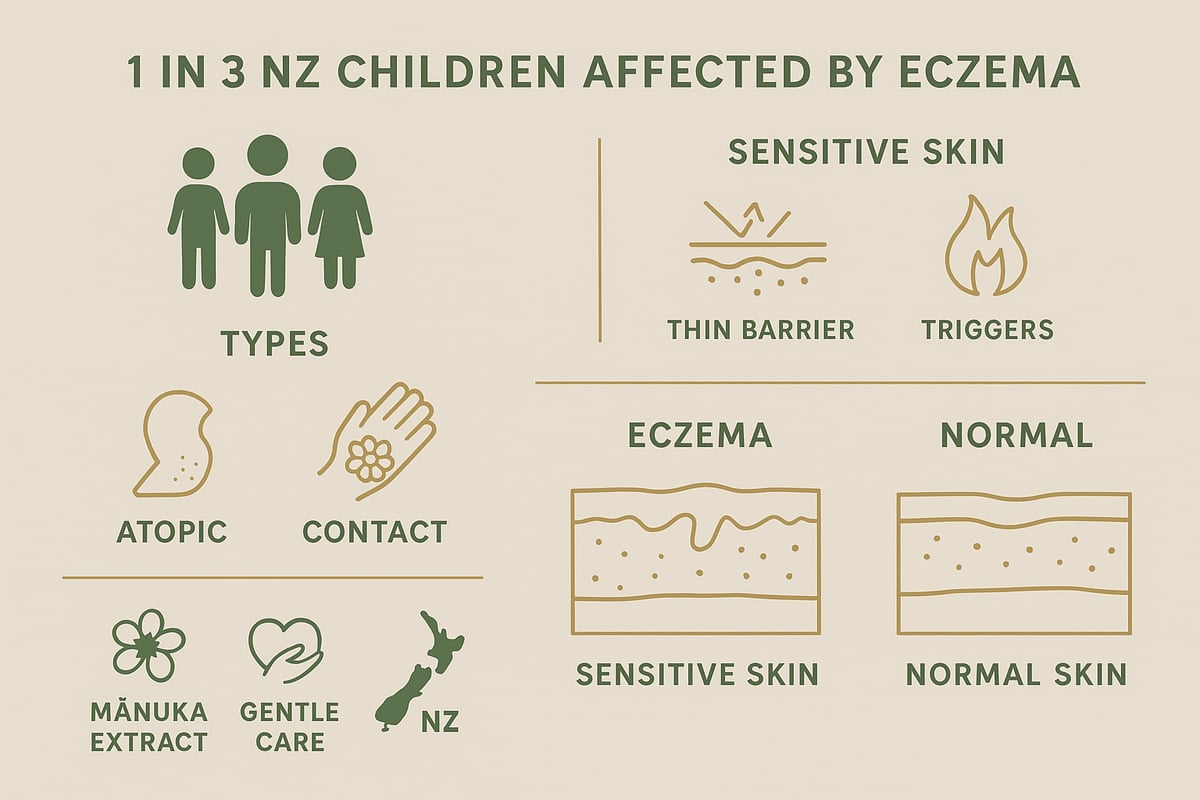
Eczema is an umbrella term for a group of skin conditions, most commonly atopic dermatitis and contact dermatitis. It causes the skin to become itchy, red, dry, and prone to flare-ups. In New Zealand and Australia, eczema is especially common, with about one in three children affected at some point.
Symptoms can include:
- Persistent itching
- Red, inflamed patches
- Dry or scaly skin
- Oozing or crusting during severe flares
Eczema does more than affect the skin. It can disrupt sleep, lead to social anxiety, and impact emotional wellbeing. That’s why finding an effective eczema treatment for sensitive skin is so important for overall quality of life.
Why Sensitive Skin Needs Special Care
Sensitive skin has a thinner, more reactive barrier, making it more likely to sting, burn, or break out in response to common irritants. Everyday triggers include fragrances, harsh chemicals, and even sudden changes in temperature.
People with sensitive skin often react badly to standard treatments, so using gentle, targeted products is crucial. If you’re looking for comprehensive strategies, check out Eczema relief for sensitive skin for science-backed advice tailored to delicate skin types.
Choosing the right eczema treatment for sensitive skin means focusing on hypoallergenic, fragrance-free formulas and natural ingredients like New Zealand Mānuka extract, which supports skin without irritation.
Key Differences: Eczema on Sensitive vs. Normal Skin
Eczema on sensitive skin isn’t just more uncomfortable, it’s also more complicated. The inflammation tends to be stronger and the skin barrier is more easily disrupted. This increases the chances of allergic or irritant reactions, especially to mainstream creams.
Let’s compare:
| Feature | Sensitive Skin | Normal Skin |
|---|---|---|
| Barrier Strength | Thin, fragile | More resilient |
| Reaction Risk | High | Moderate |
| Flare Response | Intense, frequent | Less severe |
For some, even low-strength steroid creams can trigger stinging or redness. That’s why a hypoallergenic, non-irritating eczema treatment for sensitive skin is essential for lasting relief and comfort.
Identifying Triggers and Personalising Your Eczema Management
Finding the right eczema treatment for sensitive skin starts with understanding what sets off your symptoms. Triggers can vary wildly from person to person, especially across New Zealand’s diverse climate and lifestyle. Pinpointing your unique triggers is the first step to regaining control and finding lasting relief.
Common Eczema Triggers in NZ and AU
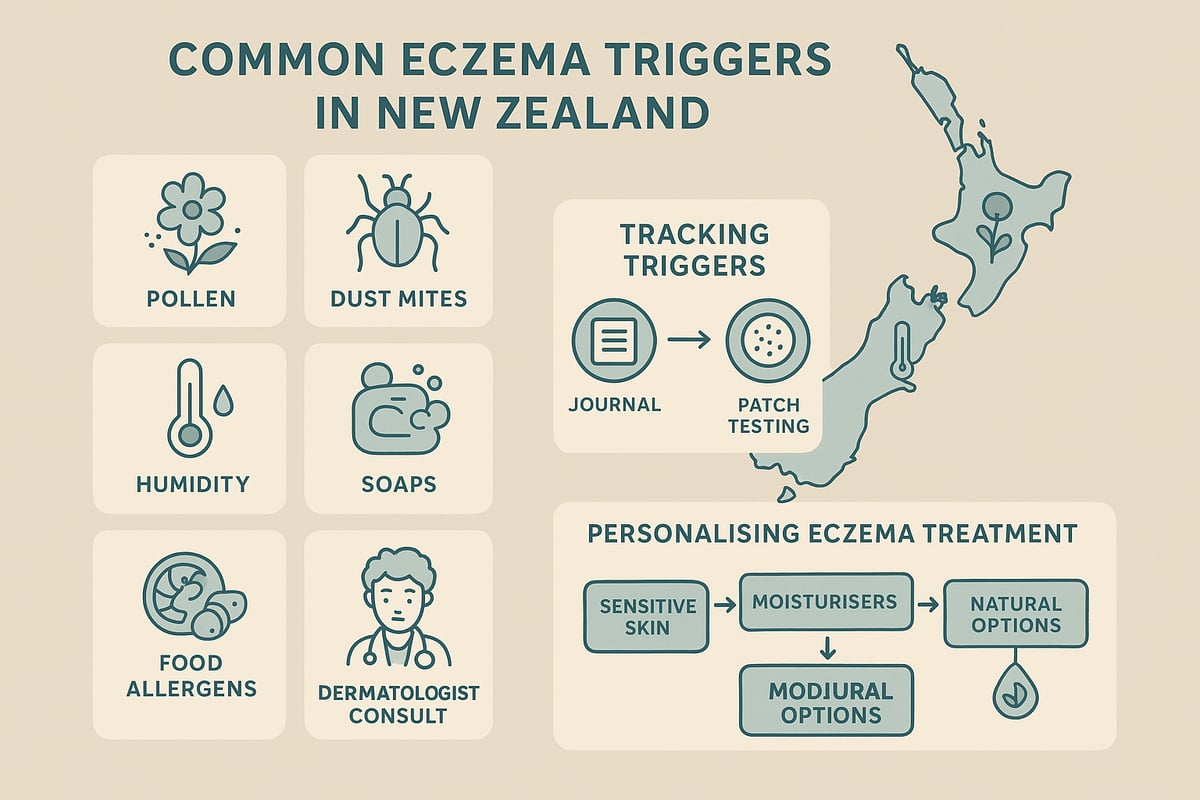
Eczema triggers in New Zealand and Australia often include:
- Environmental factors like pollen, dust mites, and sudden changes in humidity
- Chemical irritants such as soaps, detergents, and some skincare products
- Food allergens, especially dairy, eggs, and nuts, which are more common triggers for children
- Stress and hormonal fluctuations, which can make symptoms unpredictable
Because sensitive skin reacts more strongly, these triggers can cause more intense flare-ups. For many, something as simple as a new laundry powder can set off a cycle of itching and discomfort. Understanding these common triggers is crucial for any eczema treatment for sensitive skin. If you want to dive deeper into the connection between triggers and sensitive skin, check out this helpful guide on Eczema and sensitive skin care.
How to Track and Identify Your Triggers
Tracking what causes your eczema to flare is empowering. Start with a symptom diary—write down what you eat, products you use, and environmental changes each day. Some people prefer digital tracking apps that make spotting patterns easier.
Consider patch testing for skincare products or trying elimination diets if you suspect food is a culprit. Consulting a dermatologist or allergist can fast-track the process, offering professional testing and advice. For example, a family in rural New Zealand discovered sheep wool was behind their child’s eczema after careful tracking and professional help. By consistently monitoring, you can tailor your eczema treatment for sensitive skin to what really matters.
Personalising Your Eczema Care Plan
Once you know your triggers, you can design a care plan that truly fits your needs. Adapt your daily routine to avoid known irritants—choose fragrance-free, gentle formulas for everything from moisturisers to detergents. Regular skin assessments, either at home or with a specialist, ensure your plan evolves as your skin does.
Did you know that 70 percent of patients see improvement with a personalised approach, according to the NZ Dermatological Society? Many Kiwis with sensitive skin find that adding natural, science-backed options like full spectrum Manuka extract from local brands brings soothing relief, especially when mainstream products fall short. This tailored approach makes eczema treatment for sensitive skin both safer and more effective.
When to Seek Professional Help
Sometimes, eczema can spiral beyond what you can manage at home. Signs you need professional support include:
- Signs of infection, like oozing or yellow crusts
- Severe or rapidly worsening flares
- Treatments that no longer work
Your GP, dermatologist, or allergy specialist can help, and telehealth options make access easier than ever in 2026. Support networks are also available, connecting you with others navigating eczema treatment for sensitive skin. Remember, reaching out early can prevent complications and keep your skin healthier for the long run.
Step-by-Step Eczema Treatment for Sensitive Skin
Managing eczema treatment for sensitive skin is all about precision and patience. By following a targeted, step-by-step plan, you can minimise flares, protect your skin, and find long-lasting relief. Let’s break down the essentials for gentle, science-backed care.
Step 1: Gentle Cleansing and Bathing
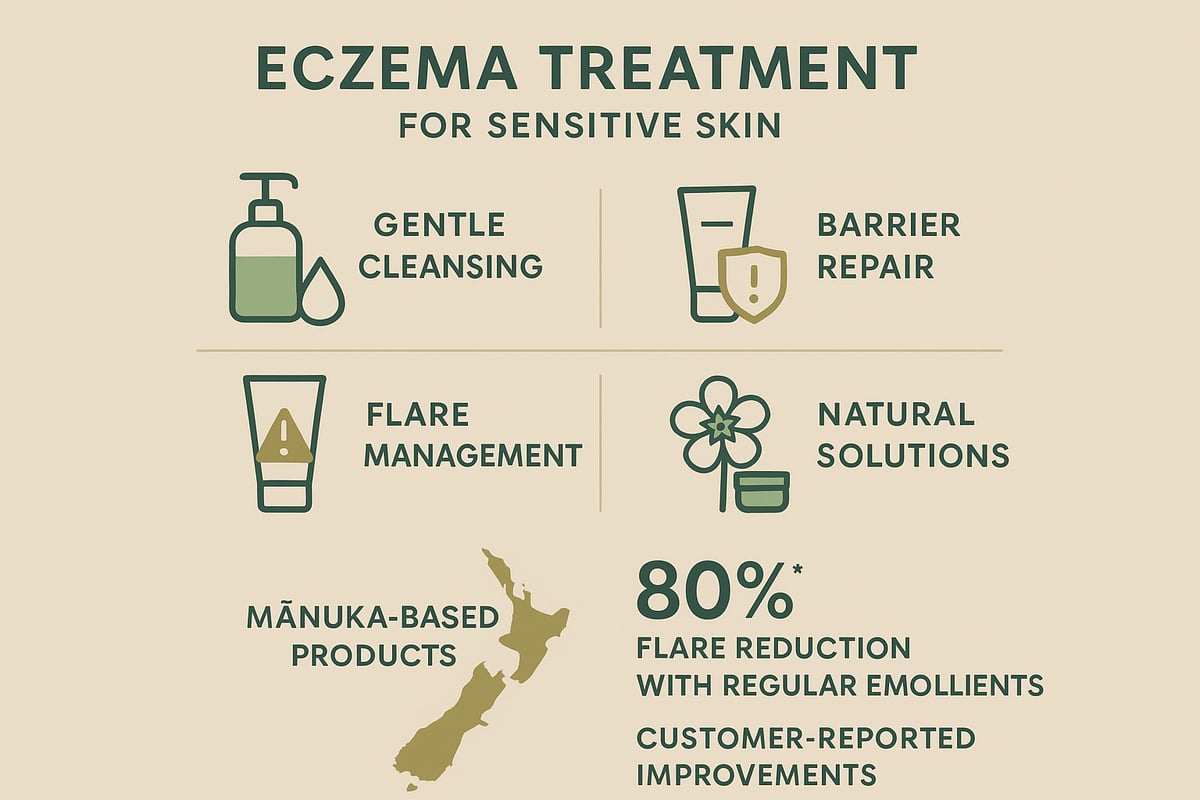
The first step in eczema treatment for sensitive skin is rethinking your daily wash routine. Sensitive skin needs extra care, so always use lukewarm water and limit baths or showers to 5–10 minutes. Hot water can strip natural oils and worsen irritation.
Reach for soap-free, pH-balanced cleansers designed for delicate skin. Skip harsh scrubbing and avoid rough washcloths, as these can trigger microtears and flares. Many dermatologists in New Zealand recommend gentle, fragrance-free brands tailored for sensitive skin.
- Use tepid water, not hot
- Choose mild, soap-free cleansers
- Pat skin dry, do not rub
Making these small changes can dramatically reduce irritation and set a strong foundation for the rest of your eczema treatment for sensitive skin.
Step 2: Restoring and Protecting the Skin Barrier
A healthy skin barrier is your best defence in eczema treatment for sensitive skin. Moisturise daily, ideally right after bathing, to lock in hydration. This “soak and seal” method helps prevent dryness and itching before it starts.
Opt for fragrance-free, hypoallergenic moisturisers. For severe dryness, ointments work better than lotions due to their thicker, more protective texture. Data from the Eczema Association Australasia shows regular use of emollients can reduce flares by up to 80 percent.
- Apply moisturiser within three minutes after bathing
- Use ointments for very dry skin
- Reapply throughout the day as needed
Consistency is key—regular moisturising strengthens the barrier, soothes discomfort, and makes all other steps in eczema treatment for sensitive skin more effective.
Step 3: Targeted Relief for Flares
Even with the best routine, flares happen. The goal in eczema treatment for sensitive skin is to spot early warning signs like itching or redness and act fast. Use topical corticosteroids at the lowest effective dose and for the shortest duration possible, as directed by your doctor.
For those who are sensitive to steroids, non-steroidal anti-inflammatory creams, such as calcineurin inhibitors, can be a safer alternative. Always patch test new treatments to avoid irritation, and consider alternating between products if your skin reacts easily.
- Monitor for flare triggers
- Patch test new creams
- Alternate treatments for sensitive skin
Prompt, targeted action keeps symptoms under control and reduces the risk of long-term damage from eczema treatment for sensitive skin.
Step 4: Advanced Natural Solutions — The Role of Full Spectrum Mānuka Extract
Looking for a gentle, effective natural addition to your eczema treatment for sensitive skin? Full spectrum Mānuka extract, sourced from New Zealand, offers powerful anti-inflammatory and antimicrobial benefits without the harshness of steroids.
Waipu Extracts’ Hyper Blend and Skin Rescue Balm are crafted for sensitive skin, using only pure, locally grown Mānuka. Customers across NZ report visible improvements in redness and itching within weeks. If you’re curious about steroid-free options, explore Natural alternatives to steroid ointment for more on how Mānuka-based balms support fragile skin.
- All-natural, suitable for adults and children
- Reduces itching and redness gently
- Made in NZ for Kiwi skin needs
Integrating Mānuka extract products can be a game-changer in your eczema treatment for sensitive skin, helping to restore comfort and confidence.
Medical and Prescription Options for Sensitive Skin
Finding the right eczema treatment for sensitive skin can be daunting, especially when over-the-counter options fall short. Prescription therapies often become necessary for those struggling with persistent symptoms or severe flares. Let's explore when to consider these treatments, the latest innovations, and how to keep sensitive skin safe while combining medical and natural solutions.
When to Consider Prescription Treatments
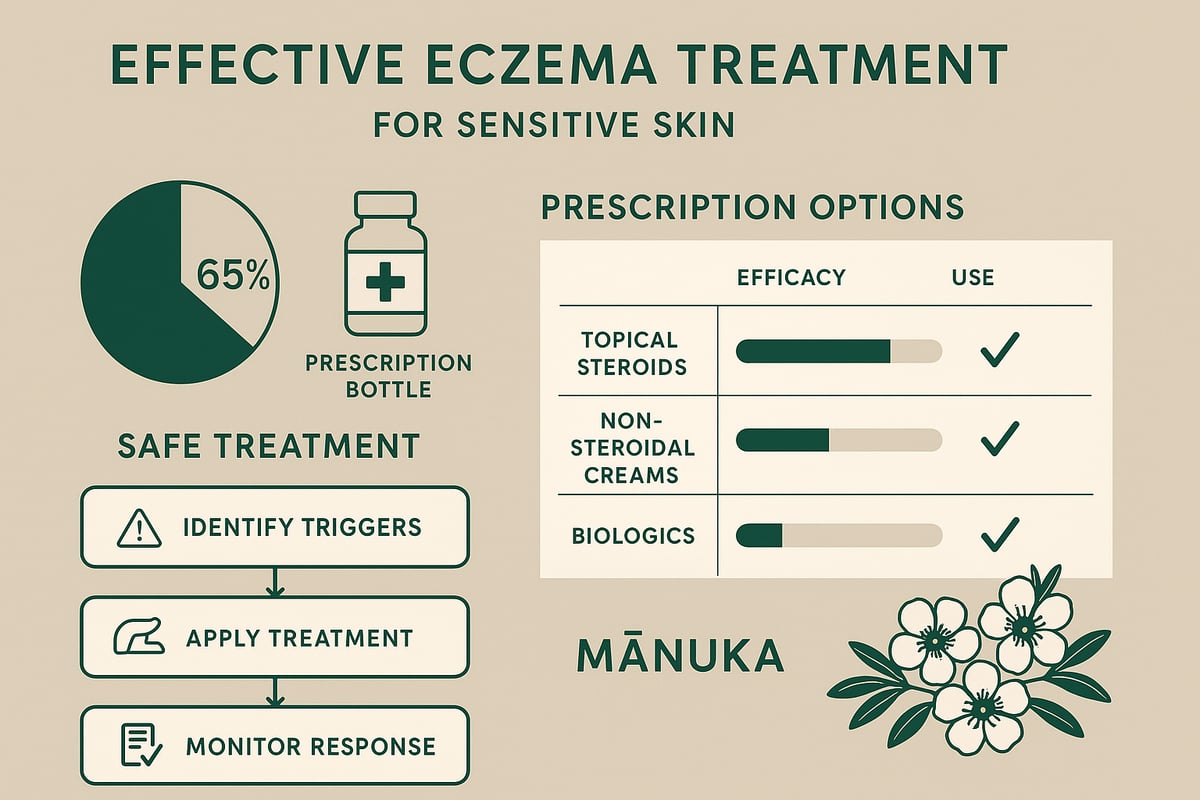
Sometimes, eczema treatment for sensitive skin needs more than gentle moisturisers and lifestyle changes. If your eczema is moderate to severe, or if standard products stop working, it might be time to talk to your GP or dermatologist. Prescription treatments include topical corticosteroids for reducing inflammation, calcineurin inhibitors for areas like the face, and PDE4 inhibitors for stubborn patches.
Sensitive skin requires extra caution with these medicines. Always start with the lowest effective dose and shortest duration. Regular reviews with your healthcare provider help ensure your skin stays healthy and irritation-free.
New and Emerging Therapies in 2026
Innovations in eczema treatment for sensitive skin have transformed care in recent years. Biologics, like dupilumab, target the immune pathways behind severe eczema and are now safer for sensitive skin than ever. For some, topical JAK inhibitors offer rapid relief with fewer side effects.
Personalised medicine is also on the rise. Genetic testing and skin microbiome analysis help tailor prescriptions, making them more effective and reducing unwanted reactions. According to a 2025 study, 60% of severe eczema patients in New Zealand benefit from biologics. For more details on evolving therapies and best practices, see the latest eczema treatment guidelines.
Managing Side Effects and Sensitive Skin Risks
Every eczema treatment for sensitive skin comes with potential risks, especially when using prescription creams. Side effects can include thinning skin, pigment changes, or irritation. To minimise issues, doctors often recommend step-down regimens, using barrier creams alongside medications, and monitoring skin closely.
If you notice unusual redness, pain, or signs of infection, seek medical advice promptly. Teaming up with your dermatologist for regular check-ins ensures your treatment stays on track and your sensitive skin stays protected.
Integrating Medical and Natural Approaches
Successful eczema treatment for sensitive skin often means blending prescription therapies with gentle natural care. Products like full spectrum Mānuka extract can soothe skin while reducing reliance on strong medicines. This holistic, patient-centred approach delivers comfort and empowers you to manage flares with confidence.
Daily Lifestyle and Prevention Strategies
Creating a lifestyle that supports eczema treatment for sensitive skin is key to reducing flares and keeping your skin calm. Daily choices, from your home setup to what you eat, play a big part. Let’s explore practical, science-backed strategies you can start today.
Creating an Eczema-Friendly Home Environment
Your home should be a safe haven for eczema treatment for sensitive skin. The right environment can prevent triggers and soothe irritation.
- Dust mite control: Wash bedding in hot water weekly, use dust-mite-proof covers, and vacuum regularly with a HEPA filter.
- Humidity and temperature: Keep rooms cool and use a humidifier during dry months to prevent skin dryness.
- Hypoallergenic choices: Switch to gentle, fragrance-free detergents and avoid wool or scratchy fabrics.
Natural remedies also help. Many Kiwi families now use Manuka oil on sensitive skin to support barrier protection and reduce irritation, thanks to its soothing, antimicrobial properties.
Diet, Hydration, and Supplements
Food can be a friend or foe in eczema treatment for sensitive skin. Identifying and avoiding food triggers like dairy, eggs, or nuts (especially for kids) is essential.
- Stay hydrated: Drink plenty of water to help your skin retain moisture.
- Supplements: Omega-3 fatty acids, probiotics, and vitamin D may help support skin health and immune balance.
- Balanced meals: Choose whole foods, fruits, and veggies for nutrients that nourish your skin from within.
A simple food diary can help you spot connections between meals and flare-ups. Discuss any major diet changes or supplements with your GP or dermatologist.
Stress Management and Mental Health
Stress is a well-known trigger for eczema treatment for sensitive skin. Managing your mental health is just as important as caring for your body.
- Mindfulness: Practice meditation, yoga, or breathing exercises to calm your mind.
- Support: Join online or local support groups to connect with others facing similar challenges.
- Routine: Prioritise regular sleep and self-care to help your body recover.
Studies in New Zealand show that regular stress management can reduce eczema flares by up to 40 percent, making it a powerful tool in your daily routine.
Practical Tips for Everyday Living
Small changes can make a big difference for eczema treatment for sensitive skin.
- Wear loose, breathable cotton clothes.
- Use cold compresses to soothe itching.
- Teach children distraction techniques for itch control.
- Request accommodations at school or work if needed.
Consistency is key. With a personalised approach, daily life can become more comfortable and less stressful.
Innovations and Future Trends in Eczema Care
Eczema treatment for sensitive skin is evolving rapidly, offering new hope for those who struggle with the daily frustrations of flares, discomfort, and unpredictable triggers. In New Zealand, researchers and local brands are leading the way with natural solutions, digital tools, and personalised therapies that promise to transform how we manage eczema.
Advances in Natural Ingredient Science
Natural ingredients are at the forefront of new eczema treatment for sensitive skin, particularly in New Zealand. Mānuka extract stands out thanks to its powerful anti-inflammatory and antimicrobial properties, which help soothe irritation while restoring the skin barrier.
Local innovators like Waipu Extracts use a world-first full spectrum process to maximise the efficacy and safety of their Mānuka-based products. This advanced extraction captures a wider range of bioactive compounds, delivering gentle yet effective relief for sensitive skin.
Curious about how to incorporate Mānuka oil into your routine? The How to use Manuka oil for eczema guide walks you through safe, step-by-step application for sensitive skin. As research expands, expect more NZ botanicals to join the list of science-backed natural solutions.
Digital Health Tools and Teledermatology
Digital innovation is reshaping eczema treatment for sensitive skin, making expert care more accessible than ever. AI-powered eczema tracking apps help users log symptoms, identify triggers, and receive personalised recommendations in real time.
Virtual consultations and teledermatology platforms connect patients with specialists, no matter where they live in NZ. Remote monitoring enables regular check-ins, reducing travel and wait times, especially for rural families.
Many Kiwis now use digital tools to share progress photos, track flare patterns, and receive tailored advice. This tech-driven approach empowers individuals to take control of their eczema treatment for sensitive skin, improving long-term outcomes.
The Future of Personalised Eczema Treatment
Personalisation is the next frontier in eczema treatment for sensitive skin. New genetic testing and microbiome analysis allow clinicians to tailor therapies to each person’s unique biology, reducing guesswork and increasing the chance of lasting relief.
Predictive analytics are emerging, using data from apps and wearables to forecast flares before they start. Patients gain confidence, knowing they can prevent discomfort rather than constantly react to it.
Education and digital support tools are also expanding, giving people the knowledge and resources to manage eczema treatment for sensitive skin with greater independence and peace of mind.
I know how tough it can be to manage eczema when your skin reacts to just about everything. That’s why I’ve shared the latest expert strategies for 2026, focusing on gentle, natural solutions that really work—especially for sensitive skin. If you’re ready to try something backed by both science and real stories from people like us, it’s worth looking at the unique benefits of full spectrum Mānuka extract. Harnessing nature’s healing power, you can give your skin the calm and relief it deserves. Ready to take the next step? Get Your Mānuka Extract Today