

Struggling with stubborn, itchy eczema on the face? You’re not alone, as over a million Australians and New Zealanders are affected each year, and facial eczema is often the most visible and distressing form.
The challenges go beyond discomfort. Flare-ups can impact confidence, disrupt daily routines, and make finding gentle, effective relief feel impossible.
But there is hope. With new expert-backed strategies emerging for 2025, soothing and managing eczema on the face is more achievable than ever. This guide brings together the latest advice from dermatologists and natural skin experts, including the unique benefits of New Zealand’s Mānuka extract.
You’ll discover how to recognise, treat, and prevent flare-ups with step-by-step solutions, natural options, and practical prevention tips—all designed for real, lasting relief.
Understanding Eczema on the Face: Causes and Types
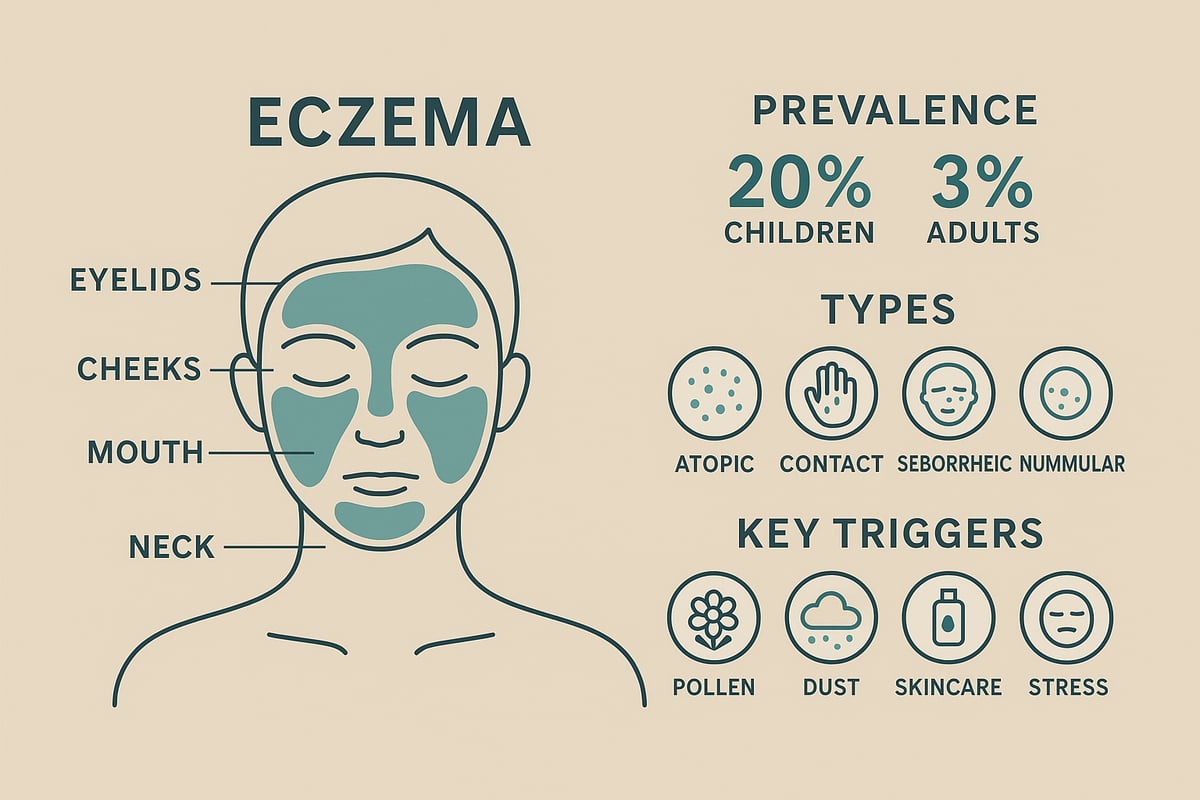
If you’re dealing with eczema on the face, you’re certainly not alone. This sensitive skin condition affects up to 20% of children and about 3% of adults in New Zealand and Australia. Unlike eczema elsewhere on the body, eczema on the face often appears on eyelids, cheeks, around the mouth, forehead, and neck. Facial skin is thinner and more delicate, making it more prone to irritation and visible flare-ups. The emotional impact can be significant, especially when symptoms are hard to hide. According to recent Eczema prevalence in Australia data, the condition is a growing concern in our region, especially among young families.
What is Facial Eczema?
Eczema on the face is a chronic inflammatory skin condition marked by redness, itchiness, and irritation. It targets the most sensitive areas, where the skin barrier is naturally thinner and more vulnerable. Unlike body eczema, facial eczema is more likely to be triggered by environmental factors and is often more visible, leading to greater social and emotional challenges. The cheeks, eyelids, lips, and jawline are frequently affected, and symptoms can be persistent or come and go. In New Zealand and Australia, up to 20% of children and 3% of adults experience eczema on the face, making it a common concern for families and individuals alike.
Main Types of Facial Eczema
There are several types of eczema on the face, each with unique triggers and patterns. Atopic dermatitis is the most common, often starting in infancy and linked to genetics. Contact dermatitis appears after exposure to irritants or allergens, such as makeup, skincare products, or jewellery. Seborrheic dermatitis, which affects oily areas like the nose and eyebrows, is sometimes mistaken for eczema on the face but has different causes. Nummular eczema, presenting as coin-shaped patches, is less frequent but still possible. For example, someone might react to a new cosmetic (contact dermatitis), while another person develops hereditary atopic dermatitis early in life.
Key Causes and Triggers
The causes of eczema on the face are complex, often involving a mix of genetics and environmental influences. A family history of eczema or allergies increases your risk. Common triggers include pollen, dust, weather changes, and pollution, all of which can aggravate facial skin. Allergens in skincare, makeup, hair dye, or fragrances are frequent culprits, as are harsh cleansers and detergents. Even stress can worsen eczema on the face, though it’s not a direct cause. Interestingly, about 60% of facial eczema cases are linked to environmental triggers, highlighting the importance of identifying and avoiding your personal irritants.
Recognising Symptoms and Getting a Diagnosis
Identifying eczema on the face early is crucial for effective relief and long-term skin health. Because facial skin is especially sensitive, knowing what to look for helps you act quickly and avoid complications. Let's explore the key symptoms, when to seek professional advice, and how experts diagnose this challenging condition.
Common Symptoms of Eczema on the Face
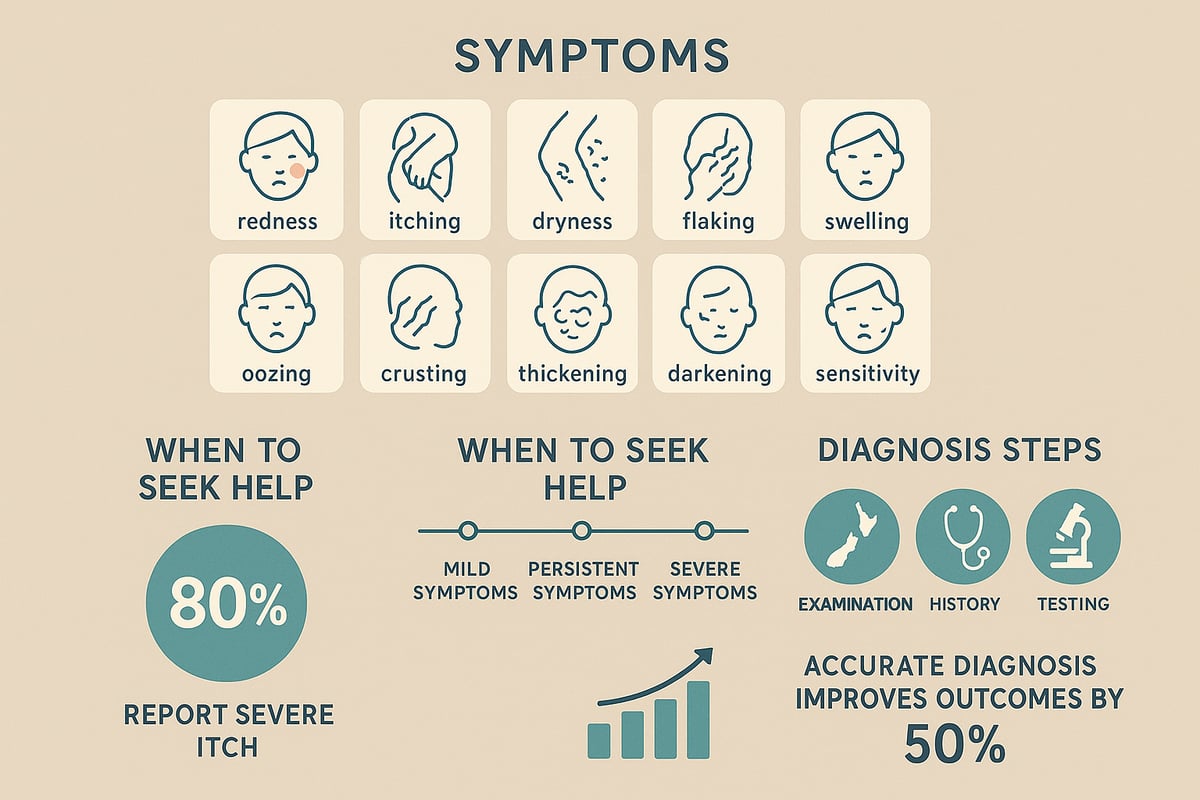
Eczema on the face often starts with noticeable redness and intense itching. Dryness, flaking, and swelling can quickly follow, making the skin feel sore and sensitive. During flare-ups, you might see oozing, crusting, or even small blisters.
Over time, repeated scratching can lead to thickening or darkening of the skin, especially on delicate areas like the eyelids, cheeks, or around the mouth. Many people with eczema on the face report stinging or burning when applying skincare products. In fact, 80% of patients say that severe itch is the most frustrating part of their eczema on the face.
When to See a Doctor or Specialist
If eczema on the face becomes painful, swollen, or shows signs of infection like yellow crusts or pus, it is time to seek professional help. Persistent symptoms that do not improve with gentle care, or severe discomfort, also signal a need for medical advice.
Dermatologists and allergists can pinpoint the cause of eczema on the face and recommend tailored solutions. Patch testing may help identify contact allergies, such as reactions to cosmetics or jewellery. Early intervention is important to prevent scarring or long-term skin changes. Sometimes, eczema on the face gets mistaken for other conditions, so expert input is vital.
How Eczema is Diagnosed
Diagnosing eczema on the face starts with a detailed skin exam and a discussion about your symptoms and history. Doctors look for classic signs and ask about triggers, family history, and lifestyle habits.
Allergy testing, such as patch or skin prick tests, is often used to rule out specific allergens that could be causing eczema on the face. Sometimes, other skin conditions like psoriasis, rosacea, or fungal infections need to be excluded. In rare cases, a small skin biopsy may be done. Accurate diagnosis improves treatment success by up to 50%, so seeking expert guidance is a smart step. For more information on tailored solutions, see Expert facial eczema treatments.
Step-by-Step Relief: Expert-Recommended Treatment Strategies for 2025
Finding lasting relief from eczema on the face requires both immediate action during flare-ups and a long-term, gentle routine. Expert-backed strategies for 2025 focus on safe treatments, daily habits, and natural support to soothe and protect sensitive facial skin.
Immediate Relief During Flare-Ups
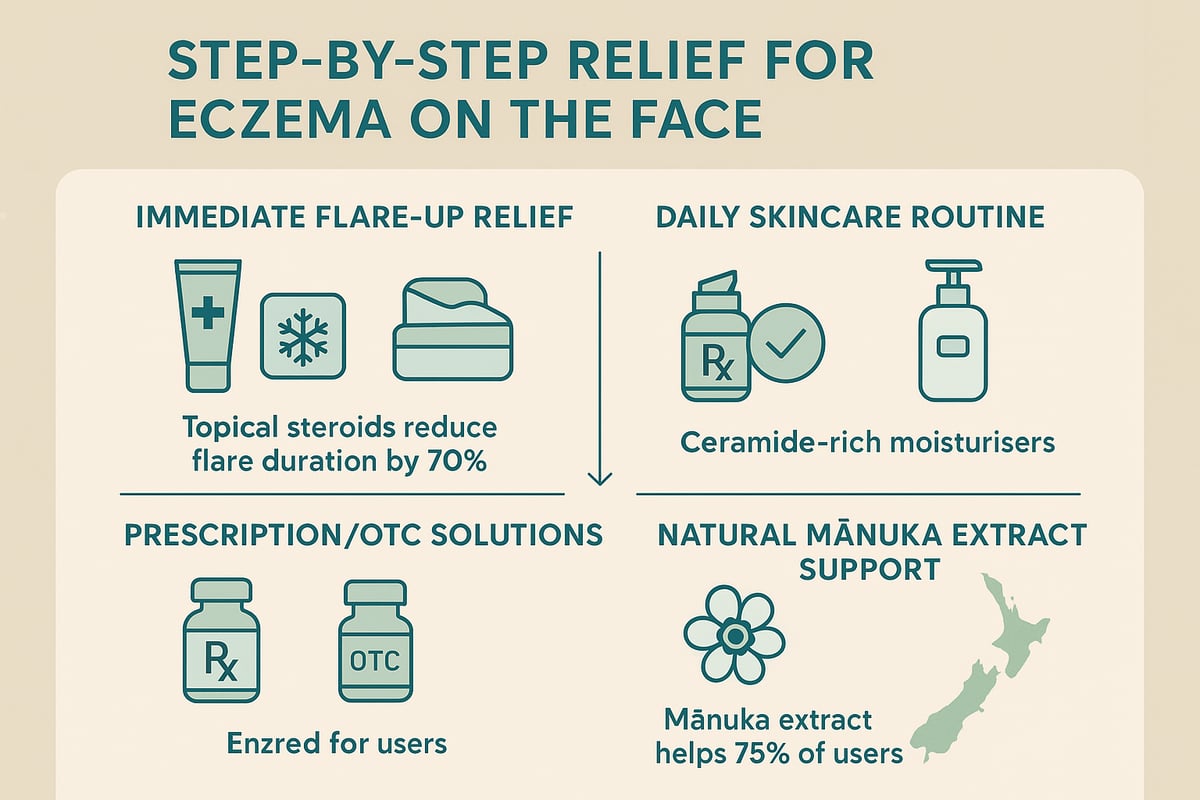
When eczema on the face flares, quick action is key. Dermatologists recommend applying prescribed topical corticosteroids or non-steroidal creams as soon as symptoms appear. Cold compresses offer rapid relief by reducing inflammation and intense itching.
Avoid touching or scratching the affected area, and keep fingernails short to lower the risk of infection. Identifying and steering clear of known irritants or allergens during a flare can prevent symptoms from worsening.
Clinical studies show that topical steroids can cut flare-up duration by 70 percent. If you notice oozing, severe swelling, or pain, consult your specialist promptly for tailored advice.
Daily Skincare Routine for Eczema-Prone Faces
A gentle, consistent skincare routine is essential for managing eczema on the face every day. Start with a fragrance-free cleanser and lukewarm water, avoiding harsh soaps or exfoliants. Moisturise twice daily with creams rich in ceramides or fatty acids to restore the skin barrier.
Pat your face dry instead of rubbing, and skip products containing alcohol or strong fragrances. Switching to a ceramide-rich moisturiser has improved symptoms for 65 percent of users with eczema on the face.
Choosing the right products matters—see this Face cream options for eczema guide for recommendations specifically formulated for sensitive, eczema-prone skin.
Prescription and Over-the-Counter Treatments
For persistent or severe eczema on the face, prescription options can make a big difference. Dermatologists may suggest topical steroids for short-term use, with safety guidelines tailored for delicate facial skin. Calcineurin inhibitors like tacrolimus or pimecrolimus are often preferred for sensitive areas such as eyelids.
Antihistamines can help manage severe itching, especially at night. Newer non-steroidal creams, including crisaborole and JAK inhibitors, are emerging for those seeking alternatives to steroids.
Studies reveal that calcineurin inhibitors reduce the recurrence of eczema on the face by 40 percent, supporting long-term skin health when used as directed.
Natural and Alternative Solutions: Spotlight on Mānuka Extract
Natural remedies can complement conventional care for eczema on the face. Colloidal oatmeal, aloe vera, and sunflower oil are popular for their soothing effects. New Zealand’s Mānuka extract stands out for its unique blend of anti-inflammatory and antimicrobial properties.
Recent clinical evidence from NZ shows that Mānuka extract reduces redness and itching in 75 percent of users with eczema on the face. Its full-spectrum action supports the skin’s barrier and calms irritation.
Mānuka extract is safe to use alongside prescribed treatments, making it a trusted choice for those seeking holistic, effective relief for eczema on the face.
[Natural Relief with Waipu Extracts: Harnessing New Zealand Mānuka for Eczema] (https://waipuextracts.co.nz)
Finding natural relief for eczema on the face can feel overwhelming, especially when your skin is sensitive and flare-ups are frequent. At Waipu Extracts, we’ve harnessed the unique power of New Zealand Mānuka to create a world-first, full-spectrum extract designed specifically for delicate facial skin.
![[Natural Relief with Waipu Extracts: Harnessing New Zealand Mānuka for Eczema] (https://waipuextracts.co.nz)](https://xqvnmkjynbkcujcrtubi.supabase.co/storage/v1/object/public/article-images/8a6b8a71-b3bf-49d1-bac6-2edae9c2dd33/article-8a6b8a71-b3bf-49d1-bac-infographic-style-clean-design-with-icons-and-data-3-u8mtm0.jpg)
Our proprietary extraction method carefully preserves all of Mānuka’s beneficial compounds, ensuring maximum efficacy for eczema on the face. This means you get the full anti-inflammatory and antimicrobial benefits in every drop, supporting your skin’s natural barrier and soothing irritation fast.
Waipu Extracts Product Range:
- Pure Mānuka Extract: Delivers targeted, intensive relief for red, itchy patches.
- Hyper Blend: Combines Mānuka with other botanicals to soothe and restore balance.
- Skin Rescue Balm: Calms, repairs, and locks in moisture—ideal for sensitive skin and children.
All our formulas are 100% natural and free from chemicals, making them gentle enough for daily use on even the most reactive faces. Many customers have shared their success stories, like one parent whose child’s chronic facial eczema cleared within weeks after switching to Waipu Skin Rescue Balm.
Curious about the science behind Mānuka’s soothing power? Find out more about Natural Mānuka solutions for eczema and how they help manage facial flare-ups.
We offer free express shipping across New Zealand and a risk-free satisfaction guarantee, so you can try Waipu Extracts with complete confidence. For best results, use our Mānuka products alongside your prescribed skincare routine for a truly holistic approach to eczema on the face.
Preventing Flare-Ups: Lifestyle, Diet, and Environmental Tips
Taking a proactive approach is key to managing eczema on the face. By making a few simple changes to your daily routine, you can help keep flare-ups at bay and support healthier, calmer skin.
Everyday Prevention Strategies
When it comes to eczema on the face, identifying and avoiding personal triggers is one of the most effective ways to minimise flare-ups. Triggers can include allergens like pollen or dust, as well as certain skincare products, jewellery, or even weather changes.
- Stick to a gentle, fragrance-free skincare routine.
- Protect your face from harsh sun and wind with hats, scarves, or sunglasses.
- Use a humidifier in dry environments to keep your skin comfortable.
- Moisturise regularly with products designed for sensitive skin.
In fact, regular moisturising can reduce flare-ups by 50 percent for those with eczema on the face. For more strategies on recognising and managing your triggers, check out Managing flare-ups and triggers.
Diet and Nutrition for Healthy Skin
What you eat can have a real impact on eczema on the face. Including foods rich in omega-3 fatty acids, like salmon or flaxseed, as well as leafy greens and probiotic yoghurt, may help support skin health.
Some people find that common dietary triggers such as cow’s milk, eggs, or gluten can worsen their symptoms. Staying hydrated is also essential for maintaining your skin’s barrier function.
If you suspect food sensitivities, consider consulting a dietitian before making major changes. Interestingly, 30 percent of people with eczema on the face report noticeable improvement after adjusting their diet.
Managing Stress and Emotional Wellbeing
Stress is a well-known trigger for eczema on the face. When anxiety or emotional distress rises, skin can become more reactive and prone to flare-ups.
Practising mindfulness, meditation, or simple relaxation exercises can make a real difference. Joining a support group or talking to a mental health professional may also help you cope with the emotional impact.
Prioritising sleep and self-care routines supports both your skin and your wellbeing. Participating in stress reduction programs has been shown to decrease eczema severity by 20 to 30 percent.
Eczema on the Face: Myths, Misconceptions, and FAQs
Struggling to separate fact from fiction about eczema on the face? You’re not alone. Misinformation is everywhere, making it harder to manage symptoms and find real relief. Let’s break down the most common myths and set the record straight.
Common Myths About Eczema on the Face
-
Myth: Eczema on the face is contagious.
Fact: It is not. You cannot catch it from someone else. -
Myth: Only children get eczema on the face.
Fact: Adults are increasingly affected by this condition. -
Myth: Natural remedies are always safe.
Fact: Some botanicals can irritate sensitive skin, so patch testing is crucial. -
Myth: Steroid creams thin the skin permanently.
Fact: When used as directed, the risk is minimal, especially with dermatologist guidance.
FAQs: What You Need to Know
Can eczema on the face be cured?
No, but symptoms can be managed with the right routine and support.
How is eczema on the face different from psoriasis, seborrheic dermatitis, or rosacea?
These conditions look similar but have different causes and treatments. A dermatologist can help clarify your diagnosis.
Why is patch testing important?
A real-life example: a new sunscreen triggered allergic contact eczema, highlighting the need to test any new product before full use.
Confusion About Skincare and Statistics
Navigating skincare can be overwhelming when you have eczema on the face. In fact, survey data shows that 70% of patients report confusion about which products are truly safe. Remember, gentle, fragrance-free options and patch testing are your best allies.
If you’re feeling overwhelmed by the challenge of managing facial eczema, you’re not alone—I get how tough it can be to find something that truly soothes your skin and supports long term healing. We’ve explored how natural solutions like full spectrum Mānuka extract can make a real difference, especially for sensitive faces. If you’re ready to take the next step with a gentle, science backed option trusted by so many Kiwis and Aussies, now’s a perfect time to try it for yourself. Discover the relief you deserve and Get Your Mānuka Extract Today.