

Are you tired of dealing with cracked, itchy, or painful eczema hands? You’re not alone. Many people struggle daily with the discomfort and frustration that hand eczema can bring, especially when balancing work, family, and social commitments.
The good news is that 2025 brings new hope. From advanced treatments to natural remedies, research is unlocking better ways to soothe and heal your skin. Imagine lasting relief and the confidence to reach out without worry.
This guide covers everything you need to know: what hand eczema is, its causes and symptoms, daily care routines, the latest medical and natural treatments, lifestyle changes, and the newest breakthroughs for healthier hands.
Understanding Eczema on Hands: What You Need to Know
Eczema hands can be a daily struggle, affecting everything from work to family activities. Knowing what sets it apart and how to recognise it early is the first step toward lasting relief.
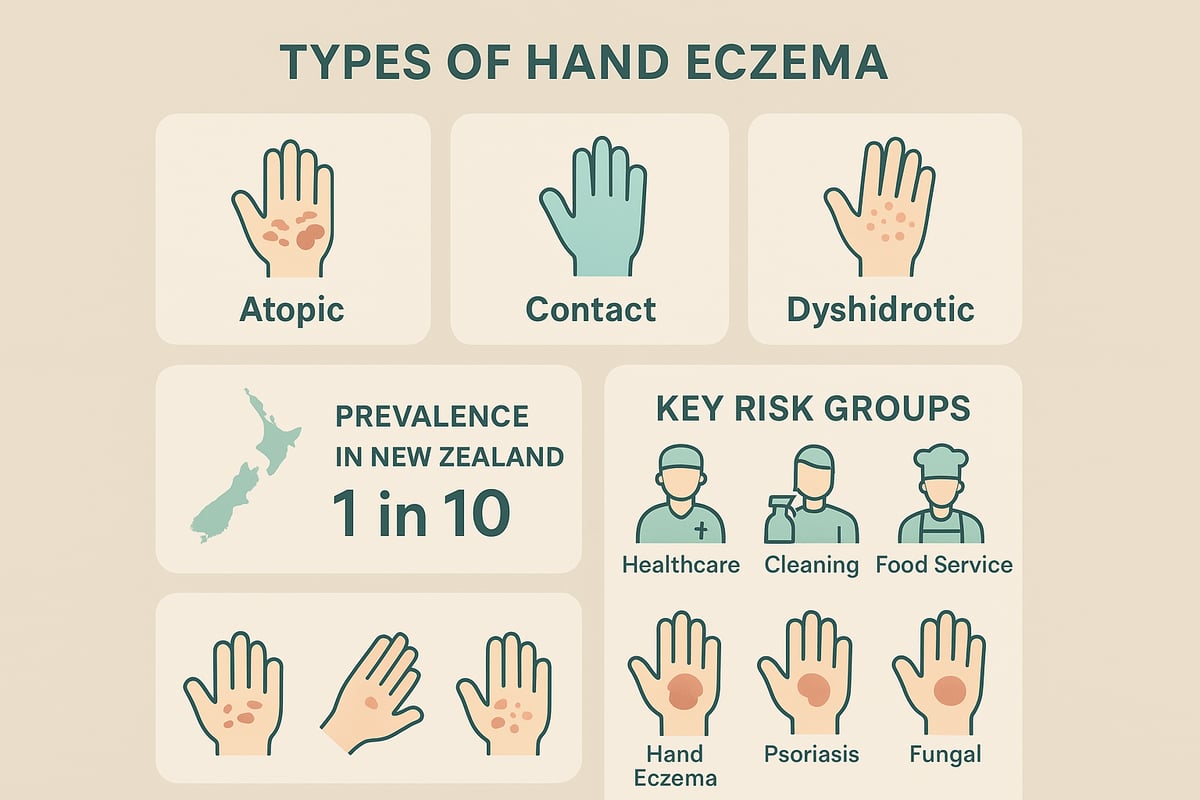
Defining Hand Eczema and Its Types
Eczema hands refers to inflammation and irritation of the skin on your hands. The main types are atopic eczema (often linked to allergies), contact eczema (triggered by irritants or allergens), and dyshidrotic eczema (characterised by tiny blisters). Up to 10 percent of people experience hand eczema at some stage, with higher rates in jobs involving frequent washing or chemical exposure.
Those most at risk include healthcare workers, cleaners, hairdressers, and food handlers. Unlike psoriasis or fungal infections, eczema hands are not contagious and tend to flare up repeatedly over time. If you want more details on the differences and specific triggers, check out this comprehensive guide: Managing dermatitis on hands.
Common Symptoms and How They Progress
The most common signs of eczema hands include dryness, redness, intense itching, painful cracks, blisters, and sometimes swelling. These symptoms can start mild and worsen quickly if not managed. Everyday activities like handwashing, typing, or cooking can become uncomfortable or even impossible in severe cases.
Without proper care, eczema hands can lead to sleep issues or missed workdays. According to Medical News Today, hand eczema can have a major impact on quality of life, making early recognition and management essential.
When to Seek Medical Advice
If eczema hands show signs of infection such as oozing, pus, or fever, or if there is severe pain or no improvement after home care, it is time to see a doctor. A dermatologist can diagnose the type of eczema and may perform patch testing to identify triggers.
Early diagnosis means tailored treatment and a better chance of controlling symptoms long term. Persistent or worsening eczema hands should never be ignored, especially if it affects your daily routine or mental well-being.
Causes and Triggers of Hand Eczema in 2025
Understanding what causes eczema hands is crucial if you want lasting relief. The triggers can be as varied as your daily habits, your environment, and even your genetics. By knowing what sets off eczema hands, you can take targeted steps to protect your skin and stay ahead of flares.
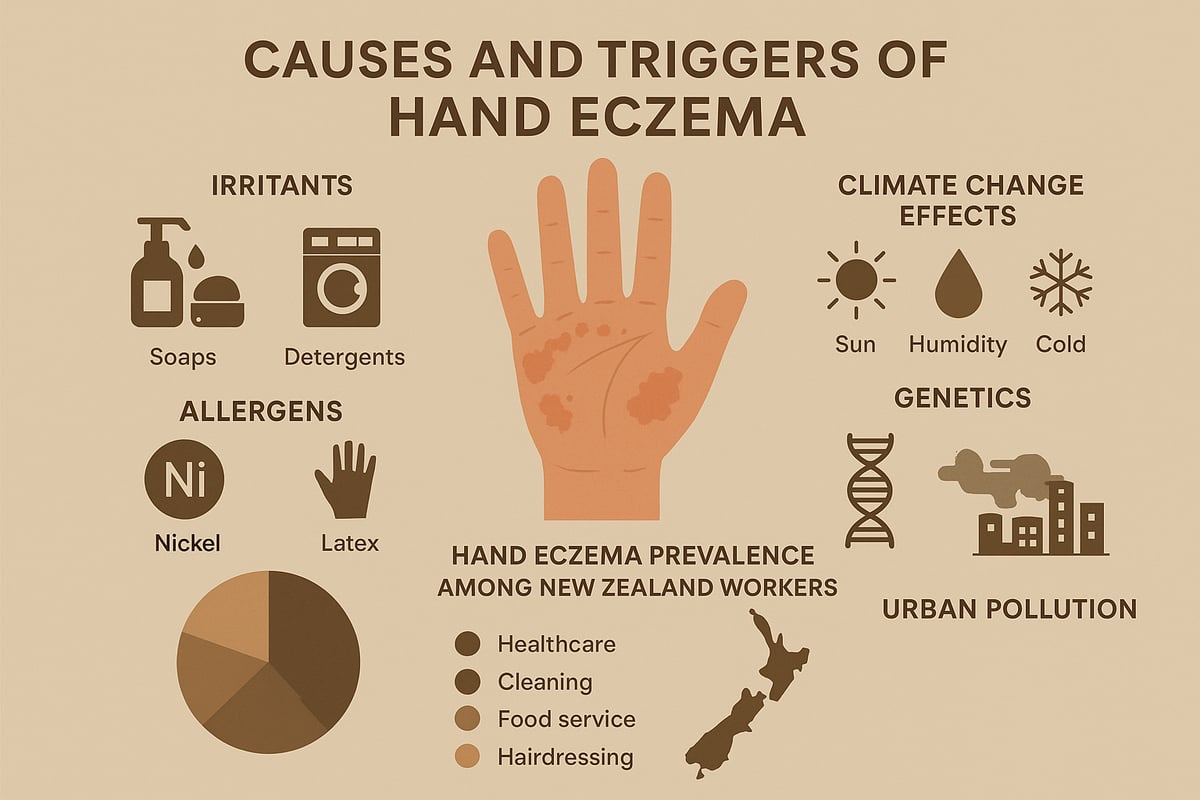
Environmental and Lifestyle Triggers
Everyday exposures play a massive role in eczema hands. Common irritants include soaps, detergents, cleaning agents, and even frequent handwashing. Many people notice their eczema hands worsen after using harsh products or being in contact with water for too long.
Allergens are another culprit. Nickel in jewellery, latex in gloves, fragrances, and preservatives in skincare can all set off eczema hands. Since the pandemic, elevated hand hygiene has meant more people are dealing with irritation and dryness.
Certain jobs put you at higher risk. Healthcare workers, cleaners, hairdressers, and food handlers are all more likely to experience eczema hands. In fact, recent studies show chronic hand eczema is especially common among adults in these professions.
- Common irritants: soaps, detergents, cleaning agents
- Allergens: nickel, latex, fragrances, preservatives
- High-risk jobs: healthcare, cleaning, food service, hairdressing
Internal Factors and Genetics
Some people are simply more prone to eczema hands because of their genes. If you have a family history of eczema, asthma, or hayfever, your risk is higher. The immune system also plays a part, with some people’s skin overreacting to everyday substances.
Another key factor is the skin barrier. When this protective layer is weak, moisture escapes and irritants get in, making eczema hands more likely. Hormonal changes, such as pregnancy or menopause, can also trigger new or worsening symptoms.
People with atopic dermatitis on other parts of the body are especially vulnerable to developing eczema hands. This connection highlights how both internal and external factors work together.
- Family history of allergies or eczema
- Immune system sensitivity
- Skin barrier dysfunction
- Hormonal fluctuations
Emerging Triggers for 2025
Looking ahead to 2025, new research is shining a light on even more triggers for eczema hands. Climate change is making weather less predictable, with more extreme heat, humidity, and cold snaps—all of which can trigger flares for sensitive skin.
Scientists are also exploring the skin microbiome. Changes in the balance of good and bad bacteria on your hands may affect eczema hands in ways we are only beginning to understand. Urban living presents its own challenges, with air pollution and hard water both linked to more frequent flare-ups.
Medical News Today has reported that hard water and pollution are now recognised as significant triggers for eczema hands. As our environment evolves, staying informed and proactive is vital to managing symptoms.
- Climate extremes: heat, cold, humidity
- Microbiome imbalances
- Urban pollution and hard water
Understanding these causes and triggers helps you make smarter choices every day. Whether you’re managing eczema hands at home, at work, or out and about, knowing your personal risk factors is the first step toward relief.
Step-by-Step Relief: Daily Hand Eczema Care Routine
Caring for eczema hands starts with daily habits that nurture your skin barrier and reduce irritation. A thoughtful routine can make a world of difference, helping you regain comfort and confidence in everyday life.
Gentle Cleansing and Moisturising
For eczema hands, gentle cleansing is the foundation of relief. Choose a fragrance-free, soap-free cleanser to avoid stripping your skin’s natural oils. Always wash with lukewarm water, not hot, as heat can worsen dryness and irritation.
After every wash, moisturise promptly using a thick, ointment-based product. This locks in hydration and supports the skin barrier. The American Academy of Dermatology recommends moisturising after each wash to reduce flare-ups. For more practical tips, the Eczema relief knowledge hub offers expert-backed advice tailored to eczema hands.
Barrier Protection Strategies
Protecting your hands from daily irritants is crucial for managing eczema hands. Wear cotton gloves for household tasks, especially when cleaning or washing dishes. Layer them under rubber gloves for extra defence.
Switch to hypoallergenic products and avoid direct exposure to soaps, detergents, and harsh chemicals. Look for protective hand creams with ceramides or petrolatum, which reinforce your skin’s natural barrier. Overnight treatments with occlusive wraps or balms can help repair damage while you sleep, offering much-needed relief for eczema hands.
Managing Flare-Ups and Itching
When eczema hands flare up, rapid action helps prevent further discomfort. Try to resist scratching by using cold compresses or distraction techniques. Short-term use of over-the-counter hydrocortisone cream can ease inflammation, but if symptoms persist or worsen, consult your doctor.
For severe cases, prescription treatments or wet wrap therapy may be needed. Monitoring your hands for signs of infection, like oozing or increased pain, ensures you catch complications early and keep eczema hands under control.
Natural Mānuka Extract Solutions from New Zealand
Harnessing the power of New Zealand’s native Mānuka, Waipu Extracts offers a world-first Full Spectrum Mānuka Extract for targeted hand eczema relief. This all-natural, steroid-free solution supports the skin barrier and calms inflammation, making it ideal for sensitive skin and children.

Users have reported significant improvements, including faster healing and less redness, especially when other products failed. The concentrated blends and soothing balms are crafted to deliver relief where it’s needed most, and fast, free NZ shipping means help is never far away.

Medical Treatments and Advanced Therapies for 2025
Finding lasting relief for eczema hands often means turning to medical treatments, especially if natural routines and over-the-counter options are not enough. In 2025, the landscape of therapies is more promising than ever, with both traditional and innovative solutions helping people regain comfort and control.
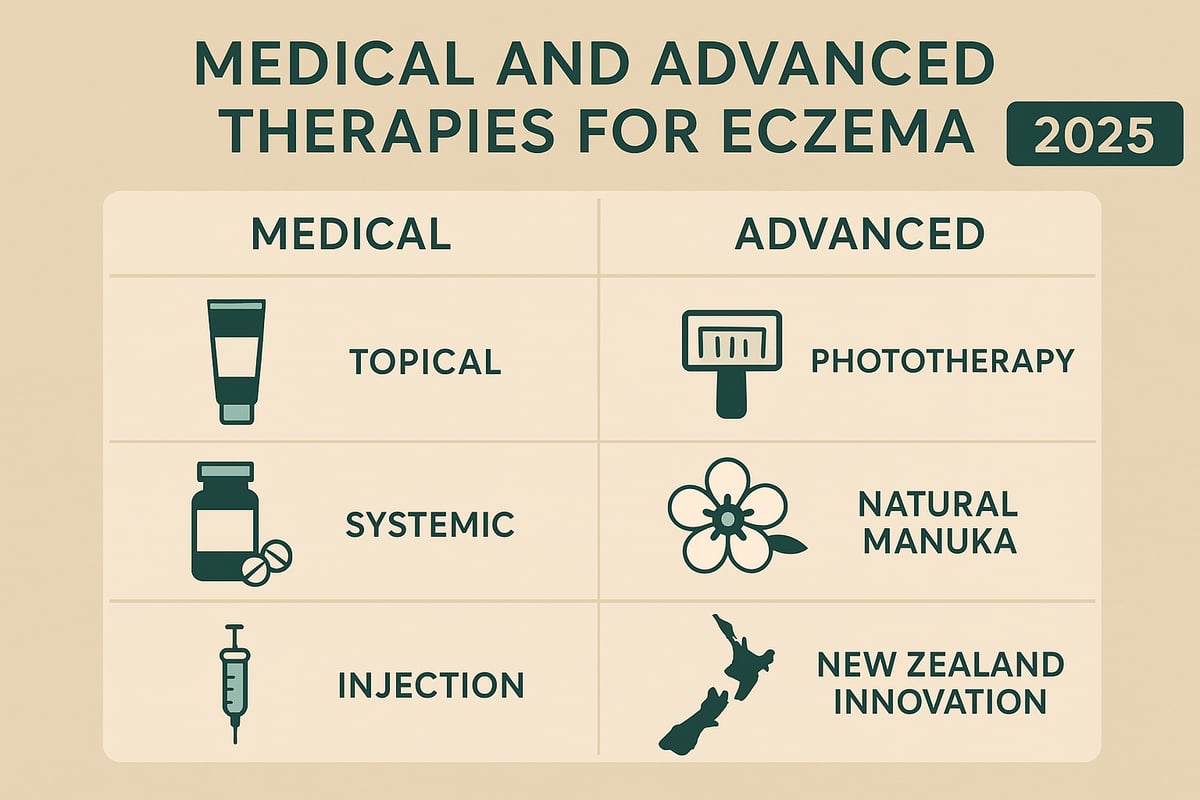
Prescription Medications and Topical Treatments
For many living with eczema hands, prescription creams are the first step when moisturisers alone do not cut it. Topical corticosteroids remain the mainstay, available in varying strengths for short-term flare control. However, long-term use can thin the skin, so doctors often recommend non-steroidal options like tacrolimus or pimecrolimus for sensitive areas or ongoing care.
Excitingly, new non-steroid creams and ointments are now entering the market. In fact, FDA approves first treatment for moderate-to-severe chronic hand eczema highlights the arrival of delgocitinib, a breakthrough topical therapy. These innovations mean more people with eczema hands can access effective, targeted relief with fewer side effects.
| Topical Option | Use Case | Key Benefit |
|---|---|---|
| Corticosteroids | Acute flares | Fast anti-inflammatory |
| Calcineurin inhibitors | Sensitive/long-term | No thinning risk |
| New non-steroid creams | Moderate-severe | Advanced mechanisms |
Systemic Treatments and Biologics
When eczema hands become severe or do not respond to creams, doctors may suggest systemic medications. Oral immunosuppressants can calm the immune system, but they require careful monitoring for side effects. For some, biologic therapies like Dupilumab (Dupixent) are game-changers, targeting the specific pathways causing inflammation.
Biologics are usually reserved for those with chronic, stubborn eczema hands or when quality of life is seriously affected. These advanced medicines are transforming care, offering hope to people who have struggled for years.
- Oral treatments: ciclosporin, methotrexate (long-term caution)
- Biologics: injections, tailored to immune system
- Eligibility: severe, persistent eczema hands
Phototherapy and Other Innovative Approaches
Phototherapy, or UV light treatment, is another option for persistent eczema hands, especially when topical and systemic therapies are not enough. Sessions are typically done in clinics under medical supervision. While effective, phototherapy is not without risks, such as skin ageing or increased cancer risk with long-term use.
In 2025, emerging approaches are gaining ground. Microbiome modulators and new-generation barrier creams are being studied to restore healthy skin flora and strengthen defences. Natural solutions, especially New Zealand’s Full Spectrum Manuka Extract, are also being explored as supportive care for eczema hands, offering anti-inflammatory benefits without steroids.
Monitoring and Managing Side Effects
With advanced therapies for eczema hands, regular check-ins with a dermatologist are essential. Early recognition of side effects and adjusting treatment can make a big difference. Doctors may recommend alternating between medical and natural approaches for balanced, sustainable care.
It is important to report any unusual symptoms, such as infections or persistent irritation. Combining expert advice, medical innovation, and gentle natural remedies like Manuka extract can help people with eczema hands achieve long-term comfort and healthier skin.
Lifestyle Adjustments and Prevention Strategies
Making smart lifestyle changes can make a huge difference when it comes to living with eczema hands. Small tweaks to your daily routine may help reduce flares, protect your skin, and support overall wellbeing. Let’s explore practical strategies you can start today.
Minimising Exposure to Triggers
Protecting your skin starts with avoiding everyday irritants that can set off eczema hands. Use cotton gloves for chores and swap harsh soaps for gentle, fragrance-free cleansers. Switch to hypoallergenic laundry products and keep your home routine as skin-friendly as possible. At work, try to reduce exposure to cleaning agents or wear protective gear.
Simple changes, like choosing natural products or limiting contact with known allergens, can prevent many flares. For more guidance, check out these tips on clearing eczema effectively to support your hand health.
Stress Management and Mental Health
Stress is a sneaky trigger for eczema hands, often causing symptoms to spike during tough times. Mindfulness, meditation, or even short daily breathing exercises can help calm both mind and skin. Joining a local support group or talking with others who understand your journey can offer relief and connection.
Research shows that managing stress doesn’t just feel good—it can actually improve eczema outcomes. Prioritise your mental health as much as your skin care for the best results.
Diet, Supplements, and Holistic Approaches
What you eat and drink matters for eczema hands. Focus on a diet rich in anti-inflammatory foods like leafy greens, oily fish, and nuts. Stay well hydrated and keep an eye out for any foods that might trigger your symptoms.
Supplements such as vitamin D or probiotics are gaining attention, but results vary from person to person. Some people also find benefit from omega-3s or zinc. If you’re exploring products, see this guide to the best product for eczema for evidence-based choices.
Hand Care in Special Situations
If you’re caring for children with eczema hands, keep routines gentle and consistent. Healthcare workers and those who wash hands often should moisturise immediately after every wash and use barrier creams.
During winter, consider a humidifier to add moisture to dry air. In summer, protect hands from too much sun and sweat. Tailoring your approach to each situation can make daily life much more comfortable.
Latest Research and Innovations in Eczema Hand Care
New research is transforming how eczema hands are understood and treated. Scientists and clinicians are making strides in genetics, skin barrier repair, and the skin microbiome. In 2025, smart wearable devices are emerging, allowing people to monitor skin moisture and detect early signs of flares right from their wrist. Personalised skincare routines, powered by AI and genetic testing, are bringing a new level of precision to eczema hands management. One of the most exciting developments is the approval of delgocitinib, a topical therapy for chronic hand eczema. According to NICE backs new topical therapy for chronic hand eczema, this marks a significant milestone in targeted treatment options.
Advances in Natural and Alternative Therapies
Interest in natural solutions for eczema hands is at an all-time high. Botanicals like Manuka extract are gaining recognition for their anti-inflammatory and barrier-supporting effects. Clinical trials are underway to test the safety and efficacy of natural therapies, with New Zealand’s Waipu Extracts leading the way. Their Full Spectrum Manuka Extract preserves all the beneficial compounds, offering a gentle, steroid-free option for those with sensitive skin. Many people are reporting reduced redness and faster healing when conventional therapies fall short. The focus on all-natural ingredients is making these solutions popular for families, especially where long-term use is needed.
The Future of Eczema Management
Looking ahead, eczema hands care is moving toward even more tailored solutions. Telehealth services and digital apps are making it easier to connect with dermatologists and track skin health over time. With ongoing research into the genetics of eczema, future therapies may be customised to your unique skin profile. Holistic care is also gaining momentum, combining medical, natural, and lifestyle approaches for improved quality of life. The goal is to empower people with eczema hands to manage symptoms more proactively and with greater confidence.
If you’re feeling overwhelmed by the daily struggle of hand eczema, you’re definitely not alone—so many of us know how tough it can be to find real, lasting relief. We’ve covered the latest tips, natural solutions, and expert advice to help you take control in 2025. If you’re curious about a gentle, science-backed option that’s helping others find comfort (even when nothing else seems to work), now’s a great time to discover the power of Full Spectrum Mānuka Extract. Treat your hands with the care they deserve—Get Your Mānuka Extract Today.