

Struggling with a flaky, itchy scalp or patches of uncomfortable skin? You’re definitely not alone. In 2025, more people are searching for answers about eczema dandruff than ever before.
This article breaks down the key differences between these two common skin concerns, helping you spot the signs and find the right relief. We’ll explore causes, symptoms, and the latest diagnosis tools, plus highlight natural breakthroughs like New Zealand’s full-spectrum Mānuka extract.
Ready to take control of your skin health? Let’s dive into the facts, bust myths, and uncover practical solutions that work.
Understanding Eczema and Dandruff: Definitions & Prevalence
Are you wondering whether your scalp issues are eczema dandruff or something else? Both are common, but they have unique features and often overlap, especially around the scalp and hairline. Let's break down what sets them apart and why New Zealanders are increasingly looking for natural support.
What is Eczema?
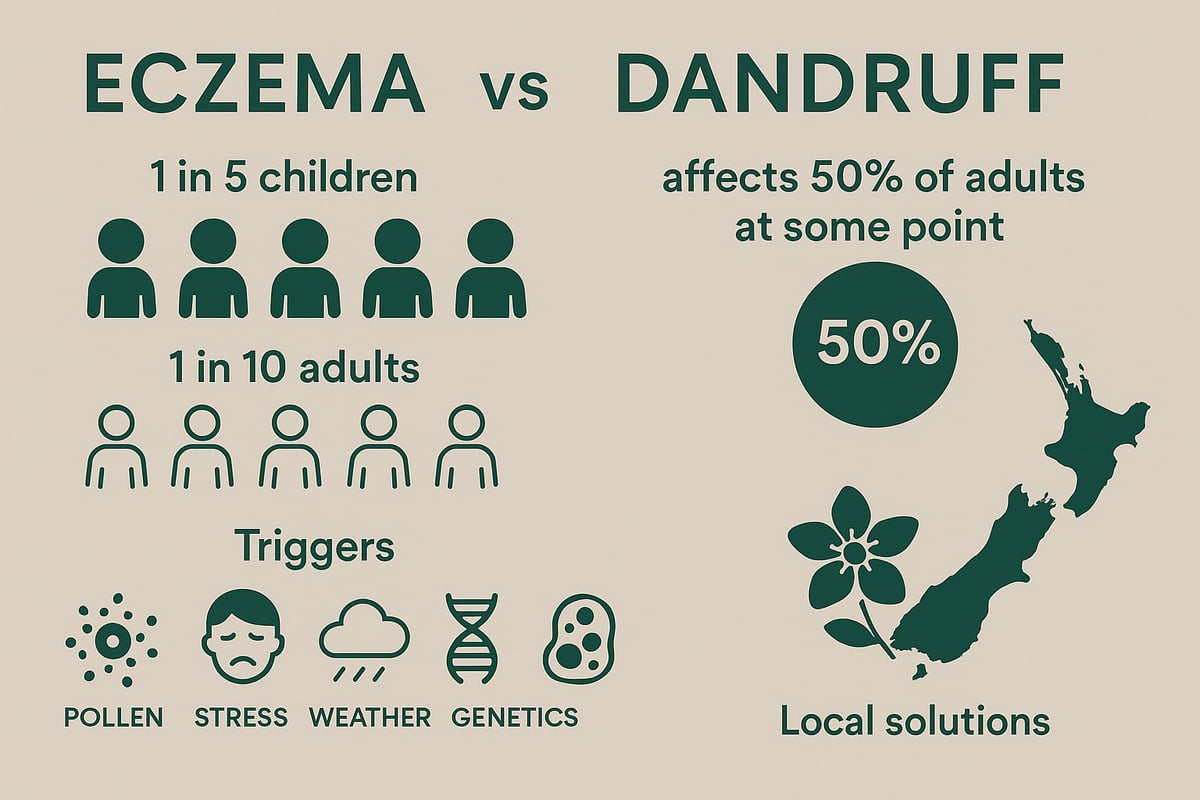
Eczema, often called atopic dermatitis, is a long-lasting skin condition marked by redness, itching, and inflammation. In New Zealand, it affects about 1 in 5 children and 1 in 10 adults, making it a significant concern for families.
There are several types, including atopic, contact, and seborrheic eczema. Triggers can range from allergens and stress to genetics and environmental factors. Eczema can appear anywhere on the body, but scalp involvement is common, which sometimes makes it tricky to distinguish from eczema dandruff.
The impact goes beyond skin. Eczema can disrupt sleep, lower self-esteem, and affect daily life. Many Kiwis are now exploring natural options, like full-spectrum Mānuka extract, to help manage flare-ups gently.
| Condition | Who is Affected in NZ | Typical Triggers |
|---|---|---|
| Eczema | 1 in 5 children, 1 in 10 adults | Allergens, stress, genetics, environment |
| Dandruff | 1 in 2 adults | Malassezia yeast, oily skin, weather, stress |
What is Dandruff?
Dandruff is a common scalp condition, mainly showing up as white or yellowish flakes and mild itching. It is often due to an overgrowth of Malassezia yeast or increased oil production on the scalp. Around half of all adults will experience dandruff at some point.
While dandruff may seem mild compared to eczema dandruff, it can still cause social discomfort and annoyance. Triggers include oily skin, stress, and changes in weather. In more severe cases, dandruff overlaps with seborrheic dermatitis, which shares features with eczema.
For more on the overlap and how to tell them apart, see this in-depth guide: Dermatitis and dandruff differences.
Both eczema dandruff can affect quality of life, but understanding their unique causes and symptoms is the first step to finding relief.
Key Differences: Eczema vs. Dandruff
Struggling to tell the difference between eczema dandruff? You’re not alone. Understanding what sets them apart makes all the difference when seeking relief.
Causes & Risk Factors
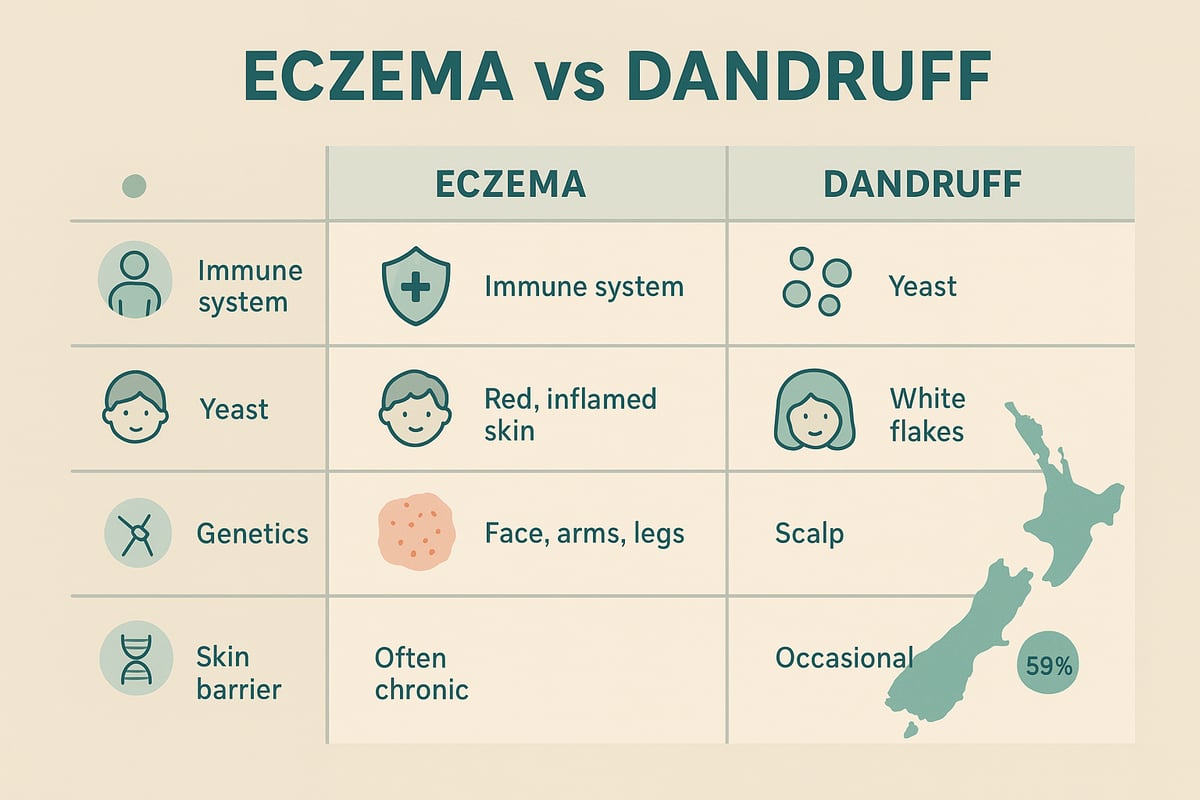
Eczema dandruff have unique root causes, although both can affect the scalp. Eczema is often linked to genetic factors, immune system overactivity, and a weakened skin barrier. Family history plays a huge role, especially if allergies or asthma run in the family. Triggers like allergens, stress, and cold, dry weather can spark flares.
In contrast, dandruff is most commonly caused by an overgrowth of Malassezia yeast on oily skin. Hormonal changes during puberty, humidity, and infrequent washing can all ramp up dandruff symptoms. While eczema mainly affects children, dandruff is more common in teens and adults.
Symptoms & Appearance
Eczema dandruff might look similar at first, but there are clear signs to watch for. Eczema usually causes red, itchy, inflamed patches, sometimes with oozing or crusting. It can show up anywhere on the body, including the scalp.
Dandruff, on the other hand, is known for white or yellowish flakes and mild itching on the scalp. The skin may feel greasy but isn’t usually painful. Eczema can bleed or form scabs, while dandruff rarely gets that severe.
Here’s a quick table to help you compare:
| Feature | Eczema | Dandruff |
|---|---|---|
| Colour | Red, inflamed | White/yellow flakes |
| Itching | Often intense | Usually mild |
| Location | Anywhere, scalp/body | Scalp, brows, ears |
| Severity | Can bleed, ooze | Rarely painful |
For more details, check out this Dandruff vs. Eczema: Causes and Treatments guide.
Duration & Chronicity
Eczema dandruff are both long-term conditions, but their patterns differ. Eczema tends to flare up with certain triggers and then settle, only to return later. It’s a chronic, relapsing problem that can disrupt sleep and daily life.
Dandruff is persistent but often fluctuates depending on care. It may worsen with stress, weather changes, or if you skip regular washing. While both require ongoing management, understanding these patterns helps you find the right routine.
Diagnosing Eczema and Dandruff in 2025
Identifying whether you are experiencing eczema dandruff or another scalp condition can feel overwhelming, especially with overlapping symptoms. Fortunately, advances in dermatology and digital health are making it easier to get accurate answers and targeted relief.
Diagnostic Criteria & Tools
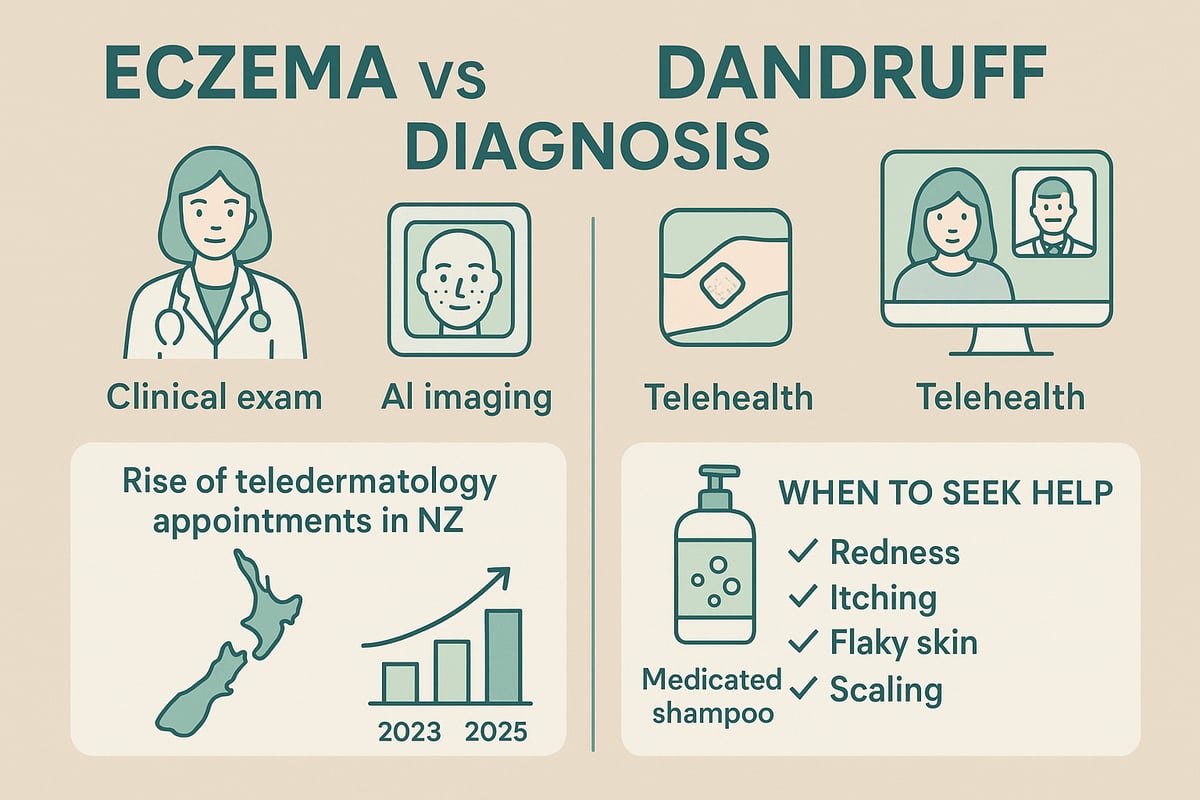
Diagnosing eczema dandruff starts with a detailed clinical assessment. A dermatologist will look closely at your scalp and skin, checking for the hallmark signs of each condition. For eczema, patch testing may be used to identify specific allergens or triggers, while your family and medical history provide valuable clues.
Dandruff is often diagnosed by visual inspection. If you have greasy flakes or mild itching, your doctor might try an antifungal shampoo to see if symptoms improve. Sometimes, the lines blur, as seborrheic dermatitis can mimic both eczema and dandruff.
In 2025, digital health tools are transforming how eczema dandruff is diagnosed. AI-powered skin imaging and teledermatology allow you to consult experts from home, with high-resolution images helping to distinguish between scalp conditions. In fact, telehealth dermatology appointments in New Zealand have increased by 35 percent since 2023, speeding up access to care and advice. For a deeper dive into scalp issues and modern diagnostic methods, explore Understanding dandruff and scalp issues.
| Diagnostic Tool | Eczema | Dandruff |
|---|---|---|
| Clinical exam | ✓ | ✓ |
| Patch testing | Often | Rare |
| AI imaging | Emerging | Emerging |
| Teledermatology | Growing | Growing |
| Response to shampoo | Seldom | Often |
When to Seek Professional Help
While many cases of eczema dandruff can be managed at home, certain signs mean it is time to see a healthcare professional. If you notice oozing, swelling, fever, or signs of infection, do not wait. Severe symptoms like bleeding, widespread rashes, or sleep disruption are also red flags.
If your eczema dandruff does not improve with over-the-counter remedies or keeps coming back, a dermatologist can help tailor a plan for your needs. Sometimes, scalp psoriasis or other skin conditions can look similar, so getting an expert opinion is important.
For parents, watch for changes in your child's scalp or skin that do not respond to gentle care. Early intervention can make a big difference, especially if you are seeing persistent or worsening symptoms.
Latest Relief Strategies & Treatment Options
Finding relief for eczema dandruff can feel like a never-ending quest. The good news is, 2025 brings a wider range of solutions than ever before, blending proven medical treatments with breakthrough natural therapies. Whether you prefer conventional approaches or are looking for something botanical and gentle, there are options to suit every skin type and lifestyle.
Conventional Treatments
For many, the first step in managing eczema dandruff involves time-tested medical therapies. Dermatologists often recommend topical corticosteroids to calm inflammation for eczema and medicated shampoos for dandruff. These shampoos may contain zinc pyrithione, ketoconazole, or selenium sulphide, all designed to reduce flaking and soothe the scalp.
Prescription options are available for more stubborn cases. Severe eczema dandruff might be treated with calcineurin inhibitors or even biologic medicines, such as Dupixent, which targets underlying immune pathways. Moisturisers are essential for both conditions, helping restore the skin barrier and prevent future flare-ups.
It is important to note that while these treatments can be highly effective, they may not suit everyone, especially those with sensitive skin or who wish to avoid long-term steroid use. Regular follow-up with a healthcare professional ensures your eczema dandruff management plan stays up to date and tailored to your needs.
Treatment Comparison Table
| Treatment Type | Eczema | Dandruff | Suitable for Children | Steroid-Free |
|---|---|---|---|---|
| Corticosteroids | ✔ | ✔ | ||
| Medicated Shampoos | ✔ | ✔ | ✔ | |
| Moisturisers | ✔ | ✔ | ✔ | ✔ |
| Biologics | ✔ | ✔ |
Natural & Emerging Therapies
Many people are now exploring natural and holistic ways to address eczema dandruff. Probiotics, omega-3 supplements, and vitamin D have all shown promise in supporting skin health from the inside out. Light therapy, particularly UVB, is sometimes used for eczema, though its role in dandruff is more limited.
Lifestyle plays a crucial role. Stress, diet, and daily habits can all trigger eczema dandruff flares. Simple changes, such as choosing gentle, fragrance-free shampoos or incorporating stress management techniques, can make a significant difference. Oatmeal baths are a classic remedy for calming irritated skin, while natural oils like tea tree are sometimes used to manage dandruff.
If you are seeking more practical ideas, you can find Eczema relief and management tips that cover natural routines and product choices. These strategies are especially helpful for those wanting to reduce reliance on pharmaceuticals and support their skin’s resilience in a holistic way.
Natural Relief with Full Spectrum Mānuka Extract: The Waipu Extracts Approach
One of the most exciting advances in eczema dandruff care comes from the heart of New Zealand. Waipu Extracts has pioneered a world-first, full spectrum Mānuka extract that captures all the bioactive benefits of the native plant. Unlike standard Mānuka oil, this extract is designed to retain anti-inflammatory, antimicrobial, and barrier-supporting compounds, making it a unique solution for both eczema and scalp irritation.
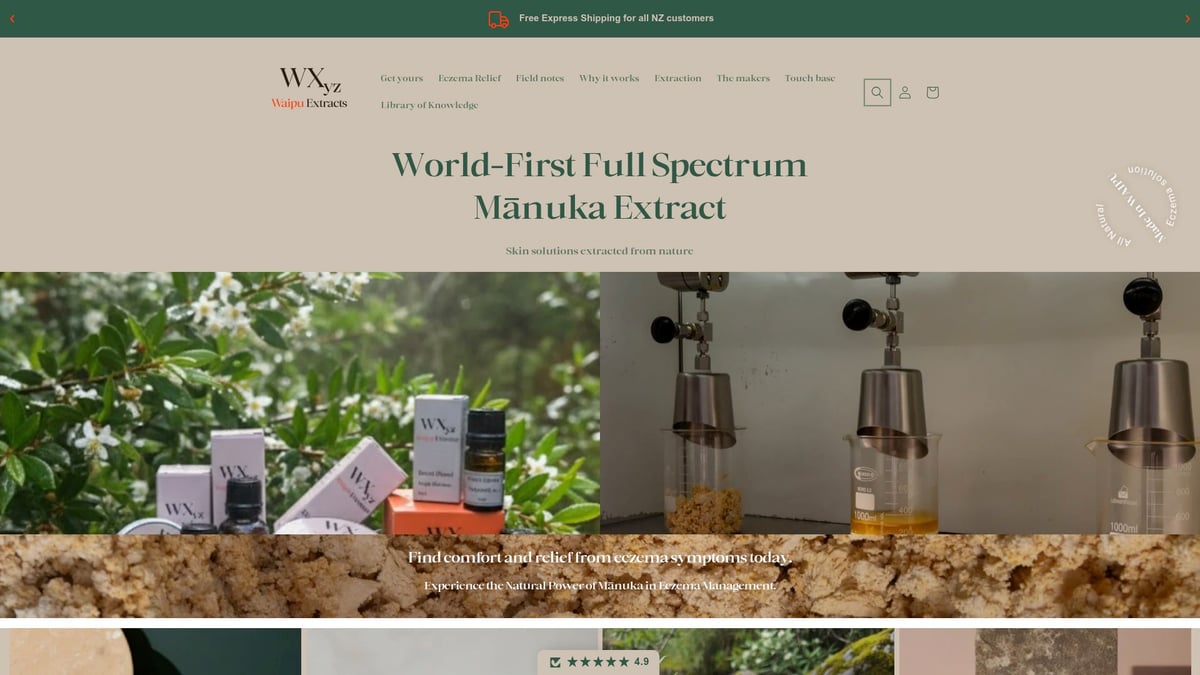
Waipu Extracts’ Boost Blend targets dandruff and scalp itch, while the Hyper Blend is formulated for eczema patches on the body. Their Skin Rescue Balm is a gentle, steroid-free option suitable for sensitive skin and even children. Many users report rapid relief from redness and itching, with healthier, calmer skin after switching to Mānuka-based care.
What sets Waipu Extracts apart is the commitment to local, sustainable production in NZ. For those with chronic eczema dandruff, this approach offers a natural, science-backed alternative, supporting skin healing without harsh chemicals or steroids.
Prevention & Daily Management Tips
Everyday Habits for Eczema and Dandruff
Managing eczema dandruff starts with small, consistent changes to your daily routine. The right habits can make a dramatic difference in symptoms, comfort, and confidence.
Here's what works best for most people:
- Gentle cleansing: Use fragrance-free, mild cleansers or shampoos. Avoid products with harsh sulphates or alcohol.
- Moisturising: Apply a nourishing, non-irritating moisturiser right after washing. Natural options, like Mānuka extract-based creams, support the skin barrier.
- Scalp care: Wash your scalp regularly with lukewarm water. Use a soft brush or fingertips to avoid irritation.
- Allergen and irritant avoidance: Stick to fragrance-free, hypoallergenic products. Patch test new skincare before use.
- Stress management: Practise mindfulness, get enough sleep, and keep a healthy routine. Stress can trigger eczema dandruff flares for many.
- Environmental control: Use a humidifier in dry climates and protect your skin from the sun.
Switching to mild, natural shampoos can reduce dandruff flares and soothe itchy scalp. Many people with eczema dandruff report improvement after swapping to gentle, Mānuka-based hair care. For those curious about the science behind scalp conditions, this comprehensive review of seborrheic dermatitis and dandruff offers deeper insight.
Special Considerations for Children and Sensitive Skin
Children and those with sensitive skin need extra care when managing eczema dandruff. Choose age-appropriate, fragrance-free, and hypoallergenic products to reduce the risk of irritation.
Educate yourself and others in your household to recognise early signs of flares. Quick action—like switching to a gentle, natural balm—can prevent symptoms from worsening. Parents often find that simple changes, such as using a soft towel to pat dry or avoiding tight hats, help minimise discomfort.
New Zealand’s full spectrum Mānuka extract is a popular choice for infants with cradle cap or eczema. Its natural antimicrobial and soothing properties make it safe for daily use, even on delicate skin. Many families share positive stories of using Mānuka-based balms to calm redness and itching, supporting healthy skin through every stage of life.
If you have questions about the best routines or notice persistent symptoms, consult a healthcare professional for tailored advice.
Eczema and Dandruff: Myths, FAQs & 2025 Insights
Ever wondered if what you know about eczema dandruff is actually true? Misinformation can make managing symptoms harder, so let’s clear up some of the biggest myths, answer your pressing questions, and explore what’s changing in 2025.
Common Myths Debunked
There are plenty of misconceptions about eczema dandruff. Here are some of the most common, and the facts behind them:
| Myth | Fact |
|---|---|
| Dandruff is caused by poor hygiene | Dandruff is linked to scalp biology, not washing frequency |
| Eczema is contagious | Eczema is an immune-related condition, not infectious |
| Only children get eczema | Adults can develop or continue to have eczema |
| Dandruff can’t be controlled | Most people can manage dandruff with proper care |
No matter your age, hair type, or how often you wash, eczema dandruff can still appear. Studies show people with all hair textures experience dandruff, even with good hygiene habits.
Frequently Asked Questions
You might be asking: Can you have eczema dandruff at the same time? Yes, it’s possible, especially in areas like the scalp, eyebrows, or behind the ears. If you’re unsure whether you’re experiencing eczema or dandruff, look for symptoms like redness, oozing, or crusting, which are more typical of eczema.
Are natural remedies safe? Many people find gentle, plant-based products like full-spectrum Mānuka extract helpful. For more on affected areas, see this Eczema in eyebrows: expert guide.
Can diet impact symptoms? New research in 2025 is exploring the link between gut health and eczema dandruff, suggesting that lifestyle changes may play a role in symptom relief.
Future Trends & Research
Big changes are on the horizon for managing eczema dandruff. Advances in microbiome science are uncovering how bacteria and yeast on the skin influence flares. AI-powered diagnosis tools and teledermatology are making expert care more accessible, with virtual appointments up 35 percent since 2023.
Natural therapies are also gaining traction. Ongoing research in New Zealand is examining the benefits of Mānuka extract for chronic skin issues, with early results showing promise for sensitive, irritated skin.
The future is bright for anyone seeking better control over eczema dandruff, with new solutions on the way.
If you’re feeling overwhelmed by the differences between eczema and dandruff or you’re simply looking for gentle, effective relief in 2025, you’re not alone. We’ve explored how natural options like New Zealand’s full spectrum Mānuka extract can offer powerful support for irritated, flaky, or inflamed skin—without harsh chemicals or steroids. If you’re ready to take a step towards calmer, healthier skin, why not see the benefits for yourself? You can start your journey today with the same pure Mānuka extract trusted by so many others—discover it here:
Get Your Mānuka Extract Today