

Struggling with stubborn eczema at the back? You’re definitely not alone—thousands of Kiwis are searching for real, lasting relief in 2025. This guide is here to help you take control, offering the very latest, expert-backed strategies for managing eczema at the back, designed specifically for New Zealanders.
We’ll break down what causes eczema at the back, how to spot your triggers, and step-by-step ways to manage flare-ups. Discover the newest medical advances, innovative natural solutions like NZ’s own Mānuka extract, and simple routines that can make a world of difference. Ready to find relief? Let’s get started.
Understanding Eczema at the Back: Causes and Symptoms
Eczema at the back can feel like an uphill battle, but understanding its causes and symptoms is the first step towards relief. Let's break down what eczema is, why the back is so often affected, and how you can spot the signs early.
What is Eczema?
Eczema is a chronic skin condition that causes inflammation, dryness, and intense itching. It disrupts the skin’s natural barrier, making it more sensitive to irritants and allergens.
The most common type is atopic dermatitis, which is often linked to genetics and immune system factors. Other forms, like contact dermatitis or nummular eczema, have different triggers but similar symptoms.
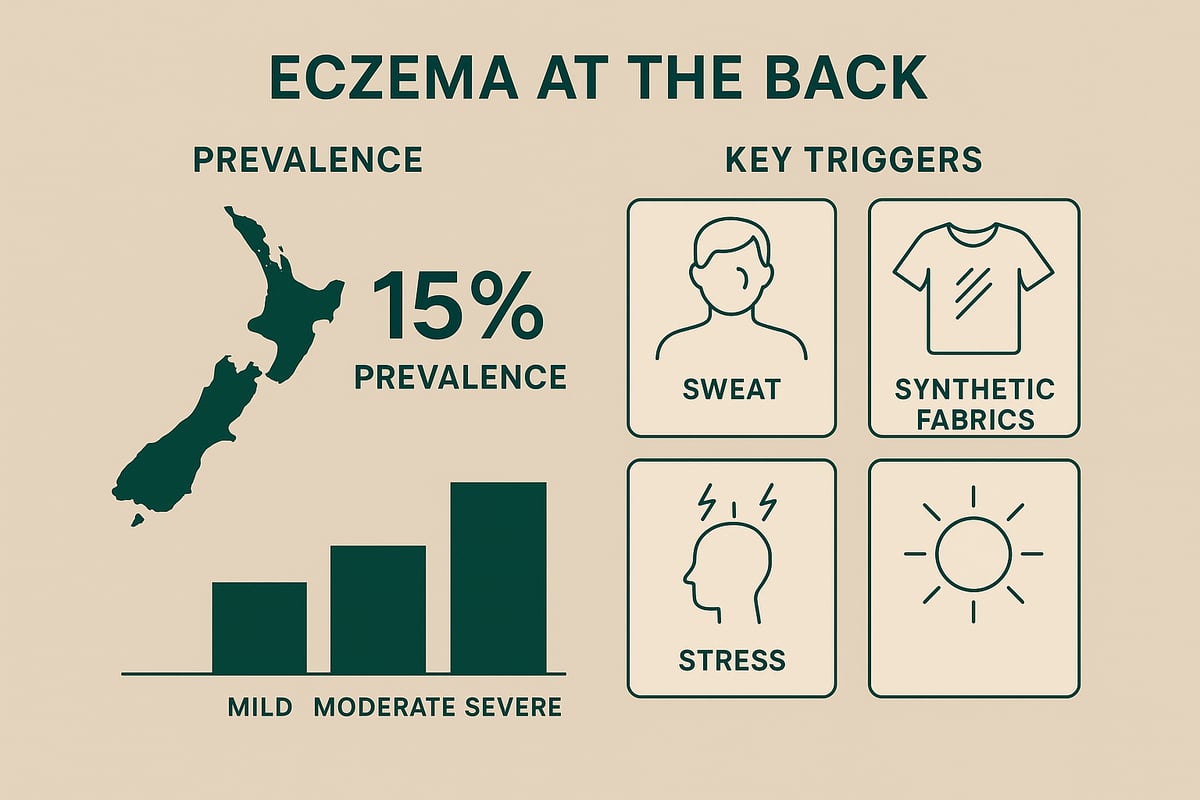
Why does eczema at the back happen so frequently? The back is prone to friction from clothing and sweat, and is harder to reach for proper skincare. According to the NZ Ministry of Health, over 15% of Kiwis experience eczema symptoms, making it a widespread issue.
Consider the case of an adult living with chronic eczema at the back. Despite trying various creams, flare-ups persisted until they identified specific triggers and adjusted their daily habits.
Key Triggers and Risk Factors
Eczema at the back can be set off by many everyday factors. The most common triggers include:
- Sweat and overheating, especially after exercise or during hot NZ summers
- Synthetic fabrics that trap moisture or cause irritation
- Stress, which can weaken the skin’s barrier
- Allergens like dust mites or pollen
- Harsh soaps and detergents
New Zealand’s unique climate, with its variable humidity, can also influence flare-ups. Genetics play a large role, so a family history increases your risk.
Statistics show that 60% of people with eczema at the back report flare-ups triggered by clothing or sweat (NZ Dermatology Review, 2024). For example, a Kiwi teen experienced frequent flare-ups after sports practice until switching to breathable cotton shirts.
To dive deeper into triggers and practical solutions, check out Eczema flare-ups and triggers.
Recognising Symptoms and Severity
Spotting the signs of eczema at the back early helps you manage it more effectively. Common symptoms include:
- Red, inflamed patches
- Persistent itching, sometimes severe
- Dry, scaly, or thickened skin
- Oozing or crusting during flare-ups
Severity can range from mild (occasional itching and dryness) to moderate (regular patches and discomfort) to severe (widespread redness, broken skin, and sleep disruption).
It's important to see a GP if you notice persistent or worsening eczema at the back, especially if it affects your sleep, work, or quality of life.
For instance, a child with eczema at the back may scratch so much at night that their sleep is disrupted, leading to tiredness and irritability during the day. Recognising these impacts early means you can act quickly to find relief.
Step-by-Step Management of Eczema at the Back
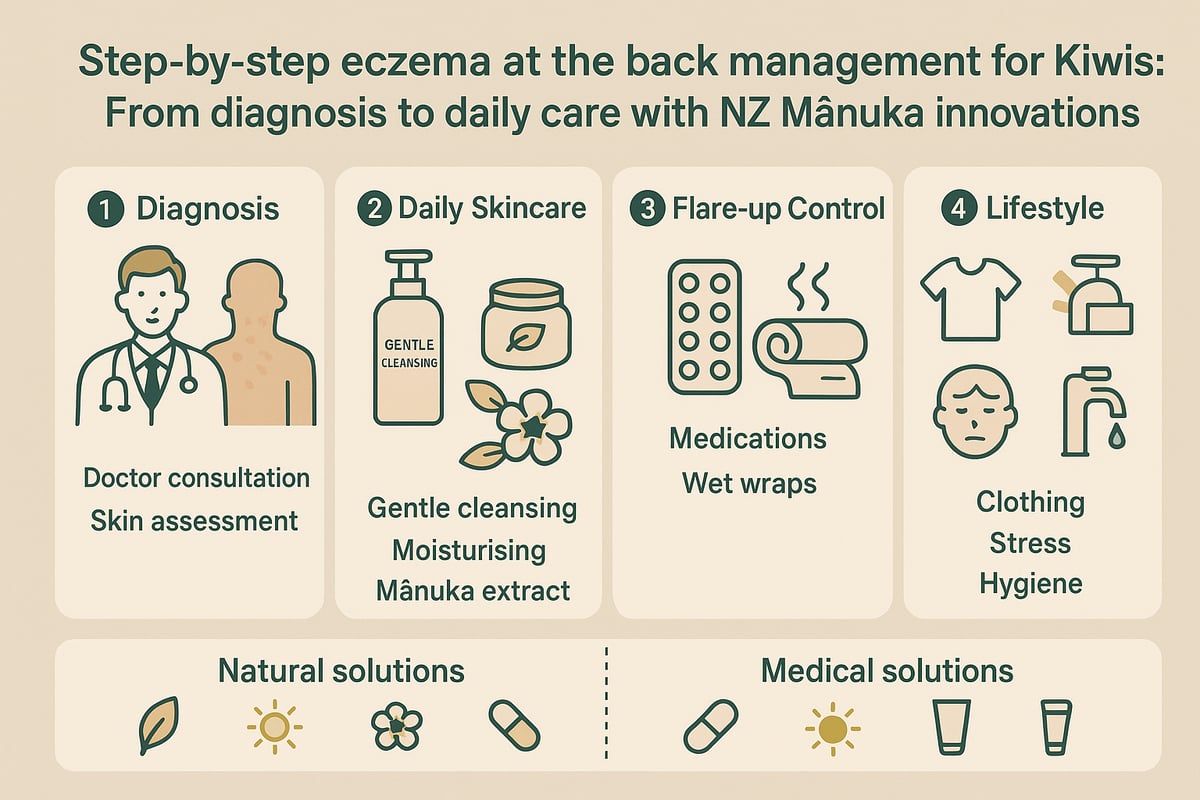
Managing eczema at the back can feel overwhelming, but breaking it down into clear steps makes the journey less daunting. With the right approach, you can reduce flare-ups and regain comfort in your skin.
Step 1: Accurate Diagnosis and Assessment
The first step to managing eczema at the back is getting the right diagnosis. Book an appointment with your GP or a dermatologist who understands eczema. They will examine your back for signs like redness, scaling, or oozing.
You might need patch testing or allergy screening to pinpoint triggers unique to your skin. Keeping a daily symptom diary can help you and your doctor spot patterns, such as reactions to a new detergent or fabric.
For example, one adult in Auckland discovered their eczema at the back was mainly triggered by a specific laundry powder, making avoidance much easier. Early assessment sets the foundation for effective treatment and long-term relief.
Step 2: Daily Skincare Routine
A gentle, consistent skincare routine is essential for controlling eczema at the back. Start with a mild, fragrance-free, pH-balanced wash to avoid stripping the skin’s barrier. After every shower, pat your back dry with a soft towel and apply a rich moisturiser.
Choose creams loaded with ceramides or colloidal oatmeal, which lock in hydration and protect against irritation. New Zealand’s own full-spectrum Mānuka extract products are gaining attention for their skin-soothing, antibacterial properties. These natural balms are safe for sensitive skin and can be added to your daily routine.
Avoid hot showers and rough towels that can worsen eczema at the back. One Wellington resident found that switching to a gentle routine reduced flare-ups by 50 percent in just a month. Consistency is key to keeping your skin calm and healthy.
Step 3: Managing Flare-Ups Effectively
When eczema at the back flares up, quick and targeted action makes a difference. Topical corticosteroids or non-steroidal creams are often prescribed for short-term use to reduce inflammation. For more severe itching, oral antihistamines may provide extra comfort.
Wet wrap therapy is a popular method for calming intense flares, especially in children. This involves applying medication and moisturiser, then covering with a damp layer to boost absorption. Many New Zealand families have seen impressive results, with children returning to school and sleep improving.
For more practical strategies on clearing stubborn patches, check out the Clearing eczema: expert tips. Remember, prompt management helps prevent complications and keeps eczema at the back under control.
Step 4: Lifestyle Modifications
Simple changes to your daily habits can make eczema at the back more manageable. Wear loose, breathable clothing made from natural fibres like cotton or bamboo. This helps reduce sweating and irritation.
Stress is a common trigger, so try mindfulness, yoga, or cognitive behavioural therapy. Wash bedding and clothes regularly with hypoallergenic detergents to keep allergens at bay.
A student in Christchurch found that managing stress through daily meditation and switching to cotton shirts made a noticeable difference. Every small change adds up, making life with eczema at the back easier to navigate.
Innovative Treatments and Medical Advances for 2025
Breakthroughs in treating eczema at the back are transforming the lives of Kiwis in 2025. With new prescription options, specialised therapies, and digital tools, lasting relief is closer than ever for those struggling with persistent symptoms.
Latest Prescription Therapies
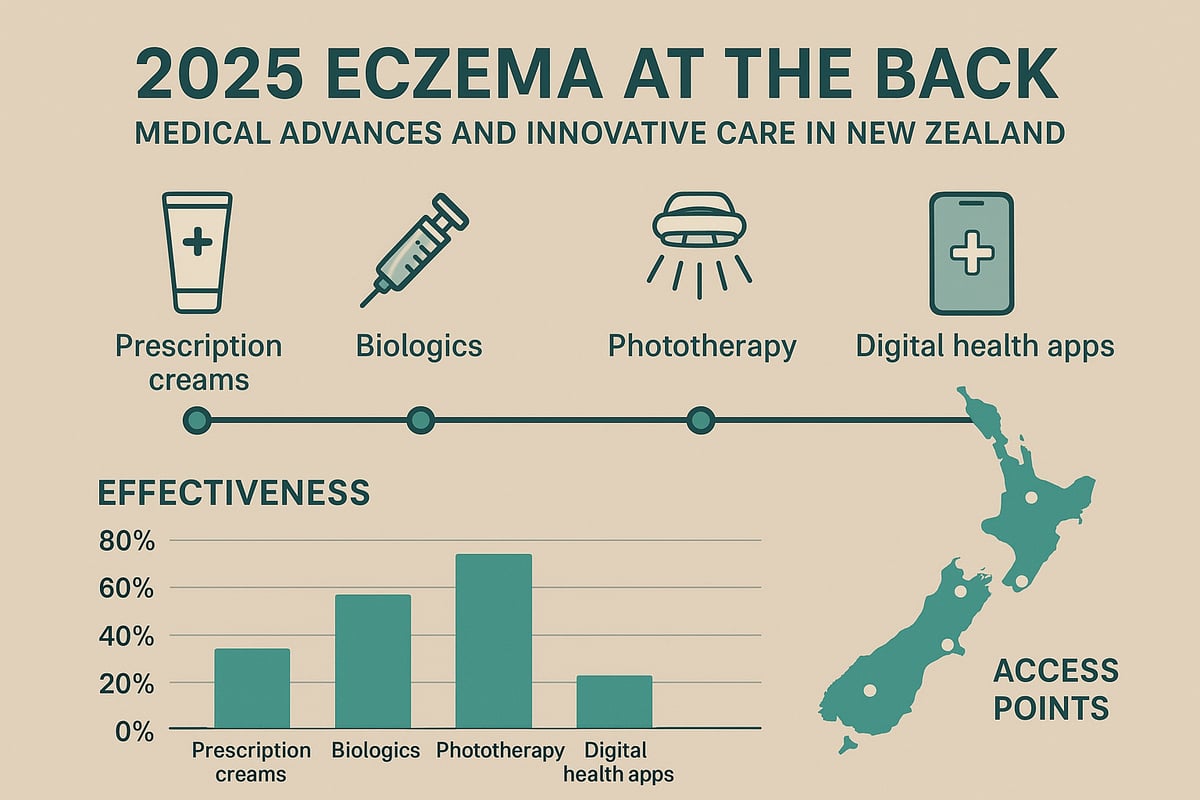
For many living with eczema at the back, prescription therapies are a vital step toward control. New Zealand's 2025 treatment landscape now includes topical calcineurin inhibitors like tacrolimus and pimecrolimus, ideal for sensitive skin areas. Recent non-steroidal creams have also been approved, offering alternatives for those who cannot use steroids long term.
Oral and injectable biologics, such as dupilumab, are revolutionising care for severe eczema at the back. Clinical trial data from NZ shows biologics can reduce flare frequency by up to 60 percent. Thanks to Pharmac's decision on eczema treatments, more Kiwis now have access to these advanced options. Discussing these choices with your healthcare provider ensures you receive the right care for your eczema at the back.
Light Therapy and Phototherapy
When eczema at the back proves stubborn or widespread, light therapy offers a targeted solution. UVB narrowband phototherapy is now widely available across New Zealand, providing a safe and effective approach for chronic cases. The process involves regular, short sessions under medical supervision, minimising risks while promoting healing.
Many adults with eczema at the back have seen dramatic improvements after 12 weeks of UVB treatment. This therapy can reduce itching and inflammation, often allowing for a reduction in topical medication use. Always consult a dermatologist to determine if phototherapy is suitable for your eczema at the back.
Emerging Innovations
Innovation is moving fast in eczema at the back treatment, especially in New Zealand. Microbiome-based creams and probiotic supplements are showing promise in early trials, helping to restore healthy skin bacteria. Gene-targeted therapies are also being investigated, with the potential to personalise treatment for stubborn eczema at the back.
Digital health tools, including NZ-designed eczema tracking apps, are empowering patients to monitor symptoms and triggers daily. These innovations offer hope for more tailored, effective care. Early results from local microbiome studies suggest better skin resilience and fewer flare-ups for those with eczema at the back.
When to Consider Specialist Referral
Sometimes, eczema at the back requires specialist care. Criteria for referral include persistent or severe symptoms, repeated infections, or lack of response to standard treatments. Dermatologists and immunologists can offer advanced therapies and coordinate multidisciplinary support for complex cases.
A typical referral pathway for persistent eczema at the back starts with your GP and may involve patch testing, allergy screening, and review of current medications. Seeking expert help ensures you explore every available option for lasting relief.
Natural Solutions and New Zealand Innovations
Looking for natural relief from eczema at the back? Many Kiwis are turning to trusted homegrown solutions, combining the best of nature and science. Let’s dive into how New Zealand’s unique ingredients and innovations are offering fresh hope for eczema at the back.
The Role of Natural Remedies in Eczema Care
Natural options are increasingly popular for eczema at the back, especially when gentle care is needed for sensitive skin. Evidence supports the use of certain oils, balms, and plant extracts, such as calendula, sunflower, and especially Mānuka.
However, not all natural products are created equal. Some can irritate the skin or lack proven benefits. Always check ingredients and patch test new products first.
Did you know 40% of New Zealanders with eczema at the back use natural remedies alongside medical treatments? This trend highlights the desire for safe, effective alternatives and the importance of informed choices.
Full Spectrum Mānuka Extract: A New Zealand Breakthrough
Mānuka is a true hero for eczema at the back. Its antibacterial and anti-inflammatory powers make it a standout among natural options. What sets full-spectrum Mānuka extract apart is the preservation of every beneficial compound—from rare triketones to native antioxidants.
This holistic extraction process means your skin gets the full benefit of what the Mānuka plant offers. Recent clinical evidence and local testimonials reveal impressive results, including reduced redness, calmer skin, and faster healing.
Consider the story of a Wellington mum who used full-spectrum Mānuka extract on her child’s eczema at the back. She saw visible improvement in just a few weeks, with less itching and happier sleep.
Waipu Extracts: Natural Eczema Relief Solutions
Waipu Extracts is a New Zealand company specialising in full-spectrum Mānuka extract for eczema at the back. Their range features Pure Mānuka Extract, Hyper Blend, Skin Rescue Balm, and Synergy Packages—all designed for sensitive skin and safe for children.
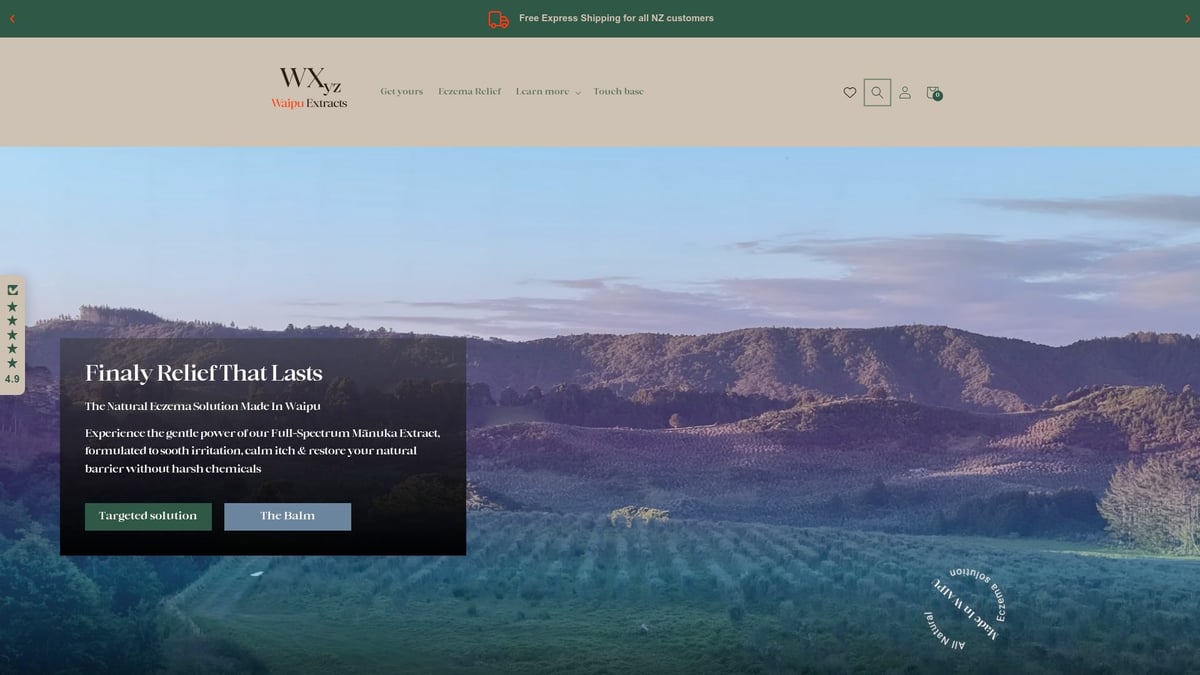
What makes Waipu Extracts unique? Every product is 100% natural, locally made, and designed to deliver visible results. Customers share before and after photos showing real progress on eczema at the back, often within weeks.
By choosing Waipu Extracts, you’re not only caring for your skin but also supporting NZ communities. They offer fast, free shipping and a commitment to quality that makes a real difference. To learn more about these solutions and see customer stories, visit their Natural solutions for eczema relief page.
Integrating Natural and Medical Approaches
Combining natural remedies like Mānuka extract with prescribed treatments can be a game changer for eczema at the back. Always consult your healthcare provider before adding new products, especially if you use topical steroids or other medicines.
For example, one Auckland patient achieved long-term relief by pairing Mānuka extract with doctor-recommended creams, showing how teamwork between nature and science leads to the best results.
Expert-Recommended Self-Care and Prevention Strategies
Living with eczema at the back can feel overwhelming, but small daily choices make a huge difference. Expert-backed self-care routines help soothe symptoms, reduce flare-ups, and protect your skin for the long term. Let’s explore practical strategies you can use every day.
Daily Habits for Eczema Prevention
Consistency is key when managing eczema at the back. Start with lukewarm showers, limiting them to under 10 minutes. Immediately after, apply a rich moisturiser to lock in hydration—look for products with ceramides or colloidal oatmeal.
Choose hypoallergenic detergents and wear soft, breathable fabrics like cotton or bamboo. Harsh soaps and scratchy towels can worsen eczema at the back, so opt for gentle, fragrance-free products. For more guidance, check out products for eczema-prone skin to build a safe daily routine.
Create a routine for yourself or your child, making these steps a habit. Many find that a dedicated skincare plan leads to fewer flare-ups and healthier skin overall.
Managing Triggers and Environment
Understanding what sparks eczema at the back is vital for prevention. Common triggers include sweat, dust mites, pollen, and certain fabrics. Keep a diary to track what seems to set off your symptoms.
Maintain a cool, humidified home environment. Excess heat or dryness can make eczema at the back worse. Wash bedding and clothing regularly in mild detergent to remove allergens and irritants.
Try switching bedding materials—some teens have found that changing to hypoallergenic sheets greatly reduced their eczema at the back flare-ups. Small environmental tweaks often bring big relief.
Nutrition and Eczema
What you eat can influence eczema at the back. Some people find their symptoms improve when they include more omega-3 rich foods like salmon, flaxseeds, and walnuts. Probiotics and anti-inflammatory foods, such as leafy greens and berries, may also help calm the skin.
If you suspect food sensitivities are affecting your eczema at the back, consider keeping a food diary and consulting a registered dietitian. According to the NZ Eczema Society, one in five New Zealanders report improvement in their eczema at the back after making dietary changes.
Focus on a balanced, whole-food diet to support your skin health from the inside out.
Support Networks and Mental Health
Dealing with eczema at the back isn’t just physical—it can be emotionally draining. Many people feel isolated or anxious about their skin. Support groups, online forums, and local resources are lifelines for sharing tips and encouragement. The Eczema Association of New Zealand survey report highlights the importance of mental health support and community connections for those living with eczema at the back.
If stress or anxiety becomes overwhelming, reach out to a mental health professional. One adult found joining a local support group improved their resilience and outlook, making eczema at the back easier to manage. Remember, you’re not alone in this journey.
If you’re ready to put these expert-backed strategies into action and want a natural way to support your skin’s healing, you’re not alone. I know how frustrating back eczema can be, especially when you’ve tried everything and just want lasting relief. That’s why so many Kiwis are turning to full spectrum Mānuka extract—its unique antibacterial and soothing properties are making a real difference for people just like you. If you’re curious to see how this natural solution could fit into your own routine, you can start your journey with Get Your Mānuka Extract Today.