

Do cracked hands leave you wincing every time you reach for something or wash up? You are not alone, as millions struggle with this frustrating skin concern, especially when the weather turns harsh or handwashing becomes frequent.
This expert 2026 guide is here to help you finally find relief. We will walk you through the real causes of cracked hands, prevention tips, step-by-step solutions, and the best natural and medical treatments.
Ready to discover science-backed remedies for lasting comfort and healthier skin? Let us guide you to hands that feel as good as new.
Understanding Cracked Hands: Causes and Risk Factors
Cracked hands are a widespread problem, and understanding why they happen is the first step to real relief. Let’s explore how your skin’s barrier works, what puts it at risk, and how to spot the signs before things get worse.
The Science of Skin Barrier Breakdown
Your skin’s barrier acts like a shield, locking in moisture and keeping out irritants. When it’s healthy, hands stay soft and resilient. When this barrier breaks down, cracked hands develop, leaving you vulnerable to pain, discomfort, and even infection.
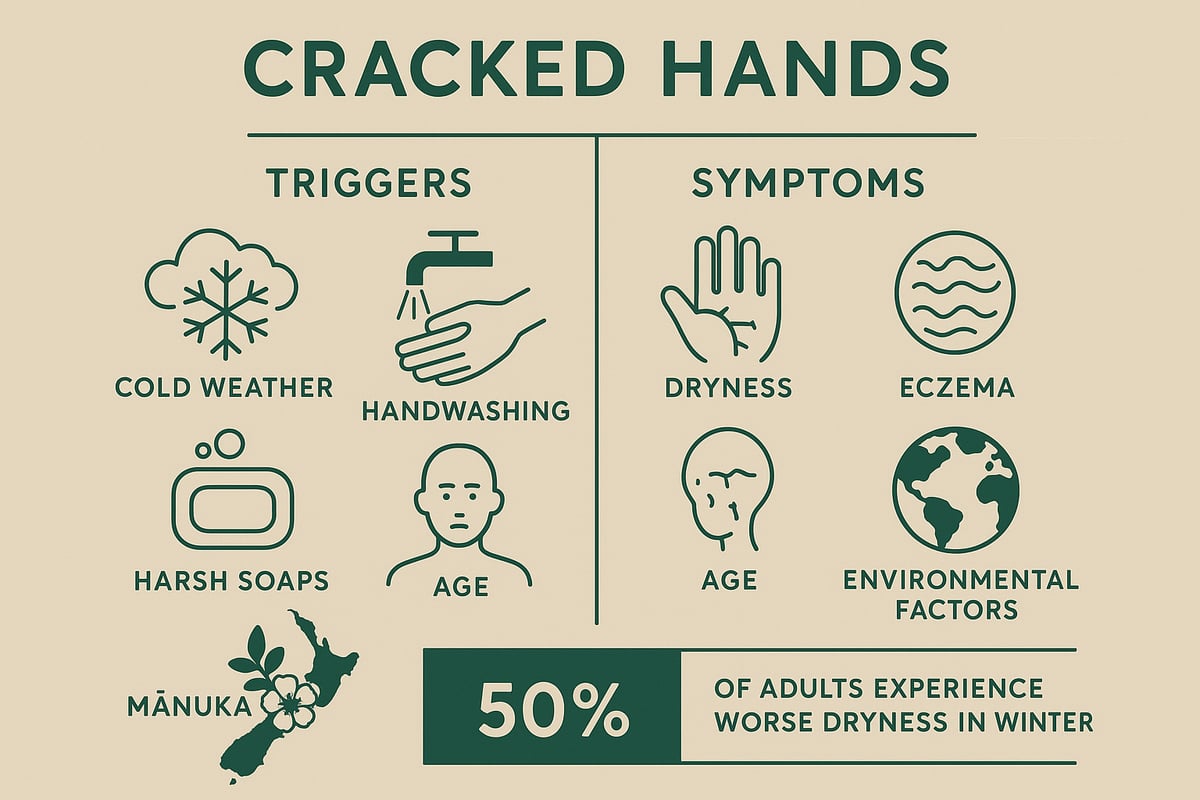
Common triggers include:
- Chilly weather and low humidity
- Frequent handwashing or use of harsh soaps and alcohol sanitisers
- Ageing, as skin becomes thinner and produces less oil over time
- Underlying conditions such as eczema, dermatitis, or psoriasis, which make the skin more fragile (Eczema Relief for Hands)
- Environmental exposures like chemicals, repeated wet work, and sun damage
- Lifestyle factors such as smoking, dehydration, and poor nutrition
During the pandemic, increased hand hygiene routines led to a noticeable spike in cracked hands among all ages. In fact, up to 50% of adults experience worsened hand dryness during winter, making the problem even more common.
Recognising the Symptoms of Cracked Hands
Early warning signs of cracked hands can be subtle but are important to catch. You might notice a tight feeling, rough texture, or mild flaking after washing or exposure to cold. As the damage worsens, symptoms progress to deeper cracks, bleeding, redness, and significant pain.
Watch for these visual cues:
- Grey, ashy skin
- Fine lines and peeling
- Persistent redness or swelling
Chronic cases of cracked hands are more serious, raising the risk of infection, swelling, and ongoing discomfort. It’s helpful to know the difference between simple dryness and a medical skin condition. For example, untreated cracks can sometimes lead to infection, requiring medical care.
If your symptoms are severe or do not improve, it’s always wise to consult a professional to rule out underlying issues.
Step-By-Step Relief: Expert Solutions for Healing Cracked Hands in 2026
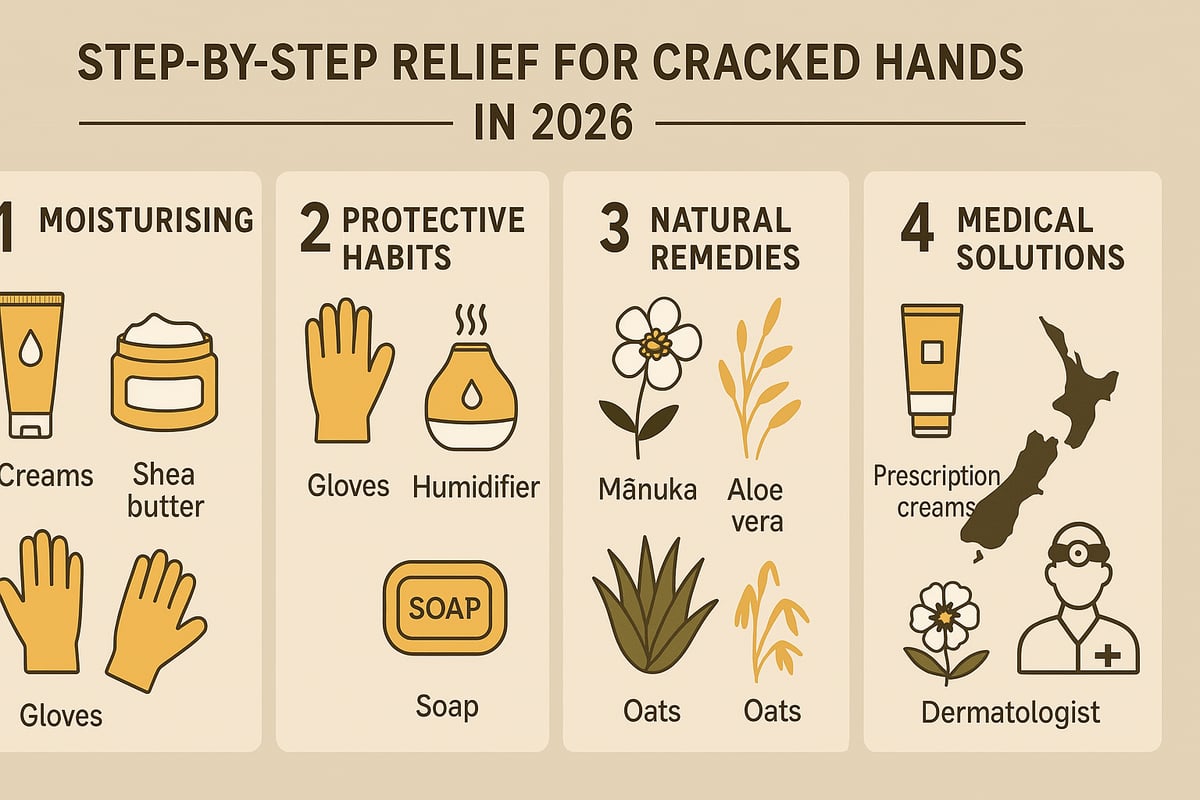
Struggling with cracked hands can make even simple tasks feel uncomfortable. Relief is possible with a targeted, expert-backed approach. Here’s a four-step plan designed for lasting results, using the latest research and natural innovations from New Zealand.
Step 1: Moisturising the Right Way
The cornerstone of healing cracked hands is consistent moisturising. Every time you wash your hands, apply a rich, fragrance-free emollient. Look for products containing:
- Petrolatum
- Shea butter
- Natural waxes
- Ceramides
For intense relief, coat your hands in a thick layer of moisturiser at night and slip on cotton gloves. This locks in moisture and helps repair the skin barrier as you sleep.
Studies show that using occlusive creams can improve skin hydration by up to 80 percent when applied regularly. If you want to keep cracked hands from recurring, make moisturising a daily habit.
Step 2: Protective Habits and Environmental Adjustments
Prevention is just as important as treatment for cracked hands. Create a protective routine:
- Always wear gloves when cleaning, gardening, or doing the dishes.
- Use a humidifier to add moisture to dry indoor air, especially in winter.
- Take shorter, cooler showers to avoid stripping your skin’s natural oils.
- Switch to gentle, hypoallergenic soaps and avoid alcohol-based sanitisers.
Swapping harsh cleansers for mild, pH-balanced options can reduce flare-ups and irritation. Small changes in your daily environment make a big difference in keeping cracked hands at bay.
Step 3: Natural Remedies That Work
Nature offers powerful solutions for soothing cracked hands. Aloe vera provides both hydration and anti-inflammatory relief, while oatmeal soaks help repair the skin barrier. Coconut oil and natural balms are gentle options for ongoing hydration.
New Zealand mānuka extract is a standout, prized for its antibacterial and skin-repairing benefits. Clinical evidence supports mānuka’s ability to reduce redness and promote healing, making it ideal for sensitive or eczema-prone skin. To learn more about these options, see Natural Solutions with Mānuka.
Step 4: Addressing Underlying Skin Conditions
Sometimes, cracked hands are caused by more than just dryness. If you notice persistent redness, swelling, or deep cracks, consider whether eczema, dermatitis, or psoriasis could be the culprit.
Consult a dermatologist for stubborn or severe cases. Medical treatments may include prescription creams, topical steroids, or even phototherapy for chronic eczema. Early intervention can prevent infection and long-term discomfort.
Taking a holistic approach ensures your cracked hands heal quickly and stay healthy for good.
Harnessing the Power of New Zealand Mānuka Extracts for Cracked Hands
Struggling with cracked hands that never seem to heal, no matter what you try? New Zealand mānuka extracts may be the game-changer you need. Locally crafted and celebrated for their natural potency, mānuka-based remedies are now leading the way in soothing and repairing even the most stubborn cases of cracked hands.
The Science Behind Mānuka Extracts
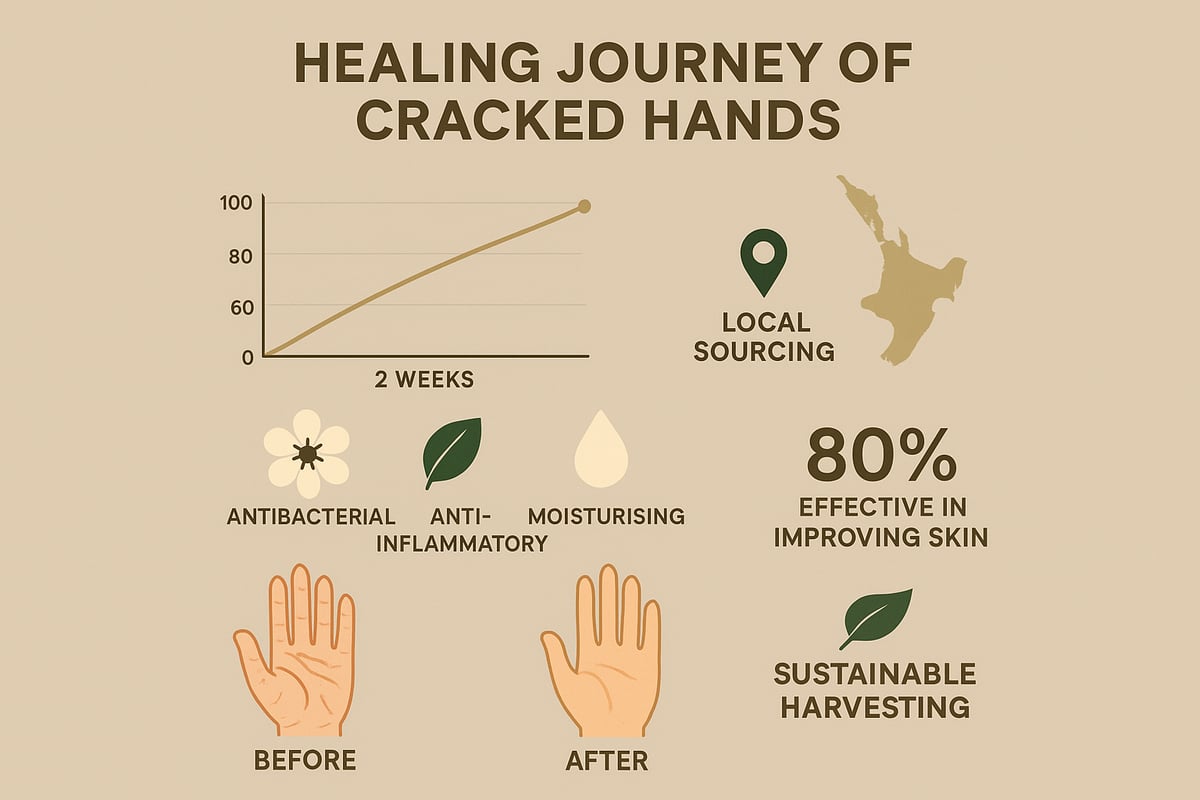
What makes mānuka extract so effective for cracked hands? The secret is its unique combination of antibacterial, anti-inflammatory, and skin-repairing compounds, including naturally occurring methylglyoxal. These properties work in harmony to fight infection, calm irritation, and speed up the healing of damaged skin.
Research supports mānuka’s role in wound care and repair. For example, clinical studies have shown that mānuka honey is not just soothing, but also actively promotes tissue regeneration and helps prevent infection. If you’re curious about the science, you can read more about manuka honey's antibacterial and wound healing properties, which highlight why it is so beneficial for cracked hands.
Why Mānuka Extracts Outperform Traditional Remedies
Unlike many conventional creams, full-spectrum mānuka extract provides a gentle yet powerful option for sensitive and eczema-prone skin. It locks in moisture, reduces redness, and calms itch—without harsh chemicals or artificial fragrances.
Waipu Extracts users often report visible improvements in just one week, sharing before and after photos that capture smoother, healthier skin. Families love that mānuka extract is suitable for all ages, including children. Plus, every batch is sustainably sourced in New Zealand, supporting local communities and the environment.
When it comes to cracked hands, mānuka extract offers a natural solution you can trust—gentle enough for daily use, yet strong enough to deliver real relief.
Prevention Strategies: Keeping Hands Healthy and Crack-Free
Keeping cracked hands at bay is all about building smart, sustainable habits. Prevention is far easier than tackling painful splits, so let's explore what really works for lasting protection.
Daily Habits for Ongoing Protection
A few simple steps each day can transform the health of your hands. Consistency is key when it comes to preventing cracked hands, especially during winter or when you're washing up frequently.
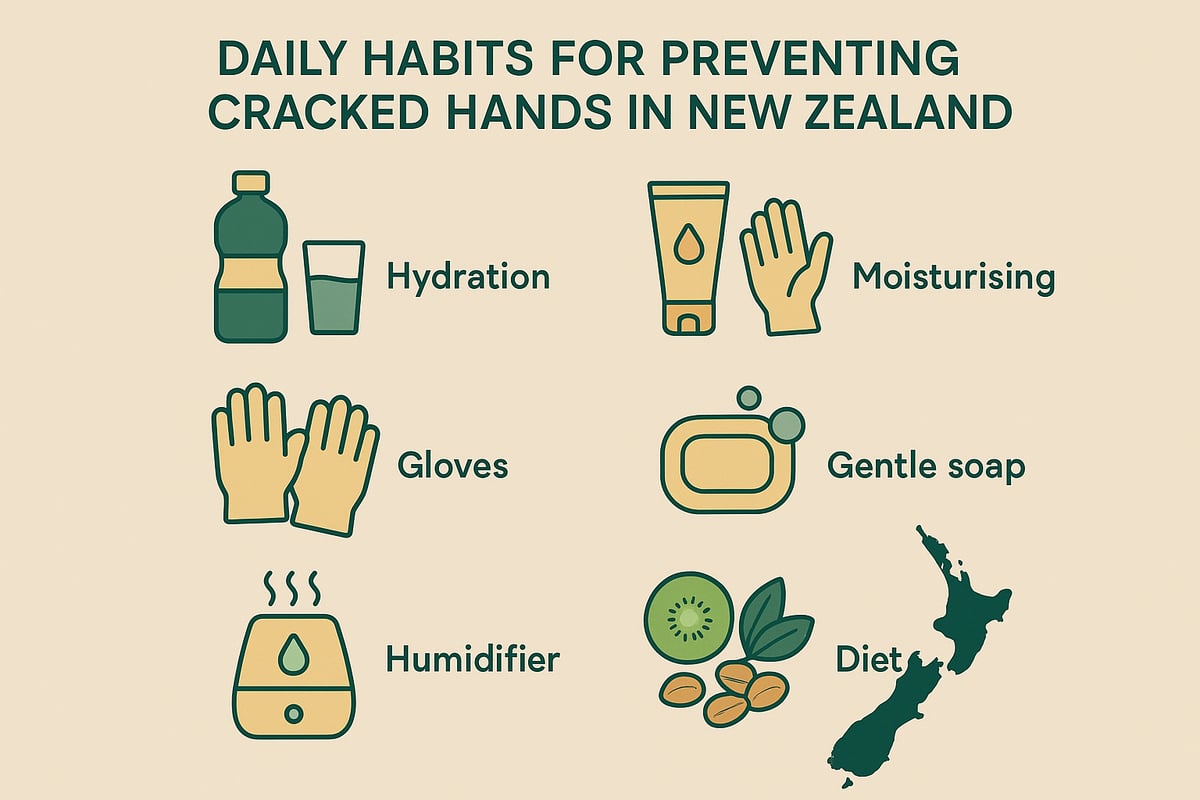
Try these proven strategies:
- Apply a nourishing moisturiser several times daily, not just when your skin feels dry.
- Drink plenty of water to support skin hydration from within.
- Avoid harsh chemicals and opt for gentle, pH-balanced handwashes.
- Use gloves during cleaning, gardening, or in cold weather to shield your skin.
- Run a humidifier indoors to combat dry air that can worsen cracked hands.
- Take shorter, lukewarm showers to minimise moisture loss.
- Eat a balanced diet packed with skin-loving nutrients like vitamin E, healthy fats, and antioxidants.
Did you know regular use of a humidifier can reduce winter dryness by 30 percent? That's a huge boost for anyone prone to cracked hands. And, for those looking for targeted topical relief, products like the Skin Rescue Balm Benefits can offer a powerful barrier, locking in moisture and soothing irritation with every application.
Pay attention to early warning signs like tightness or mild flaking. Acting fast prevents minor dryness from turning into severe cracked hands.
Special Considerations for At-Risk Groups
Some people need extra support to keep cracked hands under control. If you’re an older adult, your skin naturally gets thinner and produces less oil, so gentle care is essential. Moisturise more often, and use products specifically formulated for delicate or mature skin.
For those with eczema or chronic skin conditions, prevention is all about routine. Stick to fragrance-free, hypoallergenic products and avoid known triggers. Children’s skin is especially sensitive, so choose mild, fragrance-free washes and make glove-wearing a fun habit during cold or messy activities.
Remember, a nutrient-rich diet helps everyone maintain a strong skin barrier, and early intervention keeps cracked hands from becoming a bigger problem. Monitoring your hands daily and responding quickly makes all the difference, no matter your age or risk level.
Advanced Treatments and When to Seek Medical Help
When cracked hands become more than just a minor annoyance, advanced treatments can make all the difference. If home remedies are not bringing relief, or symptoms are getting worse, medical intervention may be needed to restore comfort and skin health.
Medical Interventions for Severe Cases
Some cases of cracked hands simply do not respond to basic care. In these situations, prescription-strength moisturisers are often the first line of defence. Creams containing urea or lactic acid help break down thickened skin and draw moisture deep into the layers. For hands that are red, inflamed, or extremely sore, topical steroids and hydrocortisone creams can reduce swelling and ease discomfort.
Deep cracks may require wet dressings or even liquid bandages, which act as protective shields and speed up healing. For those with long-term or treatment-resistant issues, UV light therapy (phototherapy) is sometimes prescribed by dermatologists. This approach helps soothe chronic inflammation, especially for those with eczema or psoriasis driving their cracked hands.
If infection sets in, antibiotics might be necessary. Signs like swelling, pus, or red streaks should never be ignored. Up to 10% of cracked hand cases require prescription treatment, making a timely medical approach crucial for recovery. Clinical research also highlights the role of advanced natural remedies, such as Manuka honey's role in tissue regeneration, which can support healing for damaged skin alongside medical therapies.
Recognising When It’s Time to See a Dermatologist
How do you know if your cracked hands need professional help? Watch for signs of infection: swelling, pus, honey-coloured crusts, or red streaks are warning signals. Persistent pain, bleeding, or cracks that do not heal with home care also mean it is time to book an appointment.
If you suspect an underlying skin condition like eczema, psoriasis, or even a systemic issue such as diabetes, early intervention can prevent complications. Sometimes, a seemingly simple case of cracked hands can become a gateway for bacteria, leading to serious health risks if left untreated.
A practical example: one patient ignored worsening cracks until infection set in, requiring hospital care. Early dermatological attention could have prevented this. If you are unsure, consult a specialist or learn more about hand skin issues in Dermatitis and Hand Irritation.
Remember, seeking help early for cracked hands is the best way to ensure lasting relief and protect your skin for the future.
Frequently Asked Questions About Cracked Hands
Cracked hands can be confusing and frustrating, especially when they linger or worsen despite your best efforts. Here, we answer the most common questions to help you find clarity and relief for cracked hands.
Can cracked hands heal on their own, and how long does it take?
Most cases of cracked hands will heal with consistent care, usually within 1–2 weeks. Moisturising frequently and avoiding harsh soaps speeds up recovery. If cracks persist beyond this, or worsen, check for underlying issues.
Is it safe to use super glue or liquid bandages on skin cracks?
Liquid bandages can be helpful for small, superficial cracks, but avoid regular super glue, as it may irritate skin or cause allergic reactions. For deep or infected cracks, consult a healthcare provider.
What’s the difference between hand eczema and simple dry skin?
Dry skin causes tightness and mild flaking, while eczema involves redness, itch, swelling, and sometimes blisters. Eczema often needs medical treatment. If cracked hands are very itchy, inflamed, or do not improve, it could be eczema.
Are natural remedies like mānuka extract safe for children and sensitive skin?
Yes, New Zealand mānuka extract is gentle and suitable for all ages, including those with sensitive skin. Its antibacterial and calming qualities support healing of cracked hands. Research shows Manuka honey accelerates burn wound healing, highlighting its potential for skin repair.
How can I tell if my cracked hands are a sign of a more serious health issue?
Warning signs include swelling, pus, yellow crusts, or red streaks—these may point to infection. Cracks that do not heal, or are linked to other symptoms like rashes or joint pain, should be checked by a doctor.
How can I manage cracked hands during pandemics or increased handwashing?
Use a rich, fragrance-free moisturiser after every wash. Switch to gentle, pH-balanced cleansers and avoid hot water. Consider gloves for cleaning and a humidifier at home. Studies suggest that ingredients like mānuka oil may also prevent UV-induced skin aging, adding protection against environmental triggers.
What’s the best way to combine natural and medical treatments?
Layer natural remedies such as mānuka balm beneath prescription creams when needed. Always follow your doctor’s advice for severe or persistent cracked hands.
If you’re ready to finally say goodbye to dry, cracked hands, you’re not alone—I know how tough it can be to find something that truly works. We’ve explored why your skin barrier breaks down, how to lock in moisture, and why powerful natural ingredients really matter. That’s where the magic of full spectrum Mānuka extract comes in. With its unique ability to support healing and calm irritation, it’s a gentle yet effective way to get your hands back to healthy. If you’re looking for real relief, Get Your Mānuka Extract Today and start your journey to softer, happier skin.