

Scar on My Face: The Essential Guide for 2025
A scar on my face can influence how I feel about myself, affect my confidence, and even change how others see me. If you’ve ever found yourself searching for answers, you’re not alone. This essential guide brings together the latest science, breakthrough treatments, and practical care strategies to help you take control of your skin and rebuild self-esteem.
We’ll dive into the causes and types of facial scars, explore powerful new medical and natural therapies, and look at the emotional journey that comes with healing. Plus, discover how innovative New Zealand solutions, like Mānuka extract, are changing the game for scar care in 2025.
Understanding Facial Scars: Causes, Types, and Prevalence
Every scar on my face tells a story—sometimes of resilience, sometimes of frustration. But what is a facial scar, really? Let’s break down how scars form, why they differ, and why so many of us in New Zealand face this challenge.
The Science of Scarring
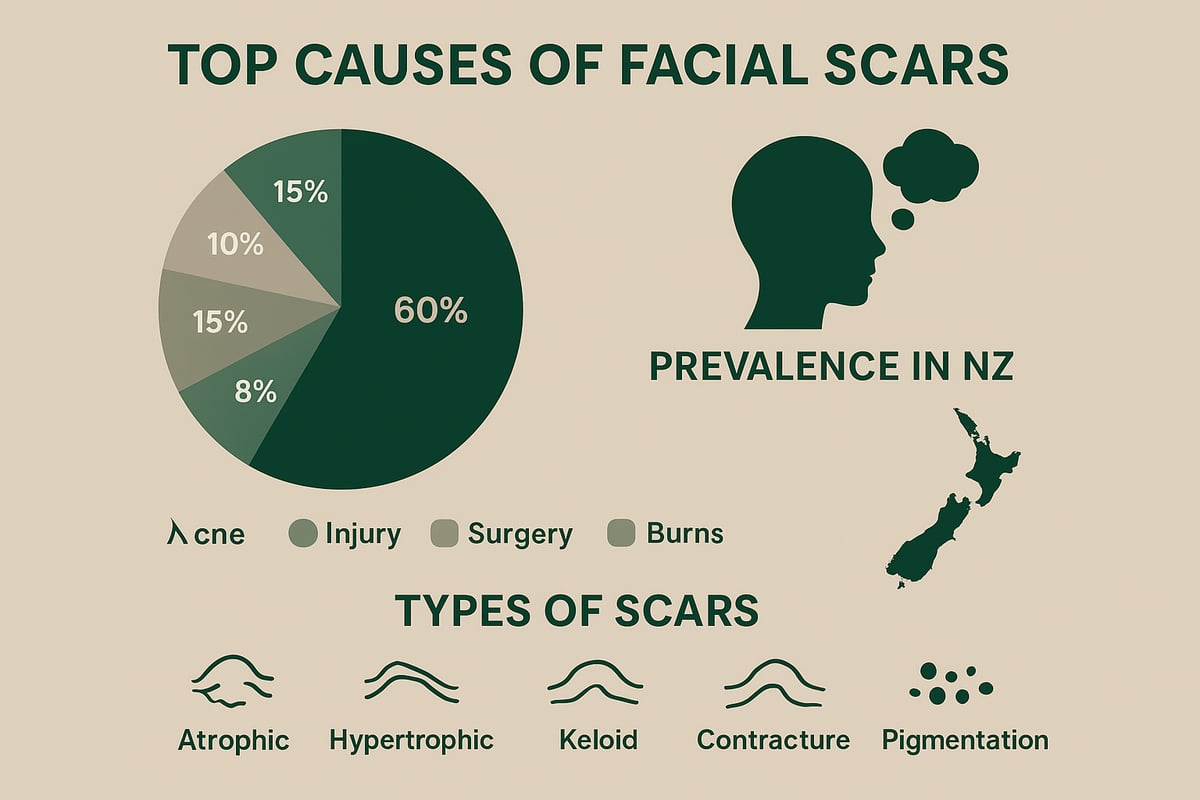
A scar on my face starts with the skin’s natural healing process. When the skin is injured—whether from acne, a cut, surgery, or a burn—the body rushes to repair the damage. Collagen, a vital protein, is quickly produced to close the wound, but this rapid repair can leave behind visible differences in texture or colour.
The most common causes are:
- Acne breakouts (up to 80% experience facial scars from acne)
- Accidents and injuries
- Surgical procedures
- Burns and skin conditions like chickenpox
There are several types of scars you might see:
- Atrophic scars: Depressed or pitted, often from acne.
- Hypertrophic scars: Raised but stay within the wound’s original borders.
- Keloid scars: Grow beyond the injury site, often more common in certain genetic backgrounds.
- Contracture scars: Tighten the skin, usually after burns.
- Pigmentation changes: Dark or light patches left after healing.
Age, genetics, and skin type all influence how a scar on my face develops. Younger skin heals faster but can scar more noticeably. Studies show that facial scars can deeply affect confidence and social life, sometimes leading to anxiety or isolation.
For more on how scars form and what causes them, see Causes and treatments for facial scars.
One real story comes from a New Zealand teen who struggled with post-acne scarring, feeling self-conscious at school but eventually finding support and new treatment options. In many cultures, facial scars can carry meaning—sometimes pride, sometimes stigma—shaping our self-image in unique ways.
Scar Assessment and Diagnosis
The journey to managing a scar on my face starts with the right diagnosis. Professional evaluation is crucial, as not all scars are the same and each needs a tailored approach.
Dermatologists use advanced tools to assess scars:
- Dermatoscopy: Magnifies the skin for detailed viewing.
- 3D imaging: Maps scar depth and texture for precise monitoring.
- Digital analysis: Tracks changes over time to measure treatment results.
The age and depth of a scar play a big role in choosing the best treatment. Fresh scars often respond better to early intervention, while older, deeply set scars may need more intensive care.
A typical dermatologist’s approach for a new scar on my face includes gentle observation at first, followed by a personalised plan that may involve topical treatments, laser therapy, or natural extracts depending on healing progress.
Understanding how scars are assessed helps you make informed decisions and sets realistic expectations for your skin’s future.
Modern Treatments for Facial Scars in 2025
Treating a scar on my face in 2025 is no longer a one-size-fits-all challenge. With cutting-edge science and a blend of natural wisdom, today’s treatments are more effective and accessible than ever. Whether you’re seeking rapid results or a gentle, holistic approach, let’s explore what works best for your skin and your confidence.
Medical and Cosmetic Procedures
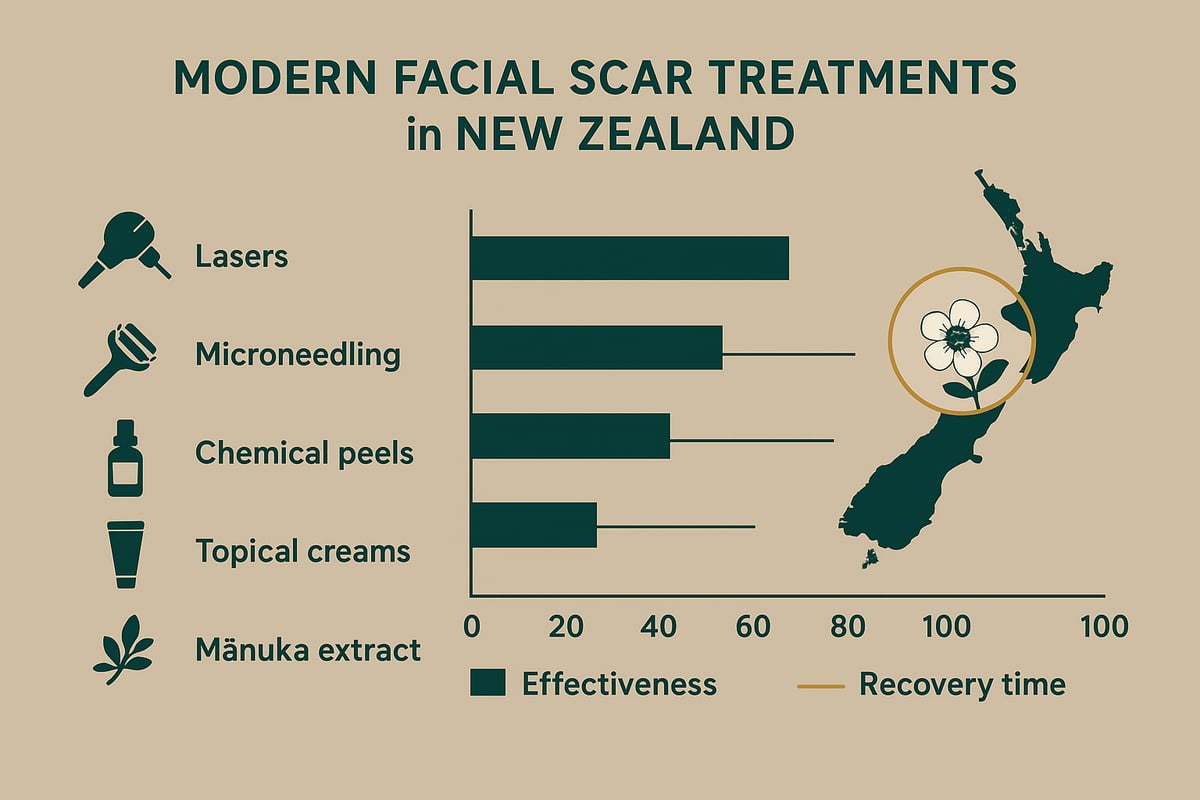
If you’ve ever thought, “What can actually help a scar on my face look less visible?”, medical technology in 2025 offers a range of answers. Laser therapy, including fractional and CO₂ lasers, remains a top choice for smoothing texture and reducing redness. Recent advancements make these lasers safer and suitable for more skin types. According to Scar Treatment Global Market Projections & New Treatment Innovations, laser sessions can reduce scar appearance by up to 80 percent with consistent treatments.
Microneedling is another rising star, using tiny needles to boost collagen and help skin renew itself. Chemical peels, from mild to deep, target pigmentation and refine texture, while injectable fillers temporarily fill in atrophic scars for a smoother look. For deeper or stubborn scars, surgical options like revision or grafting may be recommended. Most treatments involve minimal downtime, but side effects such as redness or swelling are common. In New Zealand, clinics often combine these methods for tailored results, as seen in recent before-and-after success stories.
Topical and Prescription Solutions
A scar on my face doesn’t always require high-tech procedures. Prescription creams like retinoids, silicone gels, and corticosteroids are widely used to soften, flatten, and fade scars. Over-the-counter products have also evolved, with 2025 formulas featuring advanced peptides, antioxidants, and gentle botanicals.
When choosing a topical solution, look for products specifically designed for scar repair. These often target both pigmentation and texture. While topical treatments are easy to use at home, their effects are generally gradual and most noticeable on newer scars. For best results, dermatologists often recommend combining prescription creams with other therapies, such as microneedling or laser, especially when treating a scar on my face with complex features.
Natural Remedies and Alternative Therapies
If you prefer a more natural approach for a scar on my face, evidence-based remedies can offer meaningful support. Oils like rosehip and vitamin E are popular, but research suggests their impact is modest and best suited for mild scars. Mānuka honey and extract, native to New Zealand, have gained global attention for their unique healing compounds, including methylglyoxal and powerful antioxidants.
Modern studies show Mānuka can help reduce inflammation, prevent infection, and encourage collagen production, making it a standout among natural options. Compared to conventional treatments, Mānuka extract is gentle and suitable for sensitive skin, which is especially important if the scar on my face reacts to synthetic ingredients. Many Kiwis have found comfort and visible improvement with regular use, blending traditional wisdom with today’s scientific backing.
The Role of Mānuka Extract in Scar Healing
If you have ever thought, “What can help with the scar on my face?” you are not alone. For many Kiwis, finding a natural yet effective remedy is a top priority. Mānuka extract, straight from New Zealand’s wild landscapes, is now in the spotlight for its unique power to support scar healing and restore confidence.
What Makes Mānuka Unique?
Mānuka is a native New Zealand plant, cherished for centuries in Māori tradition for its healing properties. Its flowers and leaves are harvested to create potent extracts rich in beneficial compounds.
The main bioactive found in Mānuka is methylglyoxal (MGO), a powerful antibacterial agent. Alongside MGO, leptosperin and other antioxidants help protect and repair skin. These unique elements set Mānuka apart from standard honey or botanical extracts.
Modern research confirms what tradition already knew. Studies show that Mānuka extract can support wound healing, reduce bacteria, and calm inflammation. When it comes to managing a scar on my face, these properties make Mānuka a standout choice.
Table: Key Compounds in Mānuka Extract
| Compound | Benefit for Scars |
|---|---|
| MGO | Fights bacteria, prevents infection |
| Leptosperin | Antioxidant, calms irritation |
| Polyphenols | Boosts regeneration |
How Mānuka Extract Supports Scar Recovery
So, how does Mānuka work on that stubborn scar on my face? The answer lies in its multi-action approach. First, Mānuka extract stimulates collagen production, which helps fill in and smooth scar tissue. Its anti-inflammatory action reduces redness and swelling, making scars less noticeable.
Clinical studies in New Zealand have shown that Mānuka can speed up healing and improve scar texture. People often report softer, flatter scars and less pigmentation. Unlike some natural oils, Mānuka also helps protect against infection, an important factor for new scars.
Kiwis share inspiring stories of transformation, from teens overcoming post-acne marks to adults seeing visible fading of surgical scars. Compared to other natural remedies, Mānuka stands out for its scientific backing and gentle effectiveness, especially for sensitive skin types.
Waipu Extracts: New Zealand’s Full-Spectrum Mānuka Solution
Waipu Extracts brings the full power of Mānuka to your skincare routine. Using a proprietary extraction process, they capture the complete range of active compounds for maximum benefit. Their lineup includes Full Spectrum Mānuka Extract, the innovative Hyper Blend, and the Skin Rescue Balm, all designed for gentle yet effective scar care.
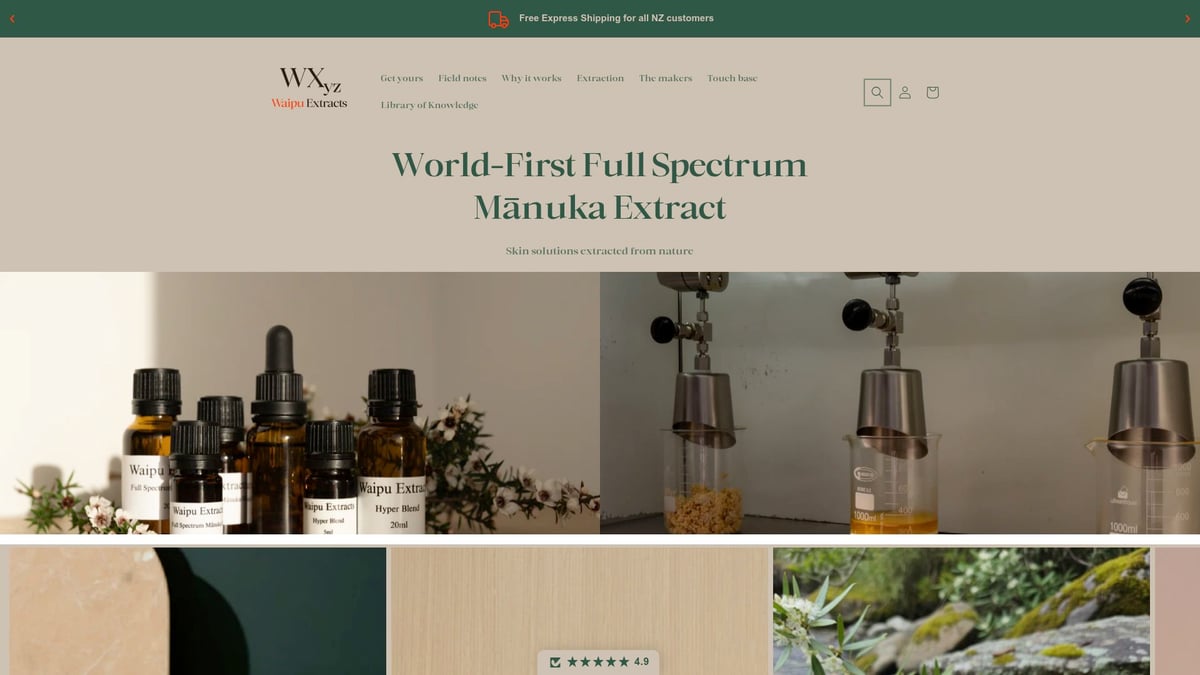
Every product is formulated without steroids and is suitable even for children or those with sensitive skin. Customers across New Zealand praise these solutions for reducing the appearance of the scar on my face and improving overall skin health. Fast local shipping and a commitment to sustainable sourcing add extra peace of mind.
To dive deeper into how Mānuka can help with facial scars, explore the Benefits of Mānuka for skin healing for more science and real experiences.
Daily Skincare and Lifestyle Strategies for Scar Management
Managing a scar on my face is more than just choosing the right cream, it’s about building habits that support healing, resilience, and confidence. From gentle cleansers to mindful nutrition, each choice shapes the journey. Let’s break down how you can care for your skin every day, drawing on both science and the wisdom of New Zealand’s natural ingredients like Mānuka extract.
Building a Scar-Friendly Skincare Routine
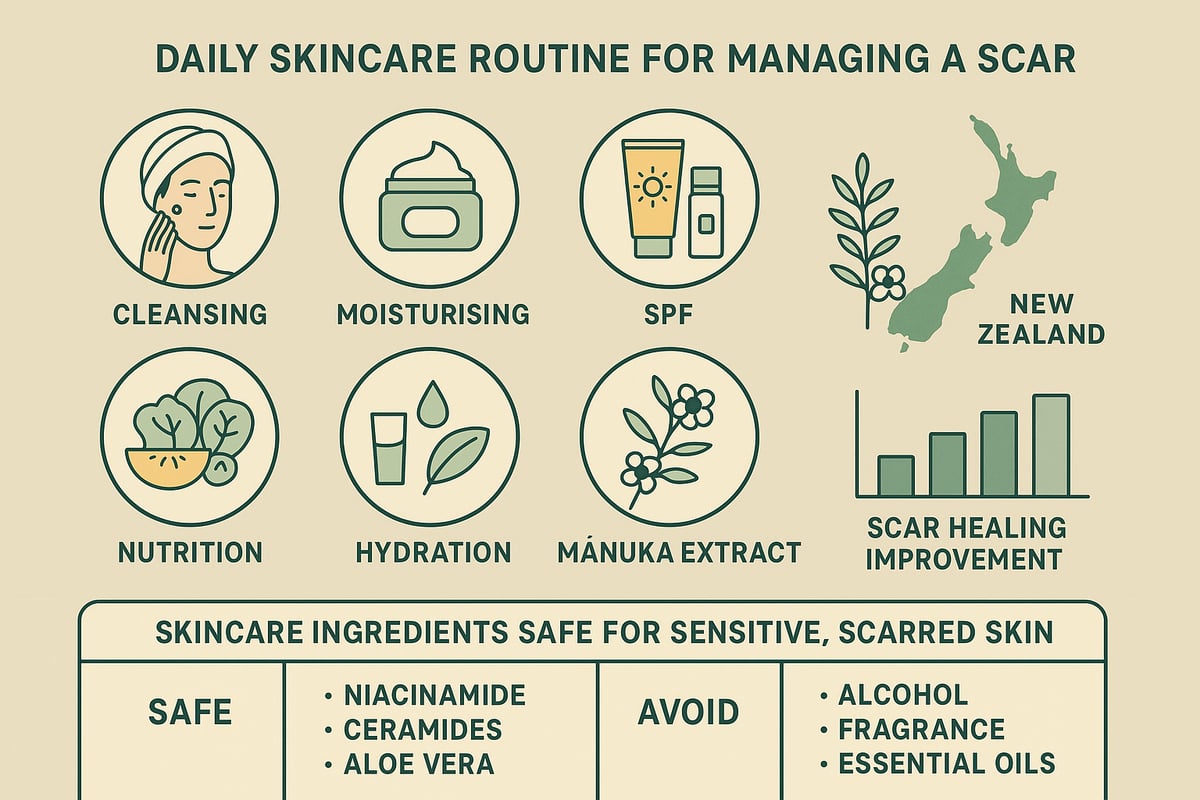
A gentle, consistent routine is the foundation for managing a scar on my face. Start with a mild cleanser that removes impurities without stripping natural oils. Follow with a hydrating, fragrance-free moisturiser to support the skin barrier and keep scars soft.
Sun protection is crucial. Daily use of a broad-spectrum SPF helps prevent pigmentation changes and supports fading of the scar on my face over time. Exfoliate gently—no more than once or twice a week—to encourage skin renewal, but avoid harsh scrubs or strong acids.
When choosing products, look for ingredients like hyaluronic acid, ceramides, and Mānuka extract, which soothe and repair. Avoid irritants such as synthetic fragrances or alcohol. For more detailed advice, see Building a scar-friendly skincare routine.
Consistency is key. Over time, these steps help reduce the visibility of scars and promote healthier, more resilient skin.
Nutrition and Lifestyle Factors
Supporting the healing of a scar on my face goes beyond what you put on your skin. Nutrition plays a vital role. Prioritise foods rich in vitamins A, C, E, zinc, and collagen—think leafy greens, berries, fish, and seeds.
Stay hydrated throughout the day, as water helps maintain skin elasticity and aids regeneration. Quality sleep is just as important, giving your skin time to repair. Managing stress also supports overall skin health, as chronic stress can slow healing.
Here’s a sample daily routine:
- Morning: Cleanse, moisturise, apply SPF.
- Lunch: Eat a colourful salad with seeds and lean protein.
- Afternoon: Drink water, take a short walk.
- Evening: Gentle cleanse, moisturise, apply a thin layer of Mānuka extract balm.
This holistic approach nurtures both your skin and your confidence.
Makeup and Camouflage Techniques
For many, makeup offers a way to boost confidence while managing a scar on my face. Choose lightweight, non-comedogenic products that won’t clog pores or irritate sensitive areas. A green-tinted primer can neutralise redness, while a creamy concealer provides targeted coverage.
Use a soft brush or sponge to blend products gently, building up coverage in thin layers. Mineral powders are a great option for a natural finish, especially when humidity is high.
Avoid makeup immediately after treatments or if your scar on my face is still healing, as this can cause irritation or delay recovery. Remember, makeup is a tool—use it when it feels right for you, knowing that true confidence starts from within.
Emotional Wellbeing and Social Confidence with a Facial Scar
Living with a scar on my face can touch every part of daily life, from how we see ourselves in the mirror to how we connect with others. Emotional wellbeing is just as important as physical healing, and finding support is key to building confidence and resilience.
The Psychological Impact of Facial Scarring
The moment I noticed a scar on my face, I realised how much it could influence my self-image. Studies show that facial scars can lower self-esteem and trigger social anxiety, especially among teens and young adults. In New Zealand, conversations around scarring are shifting, but many still feel pressure from social media and beauty standards.
People with facial scars often report feeling judged or misunderstood. This can lead to isolation or reluctance to participate in social activities. However, new research and changing attitudes in 2025 show a growing movement toward acceptance and understanding. Real stories, like one from a Kiwi teen who found support through online communities, remind us that no one is alone in this journey.
Building Confidence and Resilience
Managing the emotional side of a scar on my face starts with self-compassion and practical strategies. Many find relief through therapy, mindfulness, or joining support groups. Mindfulness helps you accept your appearance without judgement, while therapy can address anxiety or self-doubt.
Here are a few proven approaches:
- Practising daily affirmations and gratitude
- Connecting with others who share similar experiences
- Setting realistic expectations for scar improvement
Combining emotional support with holistic skin care can make a meaningful difference. For example, exploring advanced skin healing solutions can empower you to take control of your recovery and build confidence over time.
Advocacy and Awareness
Advocacy is transforming how we talk about a scar on my face in New Zealand. Local campaigns and influencers are working to challenge outdated beauty standards and promote scar positivity. Social media movements encourage people to share their stories, helping others feel seen and supported.
You can make a difference by joining these conversations, supporting scar-positive initiatives, or simply sharing your own journey. Every story helps raise awareness and foster acceptance. If you need extra support, New Zealand offers resources for mental health and community connection, making sure no one faces their scars alone.
The Future of Scar Treatment: Innovations and Trends for 2025
Imagine looking in the mirror and seeing your skin transform as science and nature join forces. The future of treating a scar on my face is not just hopeful, it is already unfolding. Let us explore the innovations changing the way we heal and care for facial scars in 2025.
Cutting-Edge Technologies
The next wave of scar care is powered by breakthrough technology. Regenerative medicine is leading the charge, with stem cell therapies and tissue engineering helping skin rebuild itself naturally. Imagine a future where 3D-printed skin grafts are tailored to your unique needs, reducing downtime and improving results for a scar on my face.
AI-driven diagnostics now allow dermatologists to assess scars with incredible precision. These tools create personalised treatment plans that adapt over time. New Zealand is making its mark with innovative research in skin regeneration and digital imaging.
According to Scar Treatment Market Size and YoY Growth Rate, 2025-2032, the global market for scar treatments is growing quickly, reflecting both new demand and exciting advancements. This means more options and better outcomes for anyone looking to improve their skin.
Emerging Ingredients and Formulations
Alongside high-tech solutions, the next generation of topical treatments is harnessing the power of nature and science. Peptides and growth factors are now formulated to signal skin repair, while advanced delivery systems ensure actives reach where they are needed most. Full-spectrum botanical extracts, especially from New Zealand’s native Mānuka plant, are gaining global attention.
Mānuka extract, rich in MGO and antioxidants, supports skin healing and reduces redness for anyone struggling with a scar on my face. New Zealand companies lead the way, blending traditional wisdom with modern extraction processes to create products that are gentle, effective, and suitable for sensitive skin.
Sustainability and ethical sourcing are priorities, giving you peace of mind as you care for your skin and the environment.
What to Expect Next
Looking ahead, the next five years promise even more personalised and effective solutions for a scar on my face. We anticipate smarter AI-powered apps for at-home scar monitoring, wider availability of regenerative therapies, and new blends of botanicals and bioactive ingredients.
Staying informed is easy, with resources like Scar Treatment Market Demand & Trends 2025 to 2035 offering insights into what is coming next. In New Zealand, access to innovative treatments and support is growing, making it simpler than ever to take control of your skin health.
The future is bright—your journey to confidence and clarity is supported by the best of science, nature, and compassionate care.
After exploring the science behind facial scars and the latest treatments for 2025, it’s clear that having the right support can make a real difference on your journey to healthier skin. If you’re curious about natural solutions that are actually backed by research, you might want to consider the unique benefits of full spectrum Mānuka extract. This isn’t just another trend—Waipu Extracts’ world first process keeps all the goodness of Mānuka intact, supporting real skin healing and confidence. Ready to take the next step in your routine Get Your Mānuka Extract Today.